

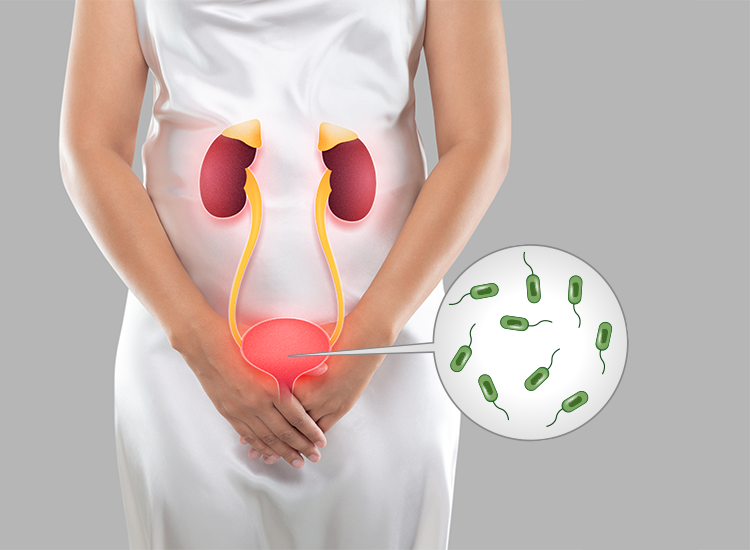
Urinary tract infections (UTIs) are among the most common bacterial infections globally and represent a significant public health burden in India. They affect individuals across all age groups, but their causes, frequency, and clinical implications vary widely depending on age, gender, and co-morbid conditions. In India, studies estimate that the prevalence of UTIs ranges from approximately 21.8 per cent to 31.3 per cent in studied populations, making them one of the leading reasons for outpatient consultations and antibiotic prescriptions.
The most common causative organism is Escherichia coli, responsible for nearly 70–90 per cent of uncomplicated infections. Other organisms include Klebsiella, Proteus, and Enterococcus species. The high burden in India is compounded by factors such as poor sanitation in certain regions, limited access to clean public toilets, increasing diabetes prevalence, and widespread antibiotic misuse.
Young women between the ages of 18 and 40 represent the most affected group. Data suggest that women account for approximately 60–70 per cent of all UTI cases in India. In some outpatient settings, female prevalence has been reported as high as 73.5 per cent, compared to 35 per cent in men. This increased susceptibility is primarily due to anatomical factors, such as a shorter urethra, which facilitates bacterial entry into the bladder. Lifestyle factors also contribute significantly, including inadequate hydration, delayed urination, and increased sexual activity. Urban Indian women, particularly working professionals, often report dehydration and irregular voiding habits, further increasing the risk.
In children, UTIs are less common but clinically important. By the age of seven, approximately 5 per cent of girls and 2 per cent of boys will have experienced at least one UTI. Paediatric UTIs often present with non-specific symptoms such as fever, irritability, or poor feeding, making diagnosis challenging. In some cases, underlying anatomical abnormalities such as vesico-ureteral reflux are present, necessitating further evaluation. Early detection is critical to prevent long-term renal damage.
Pregnancy represents another high-risk period. Studies in India report UTI prevalence ranging from 3 per cent to 24 per cent among pregnant women. Importantly, untreated asymptomatic bacteriuria progresses to pyelonephritis in approximately 20–30 per cent of cases. This has significant implications for maternal and foetal health, including risks of preterm labour and low birth weight, highlighting the importance of routine screening during antenatal care.
UTIs in men are relatively uncommon but often indicate underlying pathology. The incidence increases with age, particularly due to conditions such as benign prostatic hyperplasia, which can cause urinary obstruction. In diabetic populations in India, prevalence rates have been reported at 34.1 per cent in men and 47.9 per cent in women, demonstrating the strong association between metabolic disease and infection risk.
In the elderly population, the burden of UTIs rises significantly, particularly after the age of 50. Factors such as menopause, reduced oestrogen levels, diabetes, urinary retention, and catheter use contribute to increased susceptibility. Notably, symptoms in older adults may be atypical, with confusion, delirium, or falls being presenting features rather than classic urinary complaints.
A major concern in India is the rising rate of antibiotic resistance among uropathogens. Studies indicate that extended-spectrum beta-lactamase (ESBL)-producing organisms are present in 20 per cent to 71 per cent of cases. Resistance to commonly used antibiotics such as amoxicillin can be as high as 57 per cent. Additionally, approximately 22.3 per cent of patients experience recurrent UTIs, further complicating management. The widespread availability of over-the-counter antibiotics and inappropriate prescribing practices have significantly contributed to this challenge.
Management of UTIs typically involves short-course antibiotic therapy for uncomplicated cases, guided by local resistance patterns. Increased fluid intake and symptomatic relief measures, such as urinary alkalisers, are commonly used. However, given the rising resistance, culture-guided therapy is increasingly recommended, particularly in recurrent or complicated infections.
Prevention remains a critical component of UTI control in India. Adequate hydration, typically 2–3 litres per day unless medically contraindicated, has been shown to reduce recurrence rates. Good personal hygiene, timely voiding, and urination after sexual activity are simple but effective measures. In patients with recurrent infections, evaluation for underlying causes and appropriate medical interventions are essential. Effective diabetes control is particularly important, as hyperglycaemia significantly increases infection risk.
In conclusion, UTIs in India represent a common yet increasingly complex health issue. The combination of high prevalence, significant recurrence rates, and rising antimicrobial resistance underscores the need for improved awareness, preventive strategies, and rational antibiotic use. While most UTIs are easily treatable, their broader implications for public health demand sustained attention from both healthcare providers and the community.
(Dr Anish Desai is a healthcare entrepreneur. He is leading IntelliMed Healthcare Solutions)