


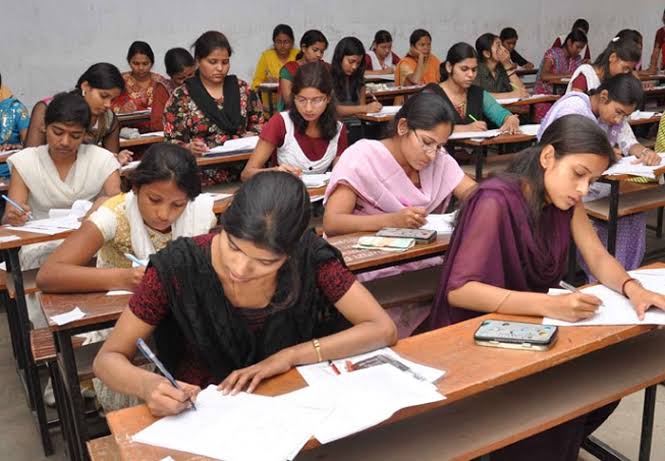
Every year, millions of students step into the fiercely competitive world of NEET and JEE, believing that one examination will determine the course of their lives. Particularly in the case of NEET, becoming a doctor is often viewed as far more than a career choice. For many Indian families, it represents prestige, financial security and the fulfilment of a lifelong dream. Parents spend their savings on coaching institutes, relocate to unfamiliar cities and reorganise family life around preparation, convinced that success in a single examination will secure the future.
As a clinical psychologist, however, I see another side of this aspiration. My consulting room is increasingly occupied by exhausted teenagers, emotionally drained parents and families struggling under the weight of expectations. The conversations are no longer only about marks or ranks. They are about panic attacks, sleepless nights, anxiety, depression, loss of confidence and an overwhelming fear of failure.
The scale of the competition partly explains this distress. More than 23 lakh candidates registered for NEET-UG 2024 for a limited number of MBBS seats. Even highly capable students may not secure admission. Such a mismatch between aspiration and opportunity inevitably creates emotional strain. According to the National Crime Records Bureau, more than 13,000 students died by suicide in 2022. While no single factor explains these tragedies, prolonged academic pressure, fear of failure, family expectations and emotional vulnerability frequently emerge as important contributors.
Our educational ecosystem is therefore doing much more than selecting future professionals. It is shaping how young people value themselves. Increasingly, many begin to equate self-worth with examination outcomes, a psychological shift that can have lasting consequences.
Recent controversies over paper leaks, changes in examination management and continuing debates over admissions have intensified this pressure. Whether these developments directly affect every candidate is almost secondary. What matters psychologically is perception. Once students begin to believe that external events matter more than effort, uncertainty itself becomes a powerful source of distress.
Psychologists describe this response as learned helplessness. When people repeatedly feel that outcomes lie beyond their control despite sustained effort, confidence declines, motivation weakens and concentration suffers. Students begin questioning not only the system but also their own ability to influence their future. It is hardly surprising that many feel frustrated, emotionally exhausted and unable to remain focused.
The pressure does not end when students leave the classroom or coaching centre. At home many carry another burden that is seldom discussed openly: social judgement. Questions such as ‘What will relatives say?’ or ‘How will we face our neighbours?’ quietly shape family conversations. The examination gradually stops being an academic challenge and becomes a verdict on personal worth.
Adolescence is a period when identity is still developing. Constant comparison with classmates, coaching peers and relatives can make an ordinary setback appear like permanent failure. Shame replaces curiosity, fear replaces motivation and self-doubt overshadows confidence.
In clinical practice this emotional burden appears in many forms: disturbed sleep, panic attacks, irritability, poor concentration, emotional withdrawal and persistent sadness. Some students isolate themselves because they believe every waking hour must be devoted to preparation. Ironically, severe anxiety often interferes with memory and concentration, creating a vicious cycle in which fear itself undermines performance.
Parents often notice declining marks before recognising declining mental health. Withdrawal from conversations, changes in appetite, hopelessness, frequent crying or inability to sleep should never be dismissed as laziness or lack of discipline. These may be signs of genuine psychological distress requiring timely professional support.
However, psychology also demands honesty. Not every struggling student is suffering from a psychiatric illness. One of the most important distinctions psychologists make is between genuine mental illness and avoidance behaviour. Anxiety disorders, depression and burnout are real conditions that deserve empathy and treatment. At the same time, some students unconsciously avoid confronting their fear of failure by immersing themselves in paper-leak discussions, endlessly watching motivational videos, doomscrolling on social media or constantly redesigning study schedules instead of studying.
These avoidance behaviours provide temporary emotional relief while leaving the underlying fear untouched. The longer they continue, the greater the anxiety becomes. Recognising this distinction is not about blaming students; it is about helping them understand what is preventing progress.
There is another uncomfortable reality. Not every student preparing for medicine has chosen that path because of genuine interest or aptitude. Many enter the science stream because of parental expectations, social prestige or peer influence. Sustaining motivation under those circumstances becomes extremely difficult. Success depends not only on intelligence but also on whether a student’s temperament and aspirations genuinely align with the demands of the profession.
Parents, too, carry enormous psychological pressure after investing emotionally and financially in their children’s preparation. Some hope therapy will quickly restore motivation and improve performance. Yet therapy cannot create ambition where none exists, nor can it transform borrowed dreams into personal ones. Sometimes what appears to be laziness is emotional exhaustion; at other times what appears to be anxiety conceals uncertainty about the chosen career.
Real healing begins with honest reflection rather than blame. Students must acknowledge their responsibilities, parents must recognise the weight of their expectations and both must accept that success cannot be built upon borrowed dreams alone.
The first step towards protecting mental health is separating achievement from identity. A rank may determine admission to a college, but it should never determine a person’s worth. Students should focus on what remains within their control: disciplined preparation, healthy sleep, regular physical activity, balanced nutrition and realistic goals. Maintaining friendships, family relationships and interests outside studies is not a distraction but a safeguard against burnout.
Parents can transform the emotional climate simply by changing the questions they ask. Instead of asking only how many hours a child studied, they should also ask how the child is coping. Listening without immediate criticism often reduces pressure far more effectively than repeated reminders about competition.
Finally, society must broaden its understanding of success. Medicine is a noble profession, but it is not the only path to a meaningful life. Every young person possesses unique strengths and potential. Competitive examinations will continue to demand commitment and resilience, but they should never become so overwhelming that a child begins to believe one result defines an entire life. Success in NEET or JEE may open a door, but no rank sheet can measure courage, compassion, character or the ability to build a meaningful future.
(Gargi Dutta is an experienced consultant psychologist at “Mind Clinic”, West Bengal. She is also a lecturer of psychology)
