

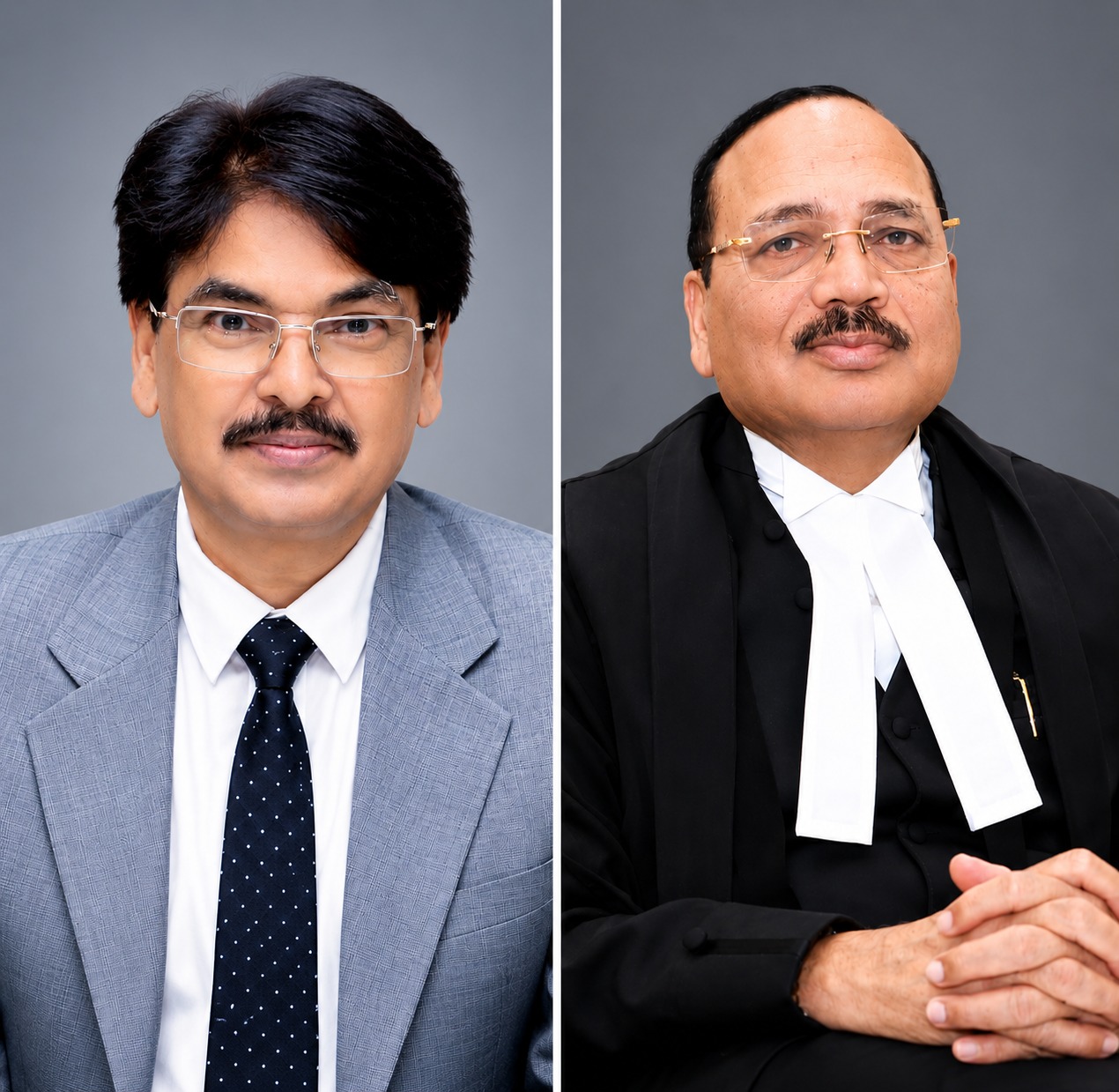
The Bar Council of India (BCI) has withdrawn its decision to halt the advocate enrolment of NALSAR University of Law’s 2026 graduating batch, just hours after issuing the controversial direction.
The action followed a campaign by a section of NALSAR students opposing the invitation of Chief Justice of India Surya Kant as the Chief Guest at the university’s convocation.
BCI Chairman Manan Kumar Mishra, who is also a BJP Rajya Sabha MP, had initially directed State Bar Councils not to enrol any student graduating from NALSAR in 2026 as an advocate until further orders.
The BCI had also sought details from the university about the students who organised or coordinated the campaign against the CJI’s participation in the convocation.
The decision immediately drew criticism from sections of the legal community. Supreme Court Bar Association President Vikas Singh questioned the decision to put the professional enrolment of an entire graduating batch on hold, calling the move arbitrary and disproportionate while making it clear that he did not support the students’ protest.
BCI Withdraws Advocate Enrolment Ban
Facing criticism, the BCI reversed its initial decision and allowed NALSAR’s 2026 graduates to proceed with enrolment before the State Bar Councils.
Manan Kumar Mishra said the Council had taken into account the fact that the overwhelming majority of students had no role in any alleged attempt to show disrespect to the highest judicial office.
The BCI subsequently closed the proceedings against the entire 2026 batch, effectively ending the immediate threat to the graduates’ advocate enrolment.
The earlier proposal to await a report from the NALSAR Vice-Chancellor and take a final decision on August 19 is therefore no longer applicable.
Supreme Court Questions BCI Action Against NALSAR Students
The controversy subsequently reached the Supreme Court.
During the hearing on August 14, a Bench headed by CJI Surya Kant questioned the BCI’s decision to intervene in the matter involving the NALSAR students.
The Court emphasised that students have the right to express their views and peacefully protest. It also questioned why the BCI had entered into an issue arising from the students’ objections to the CJI’s proposed participation in the university convocation.
The Supreme Court sought the BCI’s response and directed that punitive action against NALSAR students and faculty members in connection with the matter should not be taken in the meantime.
The intervention by the Supreme Court has added a significant dimension to the controversy, particularly on questions surrounding freedom of expression, the right to dissent and the regulatory powers of the BCI.
How Did the NALSAR Students’ Protest Begin?
The controversy began on August 10, when a group of NALSAR students asked the university to reconsider its decision to invite CJI Surya Kant as the Chief Guest for the convocation.
The students’ objection was linked to remarks made by CJI Surya Kant during a July 20 hearing concerning alleged police action against a student march towards Parliament.
During the proceedings, the petitioner had sought examination of video footage relating to the alleged police action. Reports stated that the CJI responded that he did not have time to watch the videos.
The students subsequently raised concerns over the remarks and questioned the decision to invite the CJI to their convocation.
NALSAR has traditionally invited the Chief Justice of India to its convocation ceremony. The dispute this year, however, turned the customary invitation into a wider debate over dissent and institutional accountability.
BCI’s U-Turn Raises Questions
The rapid sequence of events—from halting the advocate enrolment of an entire graduating batch to withdrawing the decision within hours and subsequently closing the proceedings—has raised questions over the proportionality and legal basis of the BCI’s initial action.
The controversy has also brought renewed attention to the limits of regulatory authority exercised by professional bodies when law students engage in peaceful dissent.
For NALSAR’s 2026 graduates, the immediate threat to their advocate enrolment has been removed after the BCI withdrew its action and closed the proceedings against the batch.
The Supreme Court proceedings, however, have kept the larger questions surrounding the BCI’s intervention alive.
Key Fact: The BCI initially halted the advocate enrolment of NALSAR’s 2026 graduates after a section of students opposed the invitation of CJI Surya Kant to the university’s convocation. The Council withdrew the decision within hours and later closed proceedings against the entire batch. The Supreme Court subsequently questioned the BCI’s intervention and examined the students’ right to protest.