

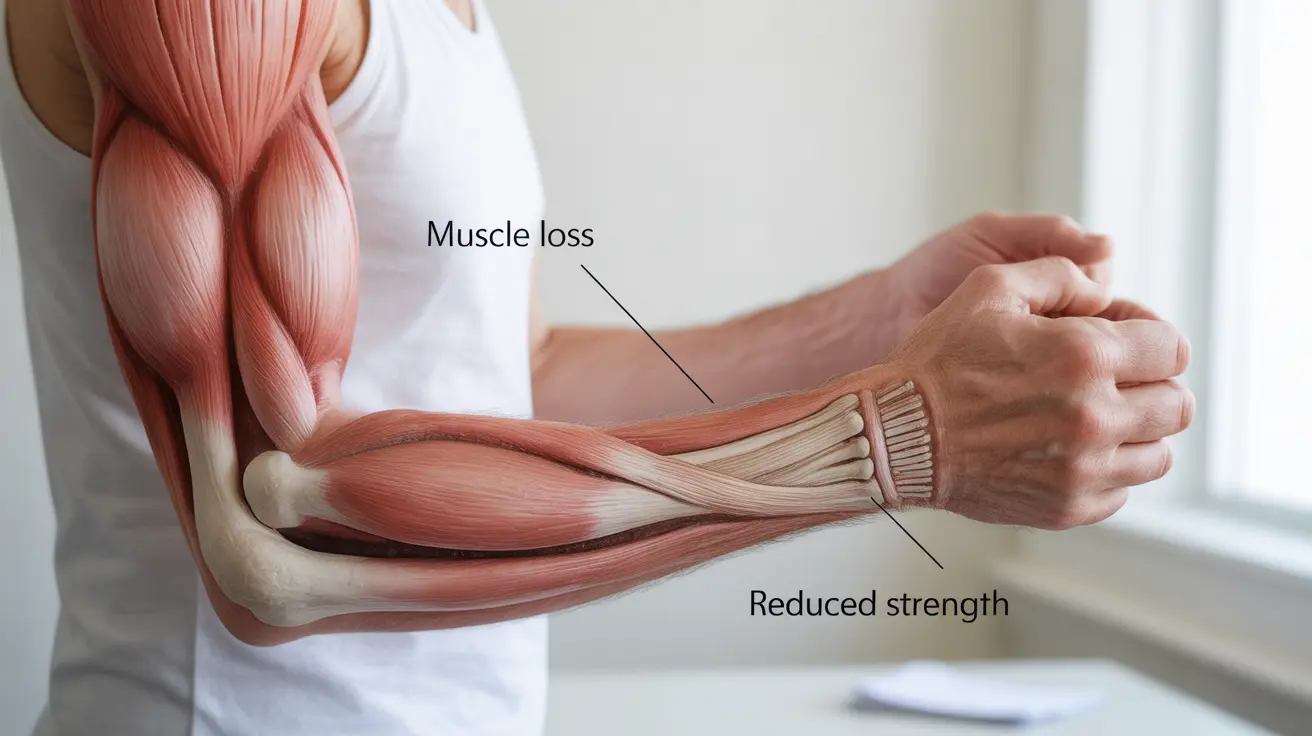
Rajesh, a 56-year-old office professional, had always considered himself reasonably fit. He walked daily, rarely fell ill, and managed long work hours with ease. But over the past year, he had noticed subtle changes. Climbing stairs felt harder. Carrying grocery bags seemed unusually tiring. His once-firm grip had weakened. “Maybe I’m just getting older,” he thought.
When a minor slip left him with persistent knee pain and difficulty standing from a chair, his doctor explained something Rajesh had never heard of before – sarcopenia, a gradual loss of muscle mass and strength that often begins quietly in midlife and progresses with age.
Many people dismiss these early signs as normal ageing. In reality, sarcopenia is a recognised medical condition that affects mobility, bone health, balance, and overall quality of life.
What Is Sarcopenia?
Sarcopenia refers to the progressive loss of skeletal muscle mass, strength, and function, usually associated with ageing. Muscle tissue naturally declines after the age of 30, but the rate of loss accelerates after the age of 50.
Studies suggest that adults may lose between 3–8% of muscle mass per decade, and the rate increases further after the age of 60.
Muscles are not only important for movement. They also play critical roles in maintaining metabolism, supporting bones and joints, stabilising posture and balance, and preventing falls and fractures.
Why Does Muscle Loss Happen?
Sarcopenia usually develops due to several overlapping factors rather than a single cause.
Age-related Hormonal Changes: Levels of hormones such as testosterone, growth hormone, and oestrogen gradually decline with age. These hormones are important for maintaining muscle protein synthesis.
Reduced Physical Activity: Sedentary lifestyles accelerate muscle breakdown. Long hours of sitting, desk work, and minimal resistance activity reduce muscle stimulation.
Poor Protein Intake: Many adults, especially older individuals, consume insufficient dietary protein, which limits muscle repair and growth.
Chronic Illness: Conditions such as diabetes, chronic inflammation, kidney disease, and heart disease can promote muscle loss.
Inflammation and Oxidative Stress: Ageing is associated with low-grade inflammation that interferes with normal muscle regeneration.
Neuromuscular Changes: Loss of motor neurons with age reduces the brain’s ability to effectively activate muscle fibres.
Common Symptoms to Watch For
Typical signs include reduced muscle strength, difficulty climbing stairs, slower walking speed, trouble rising from a chair, poor balance, increased fatigue, and loss of muscle tone.
How Is Sarcopenia Diagnosed?
Doctors evaluate sarcopenia using a combination of muscle strength, muscle mass, and physical performance tests.
Grip Strength Test: A handheld device measures grip force, which reflects overall muscle strength.
Walking Speed: Walking speed over 4-6 metres can indicate functional muscle capacity.
Muscle Mass Measurement: Imaging methods help quantify muscle mass, including DEXA scans and bioelectrical impedance analysis.
How Muscle Loss Affects Bones and Joints
Muscles, bones, and joints function as a single mechanical unit. When muscle strength declines, the impact is widespread.
Bone Health: Muscles apply mechanical stress to bones during movement. This stimulation helps maintain bone density. With muscle loss, bone strength decreases, the risk of osteoporosis rises, and fracture risk increases.
Joint Stability: Strong muscles stabilise joints such as the knees, hips, and spine. When muscles weaken, joints become less supported, and joint pain or the progression of osteoarthritis may worsen.
Increased Fall Risk: Weak muscles reduce balance and reaction time. Falls become more common and more dangerous because bones may already be fragile.
Can Sarcopenia Be Prevented or Reversed?
The encouraging news is that muscle tissue remains adaptable even in older adults. Lifestyle changes can significantly improve muscle strength and function.
Strength Training: Resistance exercise, such as weight training, resistance bands, yoga, Pilates, and body-weight exercises can improve muscle mass and strength.
Adequate Protein Intake: Older adults should aim for about 1.0-1.2g of protein per kilogram of body weight daily. Good sources include lentils, eggs, dairy, soy, fish, lean meats, nuts, and seeds.
Vitamin D: Vitamin D deficiency affects muscle strength. Adequate sunlight exposure and supplementation may be necessary.
Balanced Nutrition: Omega-3 fatty acids, magnesium, B-vitamins, and antioxidants from fruits and vegetables support muscle health.
Regular Physical Activity: Daily walking, cycling, or swimming helps maintain endurance and coordination.
The Takeaway
Many people assume weakening muscles are simply a part of ageing. But sarcopenia is not inevitable. With early recognition, regular strength training, proper nutrition, and an active lifestyle, muscle health can be preserved well into older age.
Maintaining muscle is not only about strength. It also protects bones, stabilises joints, prevents falls, and helps preserve independence.
(Dr Anish Desai is a healthcare entrepreneur. He is leading IntelliMed Healthcare Solutions)