



A seven-year-old child in Lucknow develops a fever. His parents visit the neighbourhood pharmacy and purchase a three-day course of antibiotics without consulting a doctor. The fever subsides briefly, only to return a week later. This time, the child is admitted to a hospital with severe pneumonia. Laboratory tests reveal a resistant bacterial infection. The antibiotic that would once have cured him no longer works.
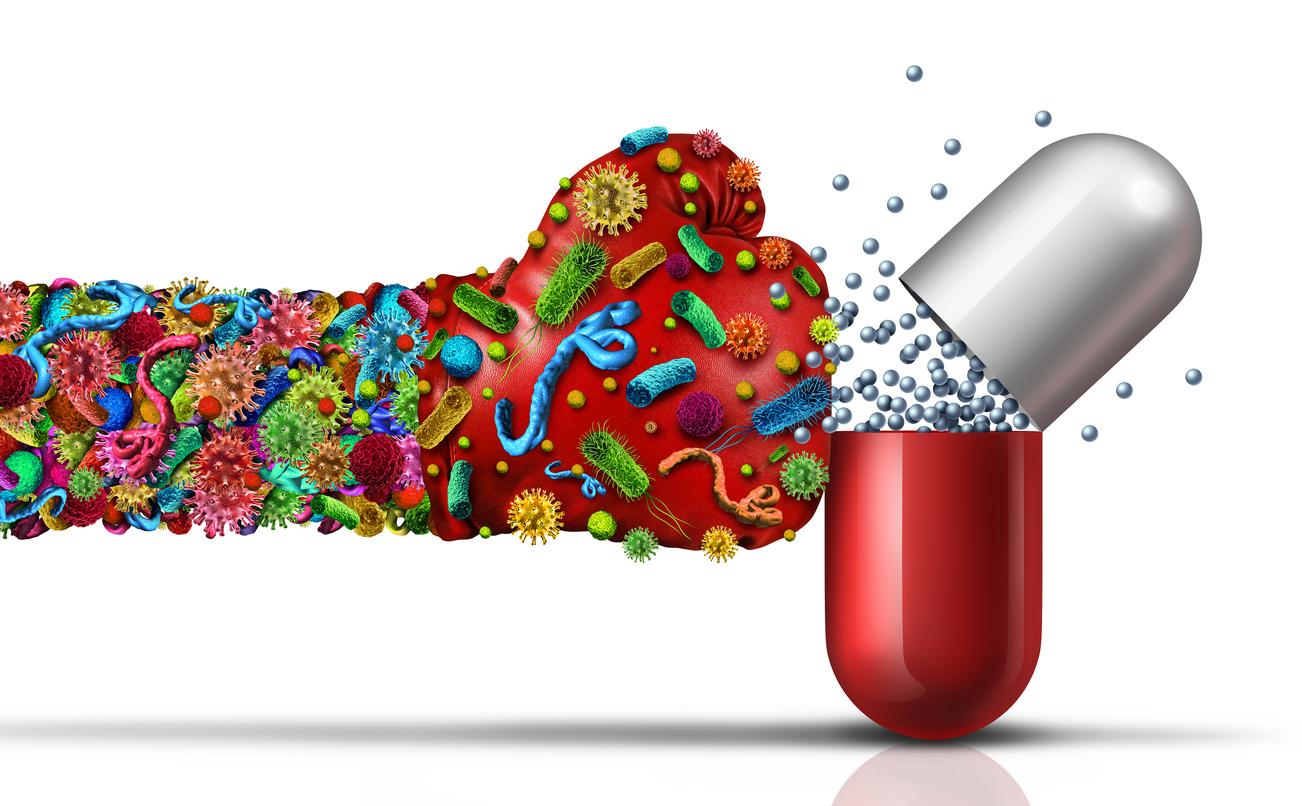
This is no longer an isolated story. It is becoming a defining challenge for India’s healthcare system. Antimicrobial resistance (AMR), particularly antibiotic resistance, has emerged as one of the greatest public health threats of the 21st century. The World Health Organization identifies AMR as one of the world’s leading public health threats, and India sits at the epicentre because of its high burden of infectious diseases, widespread antibiotic use, limited diagnostic capacity, and inconsistent regulatory enforcement.
India’s Antibiotic Paradox
Antibiotics transformed medicine by making previously fatal infections curable. Yet the very medicines that revolutionised healthcare are now losing their effectiveness.
Antimicrobial resistance occurs when bacteria evolve mechanisms that allow them to survive antibiotics. India is among the world’s largest consumers of antibiotics, and antibiotic consumption more than doubled between 2000 and 2015. ICMR surveillance continues to report high levels of resistance among organisms such as Escherichia coli, Klebsiella pneumoniae and Acinetobacter baumannii, including resistance to critical antibiotics such as carbapenems.
The OTC Culture: Convenience Over Caution
Despite Schedule H1 regulations, antibiotics continue to be purchased without prescriptions in many settings. Self-medication for fever, cough, sore throat and diarrhoea remains common. Patients frequently stop treatment once they feel better, save leftover tablets or share antibiotics with family members. These practices expose bacteria to inadequate antibiotic concentrations and accelerate resistance.
Demand also drives misuse. Patients often expect an antibiotic during every consultation, while busy clinicians, working with limited diagnostic support, may prescribe broad-spectrum antibiotics empirically. Convenience gradually replaces evidence-based prescribing.
Regulation Exists: Implementation Must Improve
India has introduced Schedule H1 restrictions, the Red Line campaign, the ICMR AMR Surveillance Network and the National Action Plan on AMR. However, enforcement remains inconsistent. Many hospitals still lack antimicrobial stewardship programmes, microbiology laboratories are unevenly distributed, and prescription audits are not universally implemented. Policy without implementation cannot meaningfully change antibiotic use.
AMR Is More Than a Hospital Problem
Antibiotics are widely used in livestock and agriculture, resistant organisms spread through poor sanitation, and pharmaceutical waste contaminates the environment. AMR is therefore a One Health issue involving human, animal and environmental health. Resistant infections prolong hospitalisation, increase healthcare costs, and threaten surgery, transplantation, intensive care and cancer treatment. India also bears a substantial burden of neonatal deaths attributable to resistant bacterial sepsis.
What Must Change?
India needs stronger enforcement of prescription-only antibiotic sales, digital prescription verification, mandatory antimicrobial stewardship across hospitals, expanded microbiology and rapid diagnostic capacity, improved vaccination, sanitation and infection prevention, and tighter regulation of antibiotic use in agriculture. Public education must reinforce that antibiotics do not treat viral infections, should never be self-prescribed, and that prescribed courses should always be completed.
Future Depends on Today’s Decisions
Antibiotic resistance advances silently until common infections become difficult to treat. India has the scientific expertise and policy framework to address this crisis, but success depends on effective implementation, responsible prescribing, robust surveillance and informed citizens. Antibiotics remain one of medicine’s greatest discoveries. Preserving them is a shared responsibility. The most dangerous antibiotic is not the unavailable one, it is the one that no longer works.
(Dr Anish Desai is a healthcare entrepreneur. He is leading IntelliMed Healthcare Solutions)