






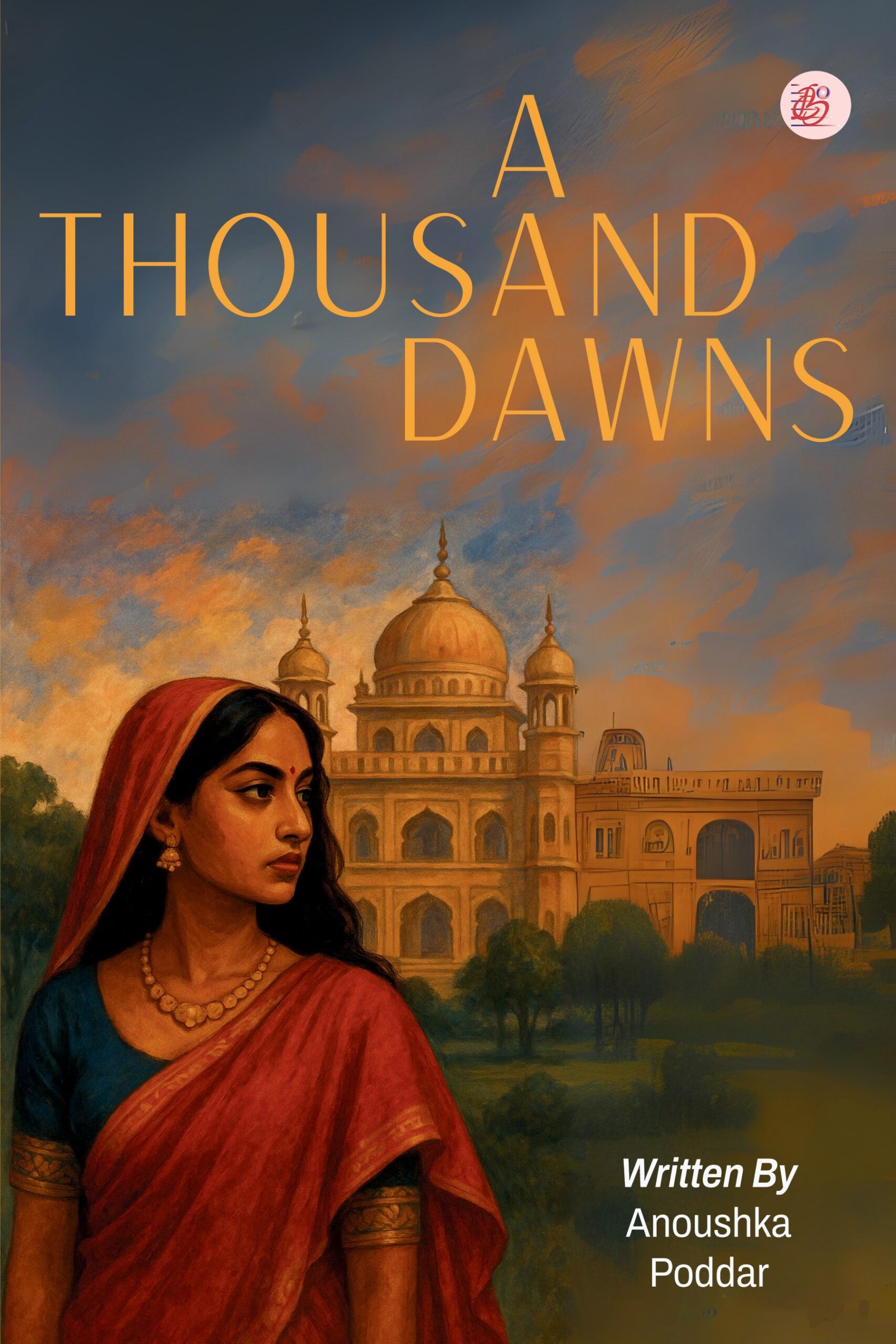
ABOUT THE BOOK
When Aarin enters the palace as a young bride, she believes she has found both power and sisterhood. But beneath the grandeur, jealousy simmers between her and Hemaprabha, the king’s first queen, turning friendship into rivalry and trust into betrayal.
Caught between them is Dalim, a son born of cunning and piety, torn between two mothers and destined to bear the cost of their conflict. Yet even tragedy cannot silence him. Beyond death, deception and grief, new bonds emerge, old wounds seek healing, and a long-awaited reckoning lies hidden within the palace walls.
In this bold feminist retelling of a Bengali folktale, women once pushed to the margins reclaim the narrative for themselves. Lyrical, haunting and unforgettable, this is a story of desire, envy, resilience and the power of women to rewrite their own fate.
EXCERPTS
Aarin was dreaming. She had to be.
She had to be floating in a sea of amnesia that no boat could ever carry her away from. Someone had to have drugged her or put poison into her food. Because she had seen her son die in front of her, in her arms, choking and gasping and staring at her with those big black eyes, begging, aching for some sort of relief.
The last thing they had ever done was argue.
That would be the only thing he would remember about her in the afterlife. Nothing more, nothing less.
He would not remember her gently rubbing healing ointment onto the cuts and bruises on his knees, or singing him to sleep with the very lullaby that her mother used to sing to her when she was little, or pressing a kiss to his forehead every single morning without fail.
All he would remember was the vengeful, revolting woman who had kept a secret from him so big that it cost him his life, who had loved the idea of him instead of the little boy fashioned from her very being.
Aarin shuddered at that thought as she buried herself beneath her covers even deeper. She had not bathed in days.
She had not eaten in days. She had not slept in days.
All that she could think about was her son, her little baby boy, lying cold and rigid and dead on the floor as she screamed over his body, ripping her throat to shreds. Only one thought had been consuming her, eating away at her very bones until she was a wraith, floating above everything, unfeeling, uncaring.
How had he died?
How could he have died so suddenly?
He had been healthy, exercising and eating well, and had only ever gotten sick a few times. It had taken her a second to understand what had happened, a second for the realisation to sink into her.
She had told him about the necklace, the fish.
But who had told him about his life being contained there? Who had poisoned his mind with those disgusting thoughts? Who had turned him against her?
And for the first time in days, Aarin got out of her bed. She stared around, surveying her little abode.
There were no candles lighting the corners anymore, no little flashes of gold or jewellery, no gushing handmaidens combing her hair until it shone, no little murmurs of gossip or dainty laughter as they blushed over the newest stablehand.
There was nothing for her anymore except rage, except revenge.
To take back what was rightfully owed to her son.
To finally do something, she should have done the very second she had looked at his gummy smile and sparkling eyes that seemed to hold entire galaxies in them.
Fury coursed through her veins like fire, like the silvery drips of metal the blacksmiths poured into their moulds, like the melted, dewy black of Dalim’s eyes.
Revenge was all she wanted, all she had to live for.
And if that was the only way to not mourn him, to not believe that he was dead, to still hear his husky cackle from somewhere behind her, then so be it.
After all, hell hath no fury like a woman scorned.
Aarin had nothing left to lose anyways. Nothing to protect from Hemaprabha’s next blow.
So, she would fight, fight for her son and shield him like she should have all along. Perhaps this was how she could atone for her mistakes, how she could finally find peace. Aarin threw her head back and breathed in the cold night air, tear tracks drying on her face like scars. It smelt of dried flowers and musk and incense.
Perhaps then Dalim could finally forgive her, and she could forgive herself. She got up and walked out the door.
ABOUT THE AUTHOR
Anoushka Poddar is a 17-year-old author from India whose work reflects a deep passion for storytelling, culture and social issues. A four-time published writer, she explores themes of identity, heritage and representation through fiction that is both thoughtful and emotionally resonant.
Beyond literature, Anoushka is also drawn to filmmaking and documentary storytelling, with creative interests that extend to art, cultural preservation and social awareness. Through her work, she seeks to amplify overlooked voices and engage with stories that connect the personal with the larger social landscape.


