
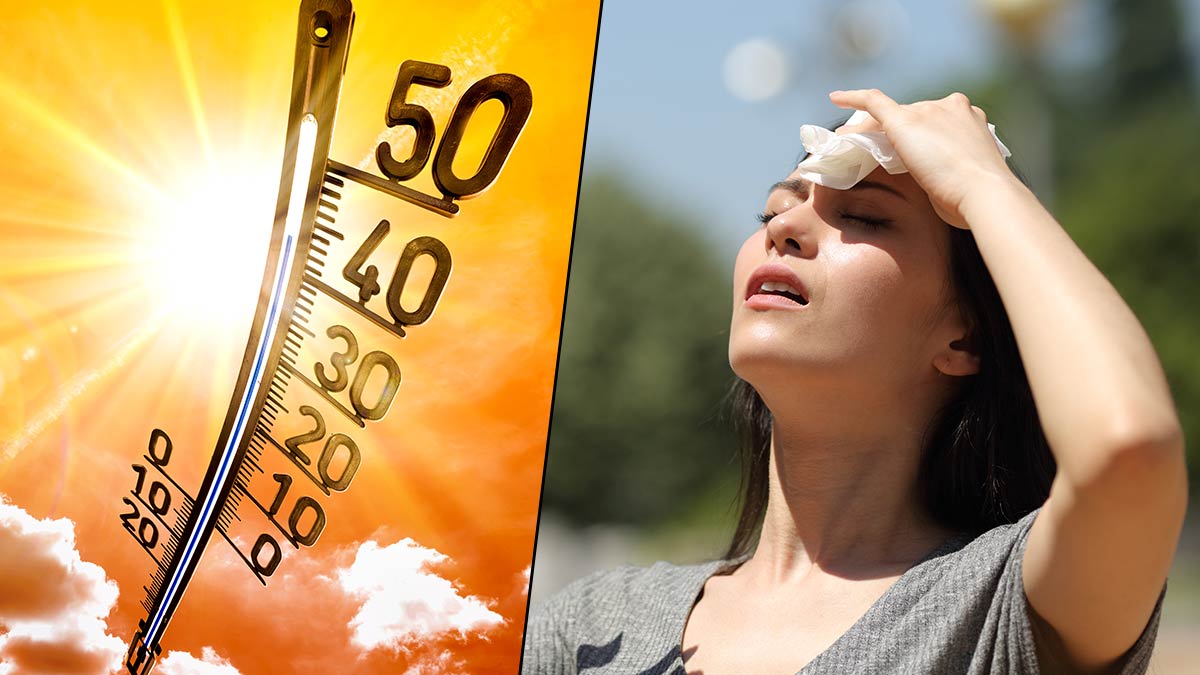
On a scorching afternoon in Vidarbha, 42-year-old Rajesh was making his final delivery of the day. The temperature had crossed 45°C. Like thousands of delivery workers across India, he ignored his headache and dizziness, believing them to be signs of ordinary fatigue. Two hours later, he collapsed unconscious. Doctors diagnosed him with severe heatstroke.
In Mumbai, 68-year-old Meena Devi never stepped outdoors. Yet after spending an entire day in a poorly ventilated apartment during a heatwave, she arrived at the emergency department confused and severely dehydrated.
Meanwhile, Rohan, a fit 19-year-old college cricketer, spent an entire weekend playing under the blazing sun. He developed severe muscle cramps and nausea before eventually fainting.
These are not isolated incidents. Variations of these stories are unfolding across India with increasing frequency as temperatures continue to climb.
India’s New Heat Reality
India is witnessing hotter summers, longer-lasting heatwaves and escalating health risks. Several regions routinely report temperatures above 40°C to 45°C. Climate scientists warn that extreme heat events are becoming more frequent due to climate change, urbanisation, shrinking green spaces and the urban heat island effect.
Unlike floods, cyclones or other natural disasters, heatwaves often attract less public attention because their impact is largely invisible. Yet heat remains one of the deadliest weather-related hazards worldwide and contributes to thousands of hospitalisations every year.
How the Body Cools Itself
The human body normally maintains a temperature of around 37°C. When environmental temperatures rise, the body attempts to cool itself through sweating and increased blood flow to the skin.
During prolonged heat exposure, excessive sweating causes the loss of water and vital electrolytes such as sodium and potassium. At the same time, the heart must work harder to maintain circulation. If these fluid losses are not adequately replaced, the body’s natural cooling mechanisms begin to fail, leading to a range of potentially serious heat-related illnesses.
Spectrum of Heat-Related Diseases
Heat Rash: Blocked sweat glands can cause itchy, red skin rashes, particularly among children and individuals working in hot and humid conditions.
Heat Oedema: It causes swelling of the hands, feet and ankles due to fluid accumulation in the body’s tissues.
Heat Cramps: These painful muscle spasms occur because of the loss of water and electrolytes. They are particularly common among athletes, construction workers and outdoor labourers.
Heat Syncope: Heat syncope refers to a temporary loss of consciousness or fainting caused by reduced blood flow to the brain.
Dehydration: The most common heat-related condition, dehydration can cause excessive thirst, fatigue, dizziness, headaches, dry mouth and dark-coloured urine.
Heat Exhaustion: Symptoms typically include heavy sweating, weakness, nausea, a rapid heartbeat, dizziness and fainting.
Heatstroke: This is the most severe form of heat-related illness, which is a medical emergency. Body temperature rises above 40°C, potentially resulting in organ failure and death.
Heatstroke occurs when the body’s temperature-regulation system fails. Warning signs include confusion, disorientation, seizures, loss of consciousness and hot skin.Without rapid cooling and emergency medical treatment, heatstroke can damage the brain, kidneys, liver, lungs and heart. Mortality rates can be significant when treatment is delayed, making immediate intervention critical.
Hidden Organ Damage Caused by Heat
Extreme heat does not merely cause dehydration. It can affect nearly every major organ system in the body.
Cardiovascular Disease: Heat places additional strain on the heart and blood vessels, increasing the risk of heart attacks, cardiac arrhythmias and worsening heart failure.
Kidney Injury: Persistent dehydration reduces blood flow to the kidneys and may lead to acute kidney injury or accelerate existing chronic kidney disease.
Respiratory Disease: Heatwaves often coincide with increased air pollution and higher ozone levels, aggravating asthma and chronic obstructive pulmonary disease (COPD).
Diabetes Complications: High temperatures can increase the risk of dehydration and make blood sugar control more difficult for people living with diabetes.
Mental Health Effects: Research has linked extreme heat to sleep disturbances, irritability, anxiety, reduced concentration and impaired decision-making.
Who Is Most Vulnerable?
Certain groups face a significantly higher risk of developing heat-related illnesses:
• Adults aged over 65 years
• Infants and young children
• Pregnant women
• Outdoor workers
• Farmers
• Construction workers
• Delivery personnel
• Traffic police personnel
• Athletes
• Individuals living with diabetes, heart disease or kidney disease
Many people in these categories spend prolonged periods outdoors and often have limited access to cooling facilities or adequate hydration.
Warning Signs That Require Immediate Medical Attention
Seek urgent medical care if a person develops:
• Confusion or altered behaviour
• High fever
• Loss of consciousness
• Seizures
• Persistent vomiting
• Severe dehydration
• Chest pain
• Difficulty breathing
These symptoms may indicate severe heat illness or life-threatening heatstroke.
Ten Practical Ways to Beat the Heat
- Drink water regularly, even before you feel thirsty.
- Avoid outdoor activities during the hottest afternoon hours.
- Wear loose-fitting, light-coloured cotton clothing.
- Use hats, umbrellas and sunscreen when outdoors.
- Take frequent breaks if working in the sun.
- Keep indoor spaces well ventilated.
- Eat fruits and vegetables with high water content.
- Avoid excessive consumption of alcohol and caffeinated beverages.
- Check regularly on elderly family members and neighbours.
- Learn to recognise the early symptoms of heat-related illness.
A Public Health Challenge That Cannot Be Ignored
Heatwaves are no longer rare seasonal events. They are emerging as a major public health challenge across India. Beyond dehydration and heatstroke, prolonged heat exposure can affect nearly every organ system and worsen existing medical conditions.
The encouraging reality is that most heat-related illnesses are preventable. Awareness, adequate hydration, early recognition of symptoms and timely medical attention can save lives.
As India faces a future of rising temperatures and increasingly frequent heatwaves, safeguarding vulnerable populations and improving public awareness of heat-related illnesses must become an urgent national health priority.
(Dr Anish Desai is a healthcare entrepreneur. He is leading IntelliMed Healthcare Solutions)