
Netanyahu Reiterates: ‘Iran Must Never Become a Nuclear Power’
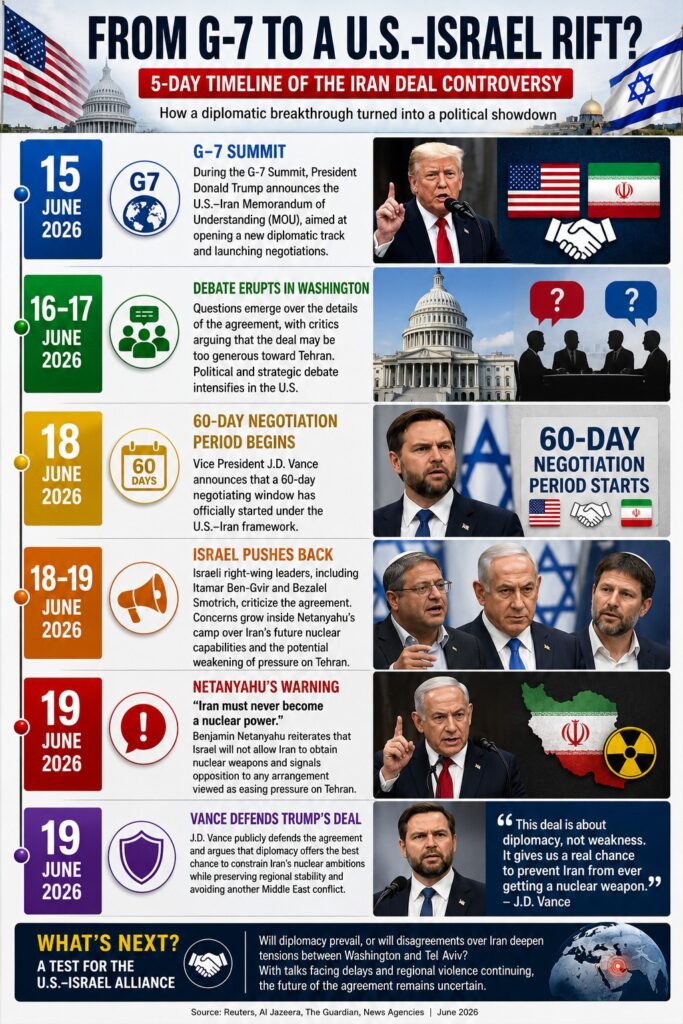
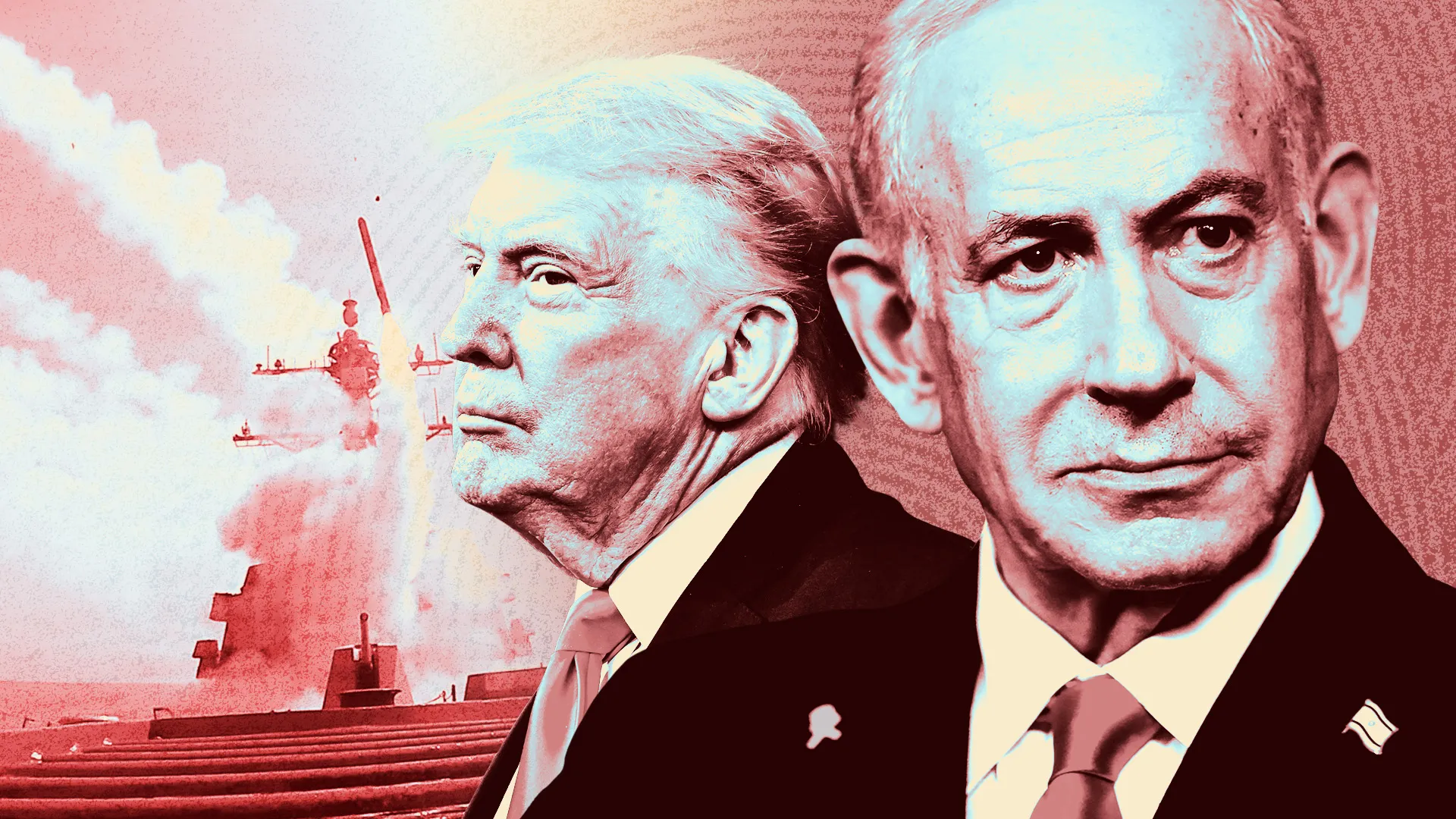
Washington/Tel Aviv: Emerging diplomatic efforts between the United States and Iran following discussions around the G-7 summit have triggered strong reactions from Israel, exposing growing differences between the two allies over how to deal with Tehran.
Israeli Prime Minister Benjamin Netanyahu has publicly reaffirmed that Iran must never be allowed to obtain nuclear weapons. In a video message released amid mounting domestic pressure, Netanyahu declared that as long as he remains Prime Minister, Israel will do everything necessary to prevent Iran from becoming a nuclear power.
The statement came as reports of renewed diplomatic engagement between Washington and Tehran fueled debate across the Middle East. While the US administration appears interested in keeping diplomatic channels open, Israeli leaders remain deeply sceptical of any arrangement that could ease pressure on Iran.
Israeli far-right cabinet ministers Itamar Ben-Gvir and Bezalel Smotrich sharply criticised the understanding with Tehran and called for continued aggressive action against both Iran and Hezbollah. Their comments reflect concerns within Israel that diplomacy could provide Tehran with strategic breathing room while leaving its nuclear ambitions intact.
Responding to questions about the controversy, US Vice President J D Vance strongly defended both President Donald Trump and the administration’s approach toward Iran. Vance argued that Trump has consistently demonstrated support for Israel and remains one of its strongest international allies.
Political observers view Vance’s remarks as an indirect message to Israel’s leadership. While Washington continues to emphasise diplomacy and regional stability, Israeli officials argue that security realities require a tougher approach.
The disagreement does not necessarily signal a breakdown in US-Israel relations. However, it highlights a growing strategic divide over Iran’s future and the best way to prevent Tehran from advancing its nuclear capabilities.
As tensions continue to shape Middle Eastern geopolitics, the Iran issue remains at the centre of global diplomatic calculations. The coming weeks may determine whether Washington and Tel Aviv can reconcile their differences or whether the dispute develops into a more visible policy clash between the two long-time allies.