


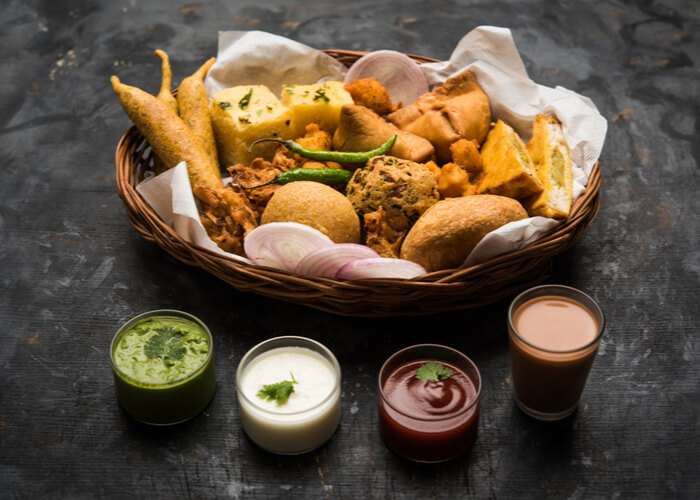
For many Indians, the arrival of the monsoon is inseparable from food. The first showers bring an irresistible craving for hot pakoras, samosas, bhajiyas and cups of steaming masala chai. Families head outdoors, children play in the rain, and roadside vendors do brisk business selling cut fruits, fresh juices and popular snacks.
Yet, this is also the season when doctors begin seeing a surge in patients complaining of stomach ailments. Cases of food poisoning, diarrhoea, viral gastroenteritis, acidity and dehydration rise sharply. Quite often, the culprit is not overeating or unhealthy food alone. Even foods generally regarded as wholesome can become unsafe if they are prepared, stored or consumed under unhygienic conditions.
Every monsoon, India witnesses a sharp rise in food- and water-borne illnesses. Typhoid, cholera, hepatitis A and E, gastroenteritis, leptospirosis and various parasitic infections become more common during this period. Poor dietary choices often increase the risk. Protecting oneself during the rains is not simply about avoiding street food; it is about making informed food choices and maintaining good hygiene.
Why Nutrition Matters in the Monsoon
High humidity and warm temperatures create favourable conditions for bacteria, viruses, fungi and parasites to multiply rapidly. Food deteriorates faster, drinking water is more susceptible to contamination, and digestive problems become more common. According to the Indian Council of Medical Research (ICMR) and the National Centre for Disease Control (NCDC), contaminated food, unsafe drinking water and poor kitchen hygiene account for a large proportion of seasonal gastrointestinal illnesses reported during the monsoon.
Common Nutrition Mistakes
Several everyday habits significantly increase the likelihood of falling ill during the rainy season:
• Assuming that food served hot is automatically safe. Even freshly cooked food can become contaminated if handled unhygienically.
• Eating raw salads without washing them thoroughly. Leafy vegetables often carry soil, microbes and pesticide residues.
• Drinking freshly prepared fruit juices from roadside stalls. Contaminated water, ice and unclean equipment can expose consumers to harmful pathogens.
• Drinking less water because the weather feels cooler. People sweat less during the monsoon but still require adequate hydration.
• Buying pre-cut fruits from roadside vendors. Once cut, fruits become highly vulnerable to bacterial contamination, especially when left uncovered.
• Depending too heavily on fried snacks. Pakoras and similar foods are enjoyable occasionally, but excessive consumption may worsen acidity and digestive discomfort.
• Ignoring protein-rich foods. A balanced intake of pulses, eggs, dairy products, fish or lean meat supports immunity and recovery from illness.
• Storing cooked food carelessly. Leaving food at room temperature for long periods encourages rapid bacterial growth.
Individually, these may appear to be minor lapses, but together they substantially increase the risk of food poisoning, gastrointestinal infections and poor nutritional status during the monsoon.
Foods Worth Including
Freshly cooked home-made meals remain the safest option during the rainy season. Whole grains, pulses, cooked vegetables, properly washed seasonal fruits, eggs, paneer, tofu, lean meats, soups and khichdi provide balanced nutrition without placing unnecessary stress on digestion.
Traditional Indian spices such as turmeric, ginger, garlic, cumin, black pepper and cinnamon also contain natural antioxidant and anti-inflammatory compounds. While they are not substitutes for medical treatment, they can be valuable components of a balanced diet.
Simple Precautions That Make a Difference
Food safety begins at home. Drink clean and safe water, wash hands before eating and while preparing food, clean fruits and vegetables thoroughly, refrigerate leftovers without delay, avoid uncovered food sold in the open, keep kitchen surfaces clean, and replace damp kitchen towels and cloths regularly, as they can harbour bacteria and fungi.
Conclusion
The monsoon brings welcome relief from the summer heat, but it also marks the peak season for many food- and water-borne illnesses. Staying healthy does not require expensive diets or exotic superfoods. It depends on everyday discipline, choosing freshly prepared food, maintaining kitchen hygiene, drinking safe water, eating a balanced diet and storing food properly. A few sensible precautions can help families enjoy the rains without making an avoidable visit to the doctor’s clinic.
(Dr Anish Desai is a healthcare entrepreneur. He is leading IntelliMed Healthcare Solutions)
