

By Pyali Chatterjee
By now, most of us are aware of the tragic case of Sonam Raghuvanshi. Many rightly focus on the gravity of the incident—but how many of us truly reflect on its root causes? Can such offences be prevented early, perhaps even within the confines of our homes? Do we fully grasp that the law alone cannot prevent such tragedies?
The Family: Root of the Problem or Pillar of Strength?
These issues originate within our most fundamental social institution: the family. It is within the four walls of our homes that values, behaviours, and attitudes are first shaped. Unless we address the gaps in family dynamics, emotional education, and accountability at the domestic level, legal solutions will continue to act as mere band-aids over festering wounds.
Understanding and addressing the root cause must begin at home. Family members are often the first to notice warning signs—and the first to take action. Tragically, these signs are usually ignored until it’s too late. We must confront the uncomfortable truth: the problem often starts within the family itself.
From Daughters to Sons: A Shift in Parental Anxiety
Once, Indian parents—especially of daughters—worried about how their girls would be treated after marriage. But the fear has now spread across gender lines. An increasing number of families with sons are anxious about the misuse of laws relating to domestic violence, dowry harassment, and even criminal conspiracies.
Today, the parents of grooms fear false allegations and legal traps that could lead not only to reputational ruin but also to devastating consequences.
Domestic Violence: A Changing Narrative
While laws have long existed to protect women in matrimonial settings, there is a growing, uncomfortable shift in the data: men are increasingly becoming victims of cruelty and abuse.
The stereotypical narrative of husband as aggressor and wife as victim no longer holds true in every case. A new and disturbing trend has emerged—of women subjecting their husbands to mental, emotional, and at times physical cruelty.
When Matrimony Turns Deadly
Beyond false allegations lies a darker trend—cases in which wives allegedly conspired to kill their husbands. Notable recent examples include:
- The suicide of a Bengaluru-based techie, allegedly following sustained harassment.
- The mysterious death of a Delhi businessman, suspected to be the result of domestic pressure.
- The infamous ‘drum murder’ case in Uttar Pradesh, where a husband’s body was found sealed in cement.
These are not isolated incidents. They signal a frightening pattern that the legal system is ill-equipped to handle.
The Face of Extreme Cruelty: Sonam Raghuvanshi
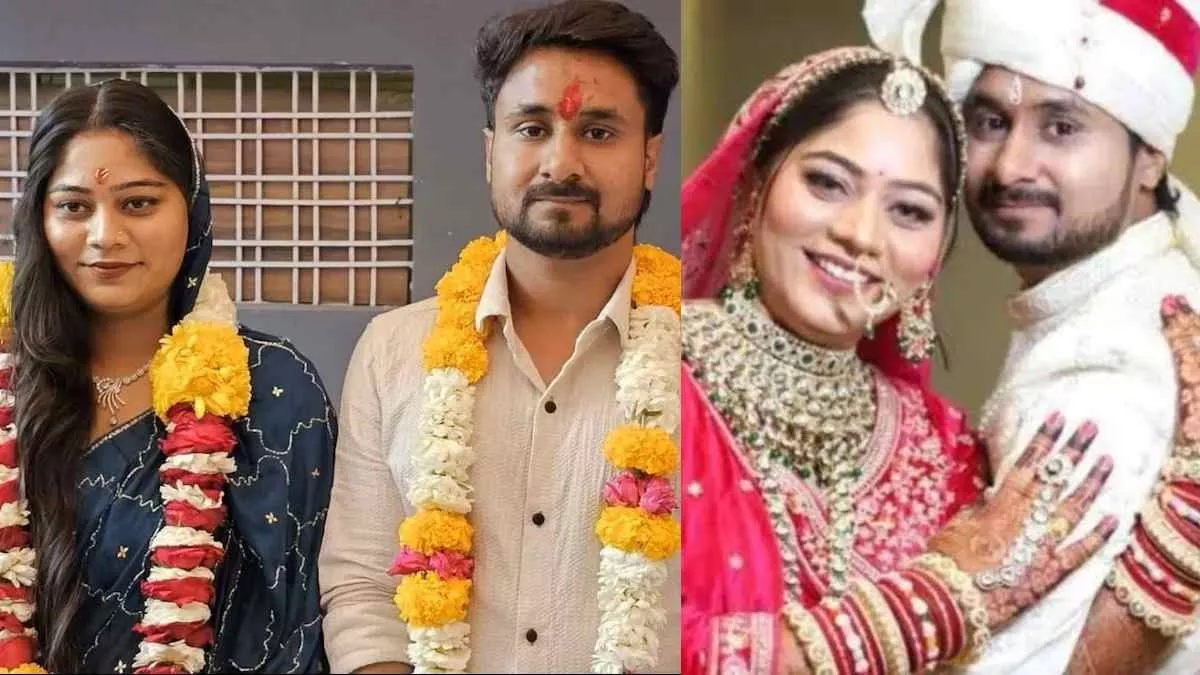
Perhaps the most shocking of all is the Sonam Raghuvanshi case, in which the wife is alleged to have conspired to murder her husband merely days after their wedding.
In another chilling case from Uttar Pradesh, a woman and her lover murdered her husband, chopped up the body, and sealed it in a cement drum. These are not just crimes—they are symptoms of a larger moral and social collapse in how we view marriage, loyalty, and family.
A Justice System Blind to Gender Neutrality
Despite such brutal incidents, India’s legal and judicial systems often cling to an outdated binary: men as aggressors, women as victims. This bias not only skews justice but also undermines the experiences of male victims.
Crime has no gender—neither does cruelty. Recognising this is essential for building a truly just legal framework.
Redefining the Institution of Marriage
What was once considered a sacred bond is increasingly being reduced to a transaction—or worse, a battlefield. The emotional and physical violence emerging from these unions is deeply corrosive.
Cases like Raghuvanshi’s don’t just destroy individuals. They break families, leave children orphaned, and erode faith in the institution of marriage itself.
We must ask: what makes a marriage healthy and safe? Consent may begin a marriage—but without emotional maturity, mutual respect, and trust, even consensual unions can become toxic.
Communication and Connection: The Missing Links
Open dialogue and emotional support within families are crucial. Parents must create safe, judgement-free environments where children—sons and daughters—can voice concerns about relationships and marriage.
But today, emotional disconnect is the norm. Families sit under one roof yet remain oceans apart—lost in phones, careers, and distractions. The price of this disconnection is rising mental stress, unreported abuse, and, at its worst, fatal decisions.
Forced Marriages: Still a Plague
One of the deepest roots of these tragedies lies in coerced marriages. Parents continue to pressure their children to marry for social standing, caste, or convenience, ignoring emotional compatibility.
The result? Marriages where resentment festers and escalates—sometimes into violence. Prioritising autonomy, emotional health, and compatibility must become non-negotiable.
Family: Your Shield or Your Strangulation?
These harrowing incidents raise a painful question: is the Indian family a sanctuary or a trap?
It can be either. But to make it a source of strength, we must change how we relate to each other. That begins with valuing emotional wellbeing, dialogue, empathy, and mutual respect over outdated ideas of honour, silence, and submission.
Prevention Begins at Home
The law can only punish—but by then, the damage is done. Real change lies in prevention. And prevention begins at home.
We must rebuild our families on the foundations of emotional intelligence, respect, and honest connection. Only then can we prevent more lives—more marriages—from ending in tragedy.
(The author is an associate professor of law at ICFAI University, Chhattisgarh)