


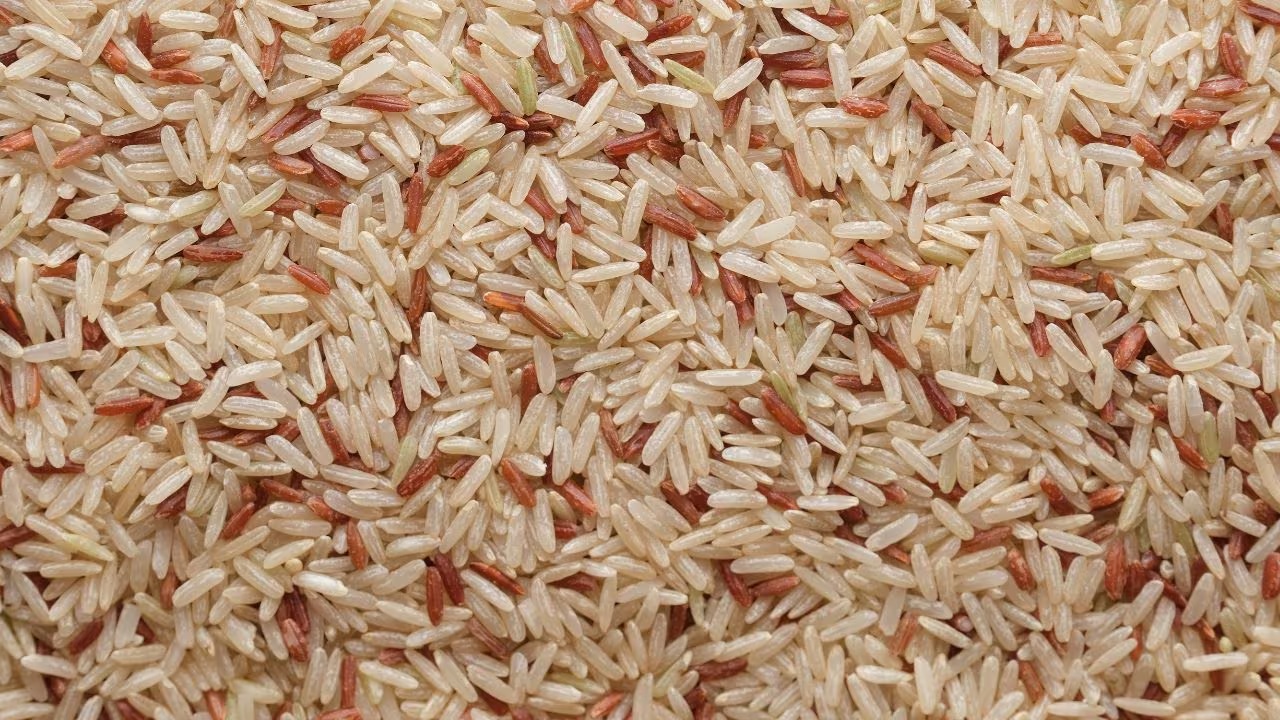
Breakthrough research identifies six pigmented rice varieties with antioxidant and anti-cancer properties, opening doors for functional foods to combat rising colorectal cancer rates in Asia.
Manila: Scientists at the International Rice Research Institute (IRRI) in the Philippines have identified six pigmented rice varieties with significant anti-cancer and antioxidant properties, offering hope for new health-focused food innovations. The findings, published on June 1, 2025, in the journal Food Hydrocolloids and Health, could play a key role in addressing the rising incidence of colorectal cancer in Asia.
Unveiling Nature’s Potential
The IRRI team analyzed 1.32 lakh rice accessions from across the globe, narrowing their focus to 800 pigmented rice varieties—known for their red, black, or purple hues due to high anthocyanin content. After extensive metabolite profiling and antioxidant testing, six varieties stood out for their potent properties. In vitro tests showed extracts from these rice lines effectively targeted colorectal and breast cancer cell lines, inhibiting cancer cell growth while leaving healthy cells unharmed. The study highlights the presence of bioactive compounds like flavonoids and phenolic acids, which contribute to these health benefits.
A Step Toward Functional Foods
Dr. Nese Sreenivasulu, Principal Scientist and Head of IRRI’s Consumer-driven Grain Quality and Nutrition Center, emphasized the significance of the discovery. “Our findings pave the way for developing functional foods and dietary supplements that could help combat chronic diseases like cancer,” he said. The six rice varieties exhibited up to 30% higher antioxidant activity compared to non-pigmented rice, making them a promising candidate for nutraceutical applications. IRRI is now pursuing the identification of specific genes responsible for these anti-cancer traits, aiming to breed new rice varieties with enhanced health benefits.
Addressing a Growing Health Crisis
The research is particularly timely as colorectal cancer cases surge in Asia, with India and China reporting a 20% increase in incidence over the past decade, according to the World Health Organization. Pigmented rice, a staple in many Asian diets, could offer a natural and accessible solution. A 2024 study by the Asian Pacific Journal of Cancer Prevention noted that diets rich in antioxidants may reduce colorectal cancer risk by up to 15%. IRRI’s work aligns with global efforts to integrate nutrition into agriculture, potentially benefiting millions of rice-dependent communities.
Future Prospects and Challenges
The next phase of IRRI’s research involves field trials to scale up production of these rice varieties and ensure their anti-cancer properties remain stable across different growing conditions. Dr. Sreenivasulu noted that collaboration with food industries could lead to fortified rice products within the next five years. However, challenges remain, including consumer acceptance of pigmented rice, which is less common than white rice, and the higher cost of cultivation. Despite this, the potential health impact makes this discovery a game-changer in the fight against cancer.
