


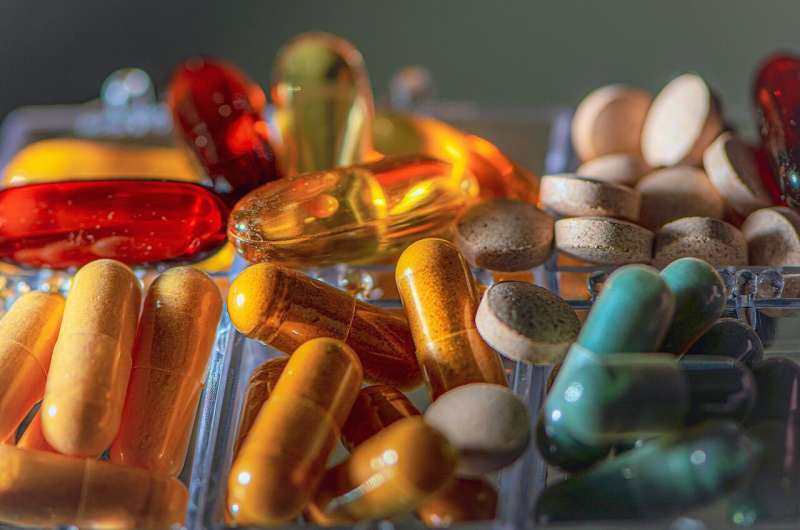
Every morning, millions of people begin their day with a ritual that has become almost automatic: a handful of supplements swallowed with hurried sips of water before rushing to work. Vitamin D for immunity. Magnesium for sleep. Iron for energy. Protein for muscle. Omega-3 for the heart. The wellness industry has trained people to ask one central question: What supplement should I take? But nutrition scientists are increasingly focusing on another question that may be just as important: When should I take it? Because in the human body, timing is not a minor detail. It can change how effectively a nutrient is absorbed, utilised and even tolerated.
Rahul, a 38-year-old corporate executive, believed he was doing everything correctly. His kitchen shelf looked like a miniature pharmacy. Multivitamins in the morning, iron with breakfast, omega-3 after coffee, magnesium during office hours, and protein late at night. Yet he remained tired, struggled with recovery after workouts, and often woke up feeling unrested. Only after consulting a nutrition specialist did he realise that his supplements were competing against his own biology.
The iron he took with breakfast was being blocked by tea and calcium-rich foods. Magnesium during the day made him sluggish. Protein immediately before sleep did little for muscle recovery because the timing and type were mismatched. Within weeks of restructuring his supplement schedule, he noticed sharper energy levels, better sleep and improved workout recovery. The change was not in the supplements themselves. It was in the clock.
Scientists now understand that the body does not function uniformly across the day. Hormones rise and fall in rhythms. Digestive enzymes fluctuate. Insulin sensitivity changes from morning to night. Even the gut microbiome behaves differently depending on time. This growing field, often linked with circadian medicine and chrononutrition, is reshaping how experts think about nutrients.
Some supplements are biologically suited for mornings. Others work better at night. B vitamins, for instance, help convert food into energy and support neurological function. Because they may enhance alertness and metabolism, they are generally better suited to the first half of the day.
Iron is another nutrient where timing can make a dramatic difference. It is best absorbed on an empty stomach and works particularly well when paired with Vitamin C. But common breakfast habits can sabotage absorption. Tea, coffee, milk and calcium supplements may significantly reduce the body’s ability to absorb iron.
Fat-soluble vitamins, including Vitamins D, A, E and K2, depend on dietary fat for proper absorption. Taking them with meals containing nuts, eggs, yoghurt, olive oil, or other healthy fats may improve their effectiveness substantially. The same principle applies to omega-3 fatty acids. Fish oil capsules consumed alongside meals are generally absorbed more efficiently and may offer stronger anti-inflammatory and cardiovascular benefits.
Why protein, rapidly absorbed by the body, is often consumed after workouts to support muscle protein synthesis. Casein protein, which digests slowly, is frequently taken before sleep to provide a steady release of amino acids overnight.
Creatine, among the most researched sports supplements, is commonly recommended after workouts, although researchers note that consistency matters more than perfect precision.
Then there are supplements linked to relaxation and recovery. Magnesium has become popular as a nighttime supplement because of its role in muscle relaxation and sleep quality. Ashwagandha, widely used for stress management, may help regulate cortisol and support evening calmness. Melatonin, which directly influences circadian rhythm, is naturally most effective before bedtime.
Even probiotics appear sensitive to timing. Some studies suggest that beneficial bacteria may survive stomach acid more effectively when taken before meals or with lighter meals, potentially improving gut colonisation.
Curcumin, the active compound in turmeric, presents another example of how timing and pairing matter. On its own, curcumin is poorly absorbed. But consuming it with fat-containing meals and piperine, found in black pepper, can dramatically increase bioavailability.
The emerging message from nutrition science is becoming increasingly clear: supplements do not operate in isolation. They interact continuously with food, hormones, digestion, sleep cycles and metabolism. Morning-focused nutrients may support energy, cognition and metabolic activity. Evening-focused nutrients may support recovery, repair and restorative sleep.
(Dr Anish Desai is a healthcare entrepreneur. He is leading IntelliMed Healthcare Solutions)
