


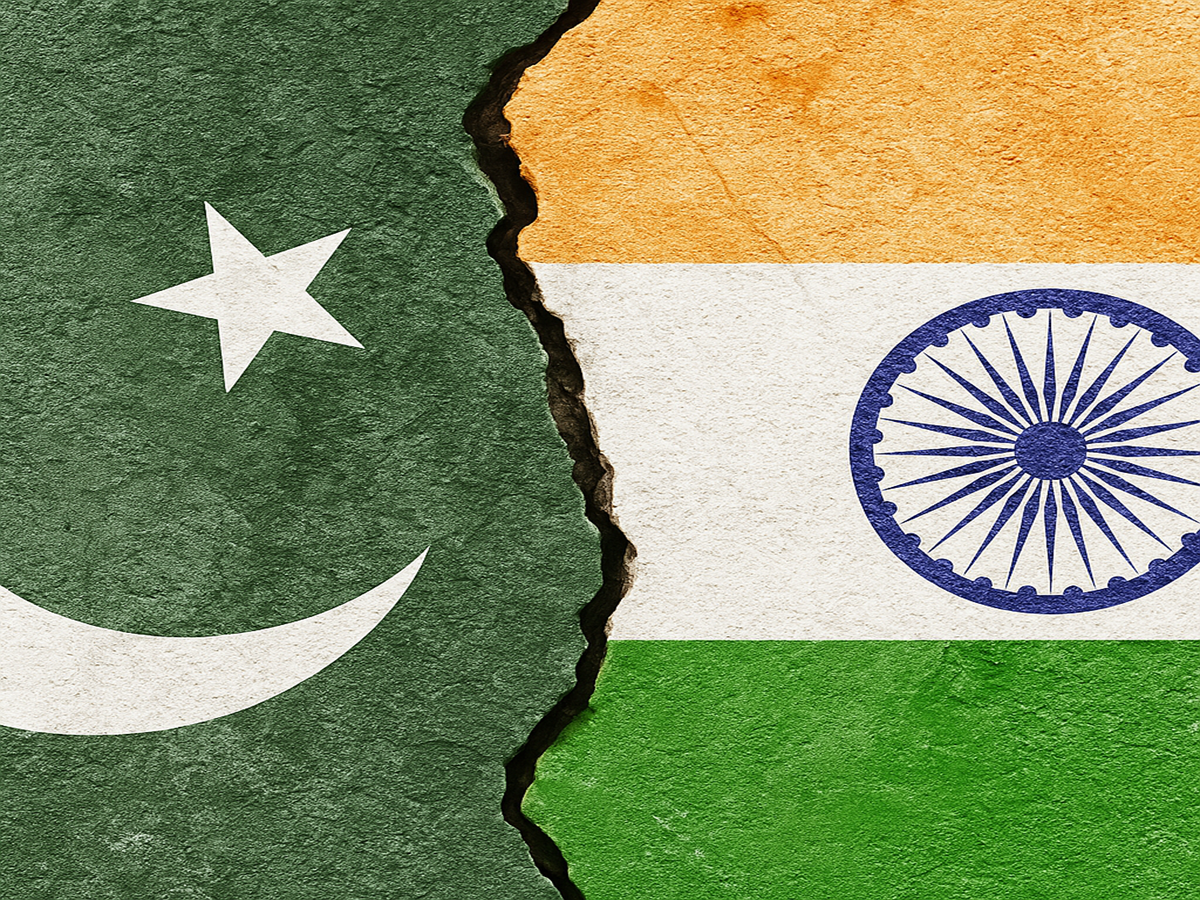
India’s layered response, from diplomacy to military drills, has upended old rules of engagement—leaving Pakistan unsure of what’s next.
By New Delhi Post Desk
New Delhi: The terrorist attack in Pahalgam on April 22, which claimed 26 lives, has dramatically altered the contours of India-Pakistan relations. In the aftermath, India has launched a comprehensive, multi-sectoral campaign—diplomatic, economic, military and strategic—designed to isolate Pakistan, raise costs for its alleged support to terror networks, and prepare for possible escalation without immediate provocation.
🛑 Indus Waters Treaty: From Cooperation to Calculated Pressure
India’s suspension of the Indus Waters Treaty (IWT) marks a landmark departure from over 60 years of cooperative water-sharing. The treaty, signed in 1960, had endured even through wars, but India has now paused data sharing and loosened usage restrictions on western rivers allocated to Pakistan.
This shift weaponizes water as leverage, especially significant given Pakistan’s heavy reliance on the Indus system for 80% of its agriculture and much of its hydropower. While current infrastructure limits immediate impact, the long-term strategic pressure is undeniable.
🌍 Diplomatic Offensive: Global Consensus, Local Purpose
India responded swiftly with a diplomatic blitzkrieg, contacting over 100 countries to expose the transnational roots of the Pahalgam attack. Prominent global leaders, including US President Trump, France’s Macron, UK PM Keir Starmer, and Japan’s Shigeru Ishiba, condemned the attack and backed India.
Meetings led by Foreign Secretary Vikram Misri and EAM S. Jaishankar focused on securing multilateral backing and shaping international opinion. Nations from the G7 to the Middle East rallied around India’s right to respond.
Iran even offered to mediate, while Israel’s Netanyahu emphasized joint anti-terrorism and trade goals under the India-Middle East-Europe Corridor.
✈️ Airspace Ban: Aviation as a Pressure Valve
India imposed a ban on Pakistani-linked aircraft from entering its airspace, effective until May 23, 2025. The move, declared via NOTAM, shuts Pakistan out of India’s Flight Information Regions—Delhi, Mumbai, Chennai, and Kolkata.
Though both countries face practical costs, Pakistan bears the brunt, especially with Pakistan International Airlines already in financial straits. This action sends a clear message of escalation management through strategic disruption, not just retaliation.
💰 Financial Pressure: FATF and IMF Under India’s Lens
India is pushing for Pakistan’s re-entry onto the FATF grey list and questioning IMF bailout disbursals worth $7 billion. India alleges that these funds aid activities linked to terrorism, violating IMF norms.
Support from 23 FATF members, including USA, UAE, France, Germany, gives India momentum. If successful, Pakistan could face reduced global financing access, throttling its already fragile economy.
This financial targeting represents a low-visibility yet high-impact approach, increasing pressure without triggering immediate conflict.
🛡️ Exercises & Readiness: Tri-Forces in Sync
India’s military response has been deliberate and visible. Key developments include:
- Exercise Aakraman by the Indian Air Force with Rafale & Su-30MKI jets, featuring precision missile strikes and electronic warfare.
- Indian Navy drills in the Arabian Sea, with live missile launches inside the Exclusive Economic Zone.
- Indian Army’s Exercise Sanyukt Abhyas with paramilitary forces focusing on joint combat preparedness.
The S-400 system, Meteor and Rampage missiles, and coastal vigilance operations point to full-spectrum readiness—not just to retaliate, but to deter.
Meanwhile, Pakistani ceasefire violations at the LoC continue for the 8th consecutive day, reflecting heightened uncertainty in Islamabad.
📈 Strategic Escalation Without Provocation
From diplomatic isolation and economic targeting to military drills and strategic treaty suspensions, India’s approach reflects a recalibrated national doctrine. It is neither reactionary nor purely punitive—it is calculated escalation designed to maximize pressure while avoiding war.
With international support robust and domestic preparedness visible, India’s message is clear: Terror will invite multi-dimensional pushback that is silent, swift and sustained.
