


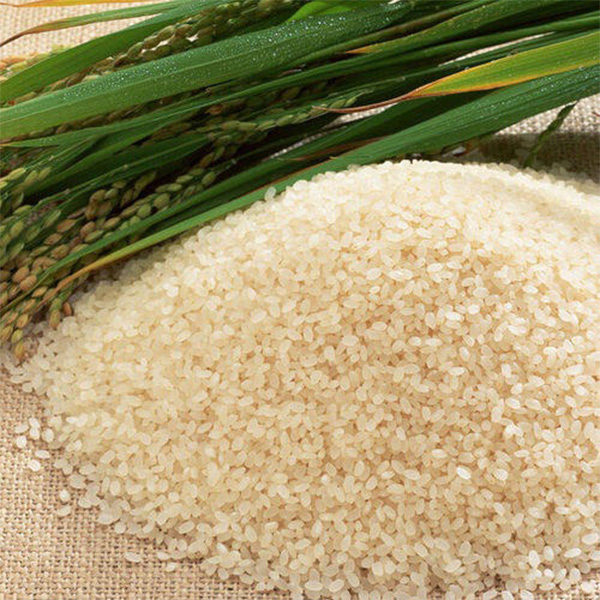
For many people from India’s northeastern state of Assam living abroad, the smell of Joha rice cooking in the kitchen is more than a meal. It is a memory of monsoon-soaked paddy fields, family gatherings, and a cuisine where aroma carries as much meaning as taste. This week, that sensory link to home quietly travelled thousands of miles.
A 25-metric-tonne consignment of Assam’s GI-tagged Joha rice was shipped to the United Kingdom and Italy, marking the first substantial export of the indigenous aromatic variety to European markets. The shipment was facilitated by the Agricultural and Processed Food Products Export Development Authority under India’s Ministry of Commerce and Industry, working with the Government of Assam.
In sheer volume, the consignment barely registers against India’s massive rice exports. Yet for the global Assamese diaspora, scattered across Britain, Europe, North America and the Gulf, the shipment represents something more personal: the arrival of a staple long tied to identity and heritage.
The scent of home
Joha rice is not just another variety of grain. Known for its distinctive fragrance and delicate texture, the rice has been cultivated for generations in the fertile floodplains of the Brahmaputra valley.
The name “Joha” itself refers to aroma. When cooked, the rice releases a mild, nutty fragrance that many Assamese say instantly evokes traditional dishes such as rice with fish curry, bamboo shoot preparations or festive meals shared during community gatherings.
For migrants who left Assam decades ago, the grain carries emotional weight. “In London or Milan, people can find basmati everywhere,” said one exporter involved in the shipment. “But Joha is different. For Assamese families abroad, it’s the rice they grew up eating. It connects them to their roots.”
A heritage crop enters global markets
The rice received its Geographical Indication tag in 2017, formally linking the grain’s qualities to Assam’s agro-climatic conditions and traditional farming methods. The GI recognition places Joha among a small group of Indian agricultural products whose names are protected because of their regional identity.
Among the most famous examples is Darjeeling Tea, whose global reputation rests on the distinctive climate and terrain of the Himalayan foothills.
For Indian policymakers, the export of Joha rice reflects a broader effort to promote origin-based agricultural products — items whose cultural and geographic identity can command a premium in international markets.
From village fields to global kitchens
Joha rice is cultivated on roughly 21,600 hectares across Assam, particularly in districts such as Nagaon, Baksa, Goalpara, Sivasagar, Majuli, Chirang and Golaghat. Annual production is estimated at just over 43,000 tonnes. That is small compared with India’s vast rice output but significant for a speciality crop. For generations, the rice remained largely confined to local markets.
But growing global demand for heritage foods, especially among diaspora communities, is changing that equation. Speciality grocery stores in cities such as London, Toronto and New York increasingly stock products tied to regional Indian cuisines, reflecting the expanding culinary diversity of South Asian migrant communities.
Joha’s entry into European markets follows earlier experimental shipments, including small consignments sent to Vietnam and several Gulf countries.
Diaspora demand shaping export routes
The emerging trade is driven not only by gourmet curiosity but also by nostalgia. Across Europe and North America, diaspora communities often serve as the first international market for traditional foods from home. Once established in ethnic grocery stores, some products gradually move into mainstream specialty markets.
That path has been followed by other Indian staples, including Basmati Rice, which initially travelled with migrants before becoming a global supermarket staple.
Exporters say Joha rice could follow a similar trajectory — starting with diaspora demand before attracting wider culinary interest.
Preserving culture through food
For farmers in Assam, the new export opportunity carries economic promise. But it also reinforces the cultural significance of a crop embedded in the region’s food traditions.
Traditional rice varieties like Joha are often cultivated using age-old farming practices adapted to Assam’s flood-prone landscape. Expanding international demand could encourage farmers to preserve these varieties rather than shifting entirely to high-yield commercial crops.
For the diaspora, meanwhile, the significance may be simpler. A bag of Joha rice on a store shelf in London or Rome may seem ordinary. Yet for those far from the Brahmaputra valley, its fragrance can collapse distances — bringing a small piece of home to kitchens thousands of miles away. And in that sense, the export is not just a trade milestone. It is a quiet migration of memory, carried in grains of rice. (5WH)

