


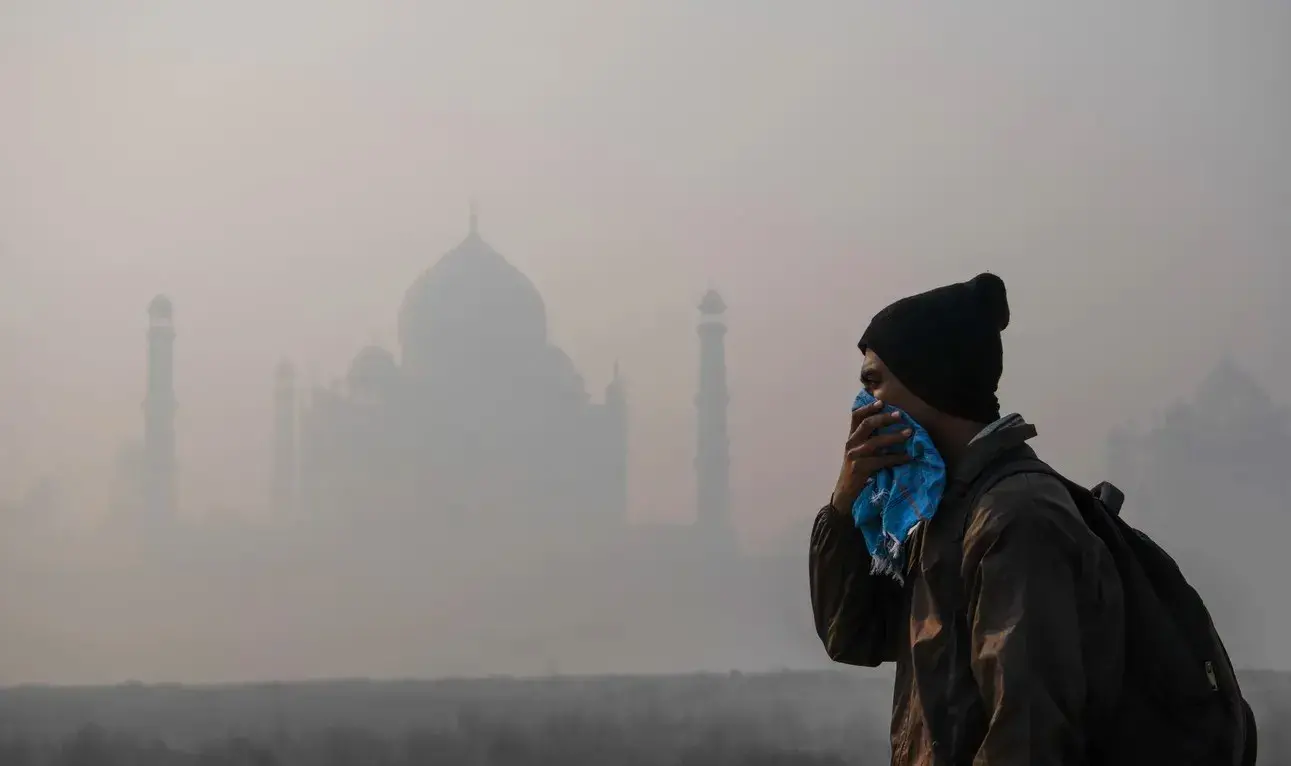
Scale of the crisis
India’s average annual PM2.5 levels—fine particulate matter that poses the gravest health risk—are nearly ten times higher than the World Health Organization’s safe limit. Cities across the Indo-Gangetic Plain, including Delhi, Lucknow, Patna and Kanpur, routinely record hazardous levels, especially in winter when cold air traps pollutants close to the ground.
National health estimates link around one million premature deaths every year in India to outdoor air pollution. The majority are caused by heart disease, stroke, chronic obstructive pulmonary disease (COPD) and respiratory infections. While northern India remains the epicentre, air pollution has become a pan-India problem, affecting urban and rural populations alike.
What makes polluted air deadly
Air pollution is a toxic mix of gases and microscopic particles released by vehicles, industries, construction, waste burning and household fuels. The most dangerous component is PM2.5—particles so small they penetrate deep into the lungs and enter the bloodstream.
Once inside the body, these particles trigger inflammation, damage blood vessels and disrupt normal organ function, steadily raising the risk of chronic illness. Nitrogen dioxide (NO₂), largely from traffic emissions, inflames airways and worsens asthma. Ground-level ozone (O₃), formed when pollutants react in sunlight, causes coughing, chest tightness and reduced lung capacity, particularly among those with existing lung disease.
How pollution attacks the body
Research from India and globally shows that air pollution harms nearly every organ system. Prolonged exposure significantly increases the risk of heart attacks and strokes by accelerating plaque build-up in arteries. It worsens asthma, triggers COPD flare-ups and raises lung cancer risk.
Children exposed to polluted air face higher rates of respiratory infections, impaired lung development and allergies. For pregnant women, exposure is linked to low birth weight, premature delivery and developmental risks to the foetus. Emerging evidence also associates long-term exposure with diabetes, cognitive decline and dementia.
Why India bears a heavier burden
India’s vulnerability stems from a combination of rapid urbanisation, exploding vehicle numbers and weak enforcement of emission norms. Industrial pollution, coal-fired power plants and relentless construction add to the load.
In many rural and low-income households, biomass fuels such as firewood and cow dung remain widely used. Open waste burning is routine. In northern India, seasonal crop-residue burning releases massive volumes of smoke each winter. Geography and meteorology—particularly in the Indo-Gangetic Plain—trap pollutants, intensifying smog episodes.
Who faces the greatest risk
While no one is immune, certain groups are far more vulnerable: children under five, older adults, pregnant women, people with asthma, COPD or heart disease, and those who work outdoors for long hours—traffic police, delivery workers, street vendors and construction labourers. Residents living near busy roads or industrial clusters face sustained exposure.
How to reduce personal exposure
Systemic solutions are vital, but individuals can still lower risk. Monitoring the Air Quality Index (AQI) helps limit outdoor activity on high-pollution days. Indoor air quality matters too—keeping windows shut during peak pollution hours, using air purifiers where possible, and avoiding mosquito coils, incense and indoor smoking can significantly cut exposure.
Well-fitted N95 or FFP2 masks offer meaningful protection outdoors. Choosing less congested routes, avoiding exercise near traffic-heavy roads, and switching to cleaner cooking fuels such as LPG are practical steps with proven benefits.
Fixing the air: policy and collective action
Lasting improvement depends on strong public policy. Expanding public transport, enforcing stricter emission standards, improving waste management, promoting clean energy, curbing biomass burning and offering viable alternatives to crop-residue burning are essential.
Urban greening, dust control and better zoning of residential and industrial areas can further reduce exposure. While some Indian cities have launched clean-air plans, consistent nationwide implementation remains the missing link.
The bottom line
Air pollution is no longer just an environmental concern—it is a full-blown public health emergency. Cleaner air means fewer hospitalisations, longer lives, higher productivity and better quality of life. With informed personal choices and sustained political will, India can still reverse the damage and breathe easier.
(Dr Anish Desai is a healthcare entrepreneur. He is leading IntelliMed Healthcare Solutions)
