

For the first time, Pakistan has expressed willingness to negotiate India’s objections to the 1960 Indus Waters Treaty, following India’s suspension of the pact after the Pahalgam terror attack, marking a shift in bilateral dynamics.
By Our Correspondent
New Delhi: Days after India announced the suspension of the 1960 Indus Waters Treaty (IWT) with immediate effect, citing the Pahalgam terror attack, Pakistan has taken a significant step by signaling its readiness to discuss India’s concerns. Pakistan’s Water Resources Secretary, Syed Ali Murtaza, responded to India’s formal notification, offering to negotiate specific terms of the treaty that India finds objectionable, according to sources. This marks the first time Islamabad has explicitly agreed to engage on India’s proposed modifications, a departure from its earlier stance of rejecting such discussions.
Historic Shift in Pakistan’s Position: Pakistan’s offer to discuss the IWT comes after India’s decision to place the treaty in abeyance, prompted by the April 22, 2025, Pahalgam attack that killed 26 people. Previously, Pakistan had rebuffed India’s requests for treaty modifications in January 2023 and September 2024, citing the absence of an exit clause in the treaty. Murtaza’s response, however, questions the legality of India’s unilateral suspension but opens the door for bilateral talks. India insists that any negotiations must be strictly bilateral, excluding third parties like the World Bank, and aims to revise the treaty’s dispute-resolution mechanism for clarity and efficiency.
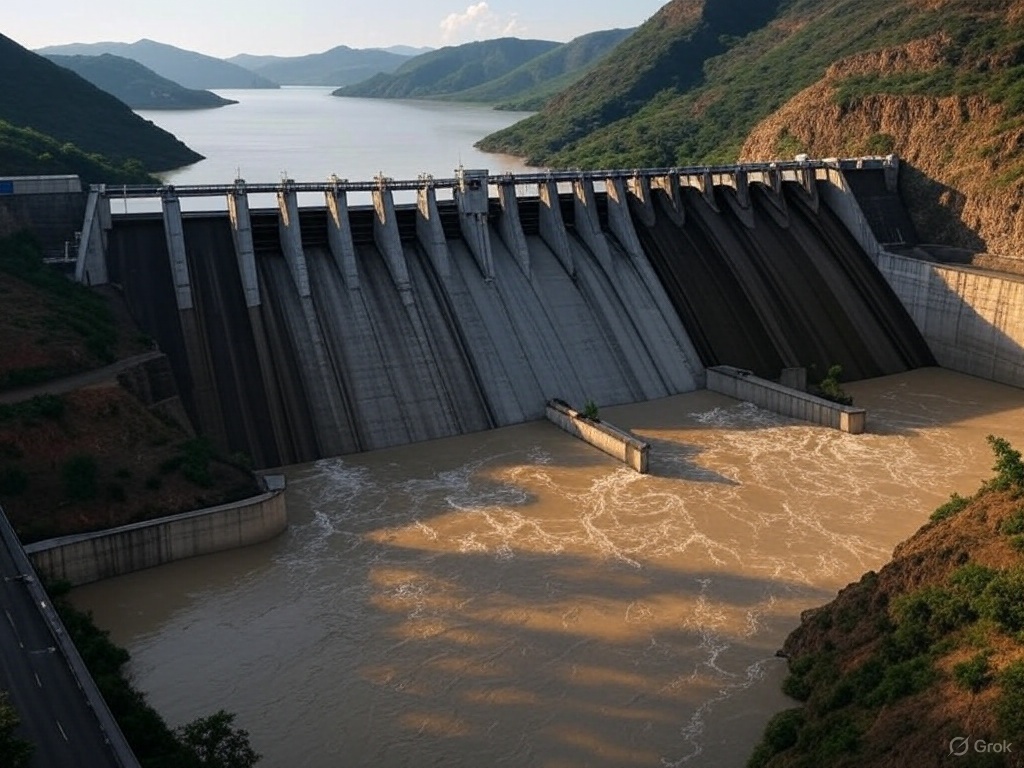
Strategic Implications for India: India’s suspension of the IWT, a robust agreement brokered by the World Bank in 1960, allows it to bypass treaty restrictions on building storage infrastructure on the western rivers—Indus, Jhelum, and Chenab—allocated to Pakistan. India seeks to utilize these waters for hydropower and irrigation, addressing domestic needs amid population growth and climate challenges. However, constructing large-scale dams would take years due to financial and ecological constraints. For now, India can withhold water flow data and undertake reservoir flushing, potentially impacting Pakistan’s agriculture, which relies on the Indus basin for 80% of its irrigation needs.
Pakistan’s Concerns and Regional Stability: Pakistan, heavily dependent on the western rivers, views India’s move as a threat to its agricultural economy and water security. Islamabad has called the suspension “unlawful,” asserting that the treaty remains binding. Posts on X reflect Pakistan’s firm stance, with officials vowing to protect water rights through global forums. While Pakistan’s willingness to negotiate could de-escalate tensions, the absence of immediate infrastructure limits India’s ability to significantly alter water flows. Both nations face the challenge of balancing national interests with the need for regional stability.
Pakistan’s unprecedented offer to discuss the Indus Waters Treaty terms signals a potential thaw in India-Pakistan relations. As both nations navigate this critical juncture, bilateral talks could reshape water-sharing dynamics and regional security.