

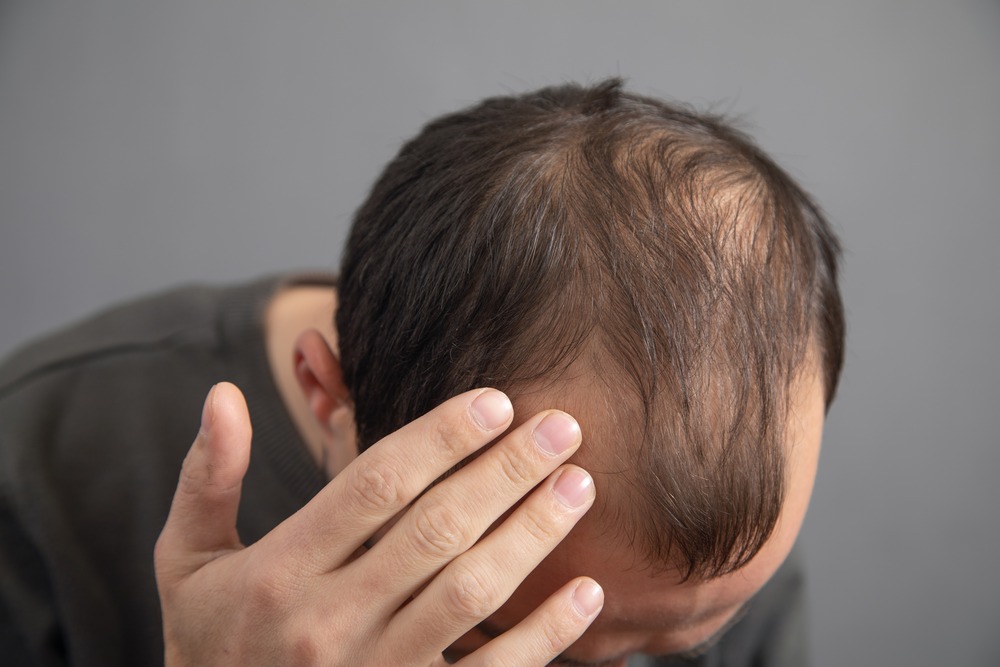
Hair loss in India is no longer just a cosmetic concern; in fact, a widespread, early-onset condition affecting both men and women. Increasingly, it reflects deeper issues related to lifestyle, stress, and nutrition.
Rohan, 32, first noticed his hairline receding during work-related video calls. Meera, 28, became alarmed when she saw excessive hair fall while washing her hair. Their experiences are far from unique. Across India, younger individuals are facing noticeable hair thinning much earlier than in previous generations.
The extent of the problem is significant. Studies indicate that around 58 per cent of Indian men between 30 and 50 experience androgenetic alopecia (pattern baldness). Among women, 20–30 per cent report clinically significant hair thinning. In younger populations, prevalence is rising sharply, with some studies suggesting up to 65 per cent of women and over 40 per cent of men reporting concerns about hair fall. Stress-related hair loss, known as telogen effluvium, accounts for nearly 40% of cases seen in clinical practice.
Hair loss is not a single condition but a group of disorders with multiple causes. The most common is genetic hair loss, driven by sensitivity to dihydrotestosterone (DHT), which gradually miniaturises hair follicles. This can begin as early as the twenties among Indian men.
Another major cause is stress-induced hair fall. Physical illness, emotional stress, rapid weight loss, or events such as infections can push hair into a resting phase, leading to sudden shedding. This type is often reversible if the underlying trigger is addressed.
Nutritional deficiencies are particularly important in India. Low levels of iron, vitamin B12, vitamin D, and inadequate protein intake are frequently observed. These deficiencies disrupt the hair growth cycle and weaken the hair shaft.
Hormonal factors also play a role. Thyroid disorders, polycystic ovary syndrome (PCOS), postpartum changes, and menopause can all contribute to hair thinning, especially in women.
Environmental and cultural factors add to the burden. Tight hairstyles can cause traction alopecia, while pollution, hard water, and excessive use of chemical treatments further damage the hair and scalp.
Modern Indian lifestyles amplify these risks. Urban stress, poor dietary balance, frequent dieting, sleep disruption, and rising metabolic disorders all contribute to worsening hair health. Increasingly, hair loss is being recognised as a marker of underlying physiological imbalance rather than simply ageing.
Management begins with identifying the type of hair loss. A clinical evaluation is essential because treatment varies depending on the cause.
Evidence-based medical treatments include topical minoxidil, which improves hair density and slows progression. In men, finasteride helps reduce DHT levels. In women with hormonal hair loss, medications like spironolactone may be used under medical supervision. These treatments are most effective when initiated early.
Correcting nutritional deficiencies is equally important. Iron supplementation in deficient individuals, along with adequate intake of protein and vitamins, can significantly improve outcomes. However, supplementation should be targeted rather than indiscriminate use.
Lifestyle measures play a crucial role. Managing stress through exercise, yoga, and proper sleep can reduce hair shedding. Avoiding crash diets, ensuring balanced nutrition, and adopting gentle hair care practices help maintain overall hair health.
For advanced cases, procedures such as platelet-rich plasma (PRP) therapy, low-level laser therapy, and hair transplantation may be considered.
Hair loss also has a psychological dimension. It affects confidence, self-image, and social interactions, particularly among younger individuals. Recognising it as a medical condition rather than a purely cosmetic issue is important for timely intervention.
The key takeaway is clear: hair loss in India is common, increasingly early in onset, and often linked to modifiable factors. With early diagnosis and appropriate treatment, it is frequently manageable and, in some cases, reversible.
Rohan delayed intervention and continued to lose hair. Meera sought timely care, corrected her deficiencies, and stabilised her condition. The difference lies not in the problem, but in the response.
(Dr Anish Desai is a healthcare entrepreneur. He is leading IntelliMed Healthcare Solutions)