


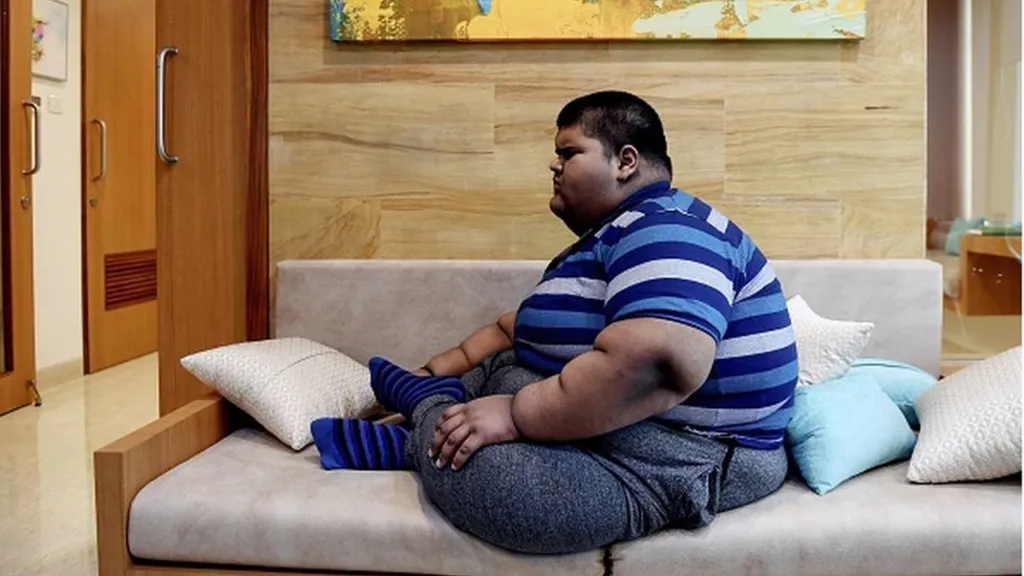
India today faces a silent yet rapidly escalating obesity epidemic, unfolding alongside persistent undernutrition, creating a dual burden unique to many low and middle income countries. Obesity in India is not merely an aesthetic concern, it is a major clinical and public-health driver of type 2 diabetes mellitus, cardiovascular disease, non-alcoholic fatty liver disease (NAFLD), infertility, osteoarthritis, sleep apnoea and several cancers. Crucially, this crisis is shaped far more by biology and environment than by individual failure.
The Facts: India-Specific Reality
According to the National Family Health Survey-5 (NFHS-5, 2019–21), approximately 24 per cent of Indian women and 23 per cent of men aged 15-49 years are overweight or obese (Body Mass Index or BMI ≥25 kg/m²). More concerning is the burden of abdominal (central) obesity, a stronger predictor of cardiometabolic risk in Indians, affecting around 40 per cent of women and 12 per cent of men.
Unlike Western populations, Indians develop metabolic complications at lower BMI thresholds due to higher visceral fat deposition, lower skeletal muscle mass and greater insulin resistance. This explains the phenomenon of “metabolically obese, normal-weight” individuals, in whom diabetes and heart disease occur despite a seemingly normal BMI.
Obesity is no longer confined to urban or affluent populations. NFHS trends show a steady rise across rural areas, among women, and in lower socio-economic groups, reflecting widespread dietary transition, physical inactivity, chronic stress, and sleep deprivation.
Myths vs Reality in Indian Obesity
BMI vs Waist Circumference: Risk Assessment in Indians
| Parameter | BMI | Waist Circumference | Clinical Implication |
| What it measures | Total body mass | Central (visceral) fat | — |
| Sensitivity in Indians | Low | High | Waist circumference predicts diabetes and CVD better |
| Normal value | 18.5–22.9 kg/m² | Men <90 cm; Women <80 cm | Lower cut-offs than Western standards |
| Misses risk? | Yes | Rarely | Normal BMI can still carry high metabolic risk |
Common Myths vs Scientific Reality
| Myth | Evidence-Based Reality |
| Obesity is just overeating and laziness | Body weight is biologically defended; hormonal adaptations after weight loss increase hunger and reduce energy expenditure. |
| Normal BMI means healthy | Central obesity and insulin resistance can exist despite a normal BMI in Indians. |
| Carbohydrates are the main problem | Poor diet quality—refined carbohydrates, excess sugar, low protein, and inadequate fibre—is the real issue. |
| Thyroid disease causes most obesity | Hypothyroidism contributes modestly and is rarely the primary cause. |
| Weight-loss drugs are shortcuts | Medications can help only when combined with lifestyle change and long-term medical care. |
GLP-1 Obsession in India
GLP-1 receptor agonists (such as semaglutide and liraglutide) and newer dual agonists (tirzepatide) reduce appetite, slow gastric emptying, and improve insulin sensitivity. Clinical trials demonstrate clinically meaningful weight loss when these agents are used long term alongside structured lifestyle interventions.
In India, awareness and demand have surged rapidly. However, public discourse often overlooks critical clinical realities. These drugs treat obesity as a chronic, relapsing disease and usually require prolonged therapy. Discontinuation commonly leads to weight regain unless behavioural changes are sustained.
GLP-1 Drugs: Benefits and Limitations (Indian Context)
| Aspect | Benefits | Limitations / Risks |
| Weight loss | Clinically significant; sustained with continued use | Weight regain common after discontinuation |
| Metabolic effects | Improves glucose control, lipids, and fatty liver markers | Not a substitute for lifestyle change |
| Safety | Generally safe under medical supervision | Gastrointestinal side effects, gallstones, and risk of muscle loss |
| Suitability | Useful in obesity with comorbidities | Contraindicated in pregnancy and certain endocrine disorders |
| Access in India | Growing availability | High cost, misuse, and counterfeit-drug risk |
What Actually Works: Sustainable Solutions for India
Effective obesity management in India must go beyond weight-centric thinking.
- Measure risk correctly: waist circumference, blood glucose, lipid profile, and blood pressure — not weight alone.
- Nutrition: adequate protein at every meal, higher fibre intake, and reduced consumption of ultra-processed foods.
- Physical activity: 150–300 minutes of aerobic activity per week plus two to three days of resistance training to preserve muscle mass.
- Sleep and stress management: poor sleep and chronic stress exacerbate hormonal drivers of weight gain.
- Medications: anti-obesity drugs should be used judiciously, under medical supervision, and only alongside lifestyle support.
- Policy action: clear food labelling, restrictions on junk-food marketing to children, healthier school and workplace food environments, and walkable urban design.
Conclusion
India’s obesity epidemic is real, metabolic, and predominantly waist-driven. GLP-1 drugs are valuable therapeutic tools for selected patients, but they are not a population-level solution. Long-term success requires an integrated strategy combining sustained lifestyle change, evidence-based clinical care, and policy-level interventions that reshape the environments driving obesity.
(Dr Anish Desai is a healthcare entrepreneur. He is leading IntelliMed Healthcare Solutions)
