



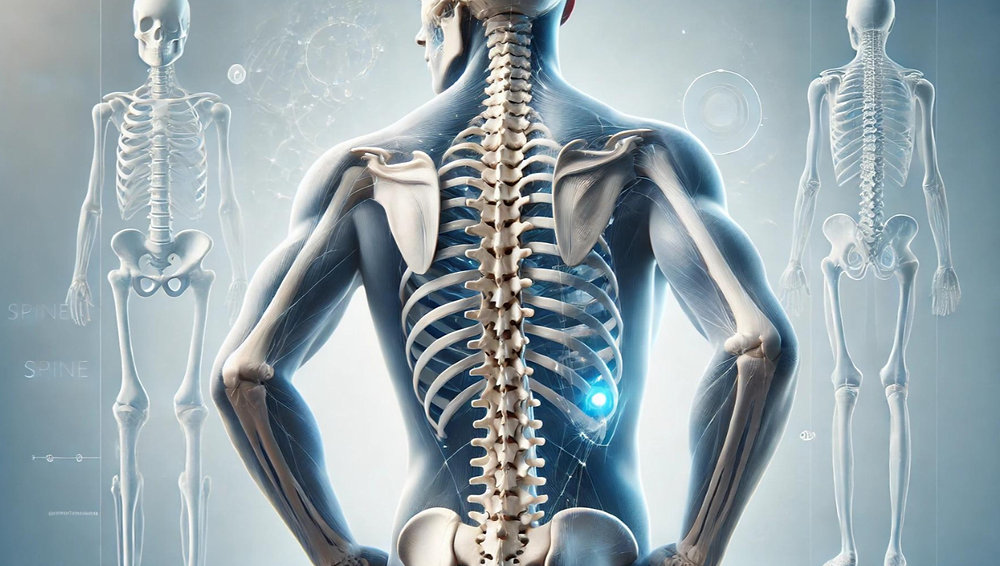
Rajesh was 42 when a routine household chore changed the way he thought about his health. As he bent to lift a carton of books, a sharp pain shot through his lower back. Expecting a slipped disc, he instead learnt that he had early osteoporosis and poor muscle strength. A few weeks later, his wife, Meera, 39, paused halfway up the stairs because her knees hurt and her legs felt unusually weak. Neither of them looked unwell, and both believed they were healthy. What they did not realise was that years of desk jobs, hurried meals, little exercise and inadequate vitamin D had quietly weakened their bones and muscles.
Their story is no longer unusual. Across India, more people in their thirties, forties and fifties are discovering that bone and muscle loss does not begin in old age. It often starts soon after 30, progresses silently for years and is usually noticed only after persistent pain, difficulty with everyday activities or an unexpected fracture.
By the late twenties, the body reaches its peak bone mass. After that, bones gradually lose more tissue than they replace. Muscles follow a similar course, shrinking by about 3 to 8 per cent every decade after the age of 30, with the decline becoming faster after 50. These changes are a natural part of ageing, but they tend to occur earlier and more rapidly in Indians because of nutritional deficiencies, sedentary lifestyles and poor awareness.
The scale of the problem is alarming. An estimated 230 million Indians have low bone density or osteoporosis. Around one in three women and one in five men over the age of 50 are expected to suffer an osteoporotic fracture during their lifetime. Studies also suggest that between 70 and 90 per cent of Indians are deficient in vitamin D despite abundant sunshine. More than half of urban adults do not achieve recommended levels of physical activity, while protein intake remains below desirable levels for a significant proportion of the population. Sarcopenia, the age-related loss of muscle, affects roughly 15 to 25 per cent of Indians over 50, particularly women after menopause.
These figures make one thing clear: poor bone and muscle health is no longer a problem confined to the elderly. It is becoming a public health challenge for working-age Indians.
Several factors explain why Indians are particularly vulnerable. Traditional diets are often rich in cereals but relatively poor in high-quality protein, calcium, vitamin D, vitamin B12 and magnesium. Vegetarian diets can certainly support good health, but they require careful planning to ensure adequate protein and essential nutrient intake.
Modern lifestyles have made matters worse. Millions spend most of their day sitting at desks, commuting in cars or working from home. Bones become stronger only when they bear weight, and muscles remain healthy only when they are used. Hours of inactivity every day gradually weaken both.
Vitamin D deficiency presents another paradox. Although India receives abundant sunshine, indoor lifestyles, air pollution, sunscreen use and darker skin pigmentation, which requires longer exposure to sunlight, mean that many people fail to produce enough vitamin D naturally.
Women face additional challenges. The sharp fall in oestrogen after menopause accelerates bone loss, while pregnancy, breastfeeding and inadequate calcium intake can further increase lifetime risk. Men are not immune either. Smoking, excessive alcohol consumption, abdominal obesity, diabetes and physical inactivity all contribute to declining bone and muscle health, yet preventive health checks remain uncommon.
The body usually sends subtle warning signs long before a fracture occurs. Persistent back pain, reduced grip strength, muscle cramps, difficulty climbing stairs, slower walking, frequent fatigue, repeated falls, loss of height or a stooped posture should not be dismissed as ‘just ageing’. They often signal that bones and muscles are becoming weaker.
Fortunately, the most effective treatments are neither expensive nor complicated. They begin with everyday habits.
Nutrition is the foundation. Adults between 30 and 60 should generally aim for about 1.0 to 1.2 grams of protein per kilogram of body weight each day, increasing to around 1.2 to 1.5 grams for physically active people and older adults. Milk, curd, paneer, eggs, fish, chicken, soy products, lentils, chickpeas and beans are all excellent choices. Calcium needs average 1,000 to 1,200 milligrams a day and can be met through dairy products, ragi, sesame seeds, tofu, green leafy vegetables and fortified foods. Vitamin D, magnesium and vitamin K also play essential roles in maintaining healthy bones and muscles.
Exercise is equally important. Strength training two or three times a week helps preserve muscle and stimulates bone formation. Brisk walking, jogging, dancing and climbing stairs provide the weight-bearing activity that bones need, while yoga, stretching and balance exercises improve flexibility and reduce the risk of falls. Even 30 to 45 minutes of physical activity on most days can make a substantial difference over time.
Some people should also consider medical screening before symptoms develop. Those with a family history of osteoporosis, diabetes, thyroid disease, rheumatoid arthritis, chronic steroid use, early menopause, low body weight, smoking, excessive alcohol consumption or previous fractures may benefit from tests for vitamin D, calcium and vitamin B12. High-risk individuals may also require a bone mineral density assessment through a DEXA scan.
Supplements have their place, but they should support—not replace—a healthy diet and active lifestyle. Calcium, vitamin D, protein supplements or other nutrients should ideally be taken on medical advice rather than as a matter of routine.
Healthy bones and muscles do much more than prevent fractures. They keep people mobile, independent and active. They improve balance, posture and metabolism while reducing the risk of disability and many chronic diseases. The habits built during the thirties, forties and fifties determine how well people will move and live decades later.
Ageing is inevitable. Frailty is not. The strongest bones in your seventies are built in your thirties and forties, not after retirement. Every healthy meal, every walk, every strength exercise and every timely health check is an investment in the years ahead. The body begins preparing for old age much earlier than most people realise. The question is whether we begin preparing with it.