


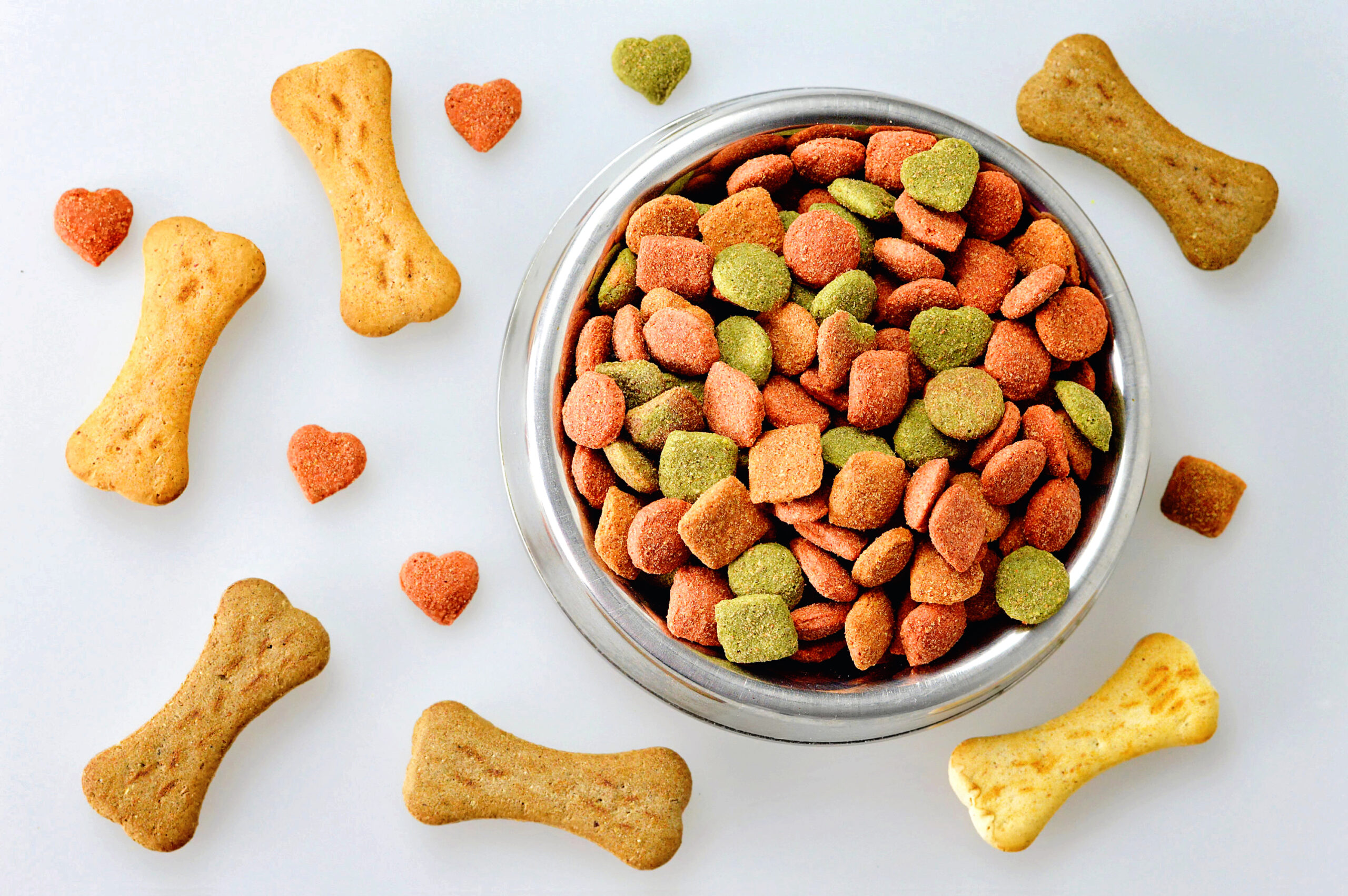
On a humid afternoon in the city, 32-year-old marketing professional Radhika S. scrolls through her phone—not to order lunch for herself, but for Bruno, her three-year-old Beagle. “I used to cook rice and chicken for him on weekends,” she says. “Now I barely have the time. But I also don’t want to feed him packaged food every day.”
It is this tension—between time, trust and nutrition—that start-ups like “Wagg n Dine” are seeking to address. The Chennai-based venture this week launched a cloud kitchen at Taj Connemara, offering freshly prepared, “human-grade” meals for dogs, delivered directly to households.
At one level, the idea is niche. At another, it sits squarely within one of India’s fastest-growing consumer markets.
The country’s pet food industry, estimated at $0.87 billion (₹7,200 crore) in 2025, is projected to nearly double to $1.68 billion (₹14,000 crore) by 2031, expanding at an annual rate of over 11 per cent. But the topline masks a sharper divergence: premium segments, fresh meals, grain-free diets and veterinary nutrition are growing at upwards of 20 per cent, outpacing the broader market.
The surge is being fuelled by a demographic shift. India’s pet dog population has crossed 30 million, with roughly two million new additions every year, largely driven by urban millennials and Gen Z households. These younger owners now account for nearly 68% of first-time adopters, according to industry estimates, and tend to view pets less as guard animals and more as companions.
The result is a steady rise in spending. Upper-middle-class households earning over ₹10 lakh ($12,000) annually now spend about ₹5,000 ($60) a month on pet care, covering food, grooming and healthcare. Within that basket, food remains dominant, accounting for nearly 78 per cent of the market.
Yet, even as spending rises, habits remain uneven. Only about 29% of India’s dog population is fed commercial pet food daily. The rest still rely on home-cooked meals or leftovers often due to cost concerns or scepticism about processed products.
This is where the “fresh food” proposition finds its opening.
“Wagg n Dine’s” model is built around a central kitchen that prepares meals daily using fresh chicken, filtered water and curated ingredients. Orders are delivered ready-to-serve, aiming to combine the perceived safety of home cooking with the convenience of food delivery apps.
For pet owners like Radhika, the appeal is less about indulgence and more about reassurance. “If I’m reading labels for my own food, why wouldn’t I do the same for him?” she says.
Industry observers say such thinking reflects a broader “humanisation” trend reshaping consumption. Products once considered premium, such as single-protein meals, probiotic supplements, and even breed-specific diets, are becoming mainstream in urban pockets. In speciality pet stores, these categories already account for nearly 18 per cent of revenue, up sharply from just a few years ago.
Still, the market is far from uniform. Price sensitivity remains a key constraint, particularly beyond metros. In Tier 2 and Tier 3 cities, packaged food penetration is below 20%, and many households continue to rely on traditional feeding practices. Even within cities, premium diets can cost two to three times more than standard kibble.
Supply-side challenges persist as well. Wet foods and specialised ingredients are heavily import-dependent, pushing prices up by 20-30 per cent. Regulatory oversight remains fragmented, with overlapping rules slowing product innovation.
Against this backdrop, cloud kitchens offer a workaround. By cutting retail overheads and leveraging delivery networks, now spanning over 40 cities through quick-commerce platforms, start-ups can reach consumers more directly while maintaining freshness and flexibility.
For Chennai, the timing appears apt. The city has seen a steady rise in nuclear families and apartment living, conditions that tend to correlate with higher pet adoption and spending. Subscription-based services, from groceries to grooming, are already entrenched among young professionals.
Whether fresh pet food will follow the same trajectory remains to be seen. For now, it occupies a small but growing niche—one shaped as much by emotion as economics.
Back in her apartment, Radhika watches Bruno finish his meal, then laughs: “He eats better than I do some days.” In that offhand remark lies the story of a market in transition, where feeding a pet is no longer routine, but a reflection of lifestyle, identity and, increasingly, aspiration. (5WH)