

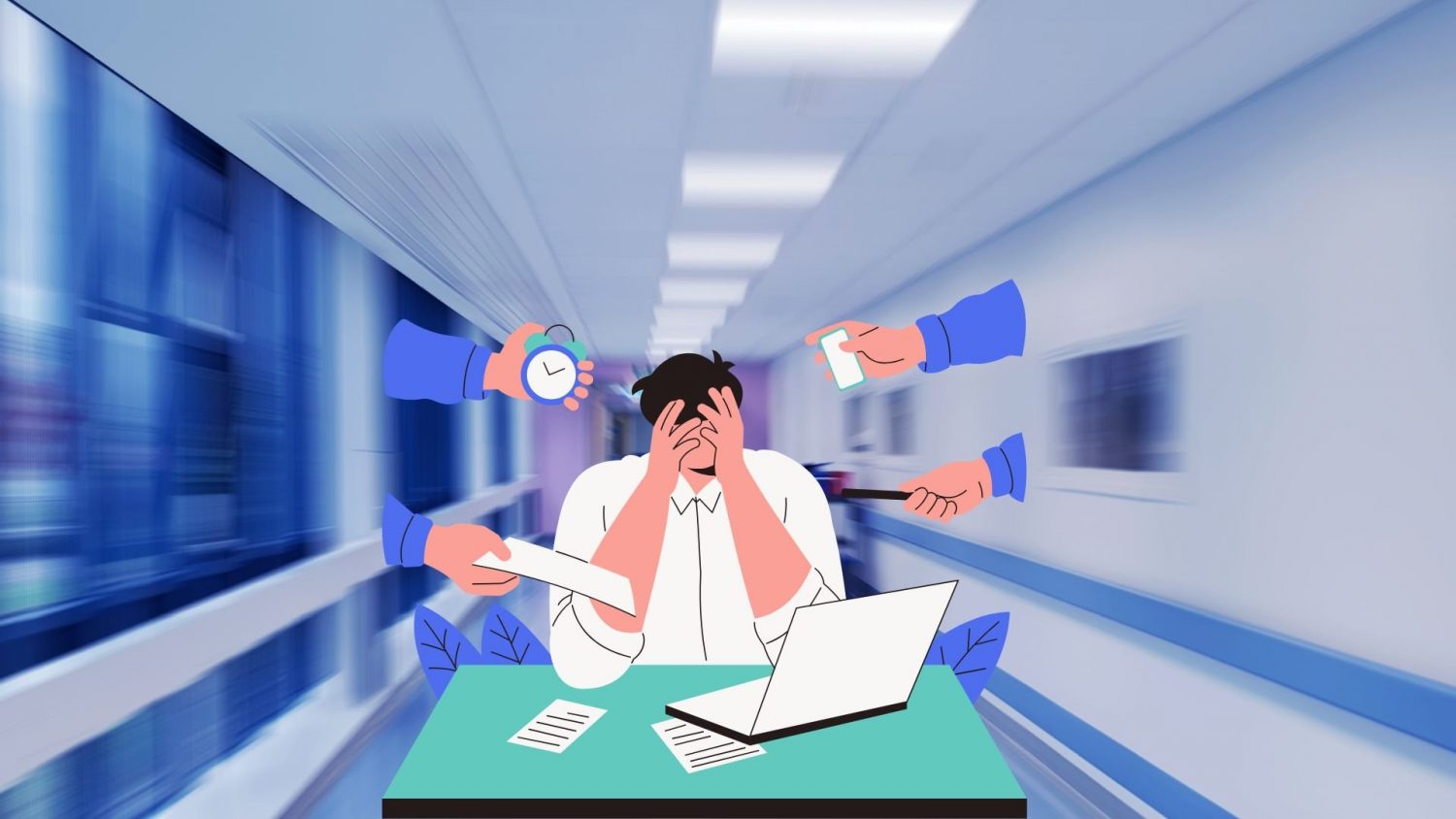
From the outside, successful leaders often appear to have everything under control. They lead meetings with confidence, make difficult decisions without hesitation, and project calm even in the middle of a crisis.
What is rarely visible is the emotional cost of carrying that responsibility every single day. Increasingly, executives, founders and senior managers are discovering that leadership comes with a burden few people talk about. It is not simply the long hours or relentless meetings. It is the constant pressure to have answers, absorb setbacks, motivate others and make decisions that affect hundreds—or sometimes thousands—of lives.
This is leadership burnout, and unlike ordinary workplace stress, it often remains hidden until it begins to affect health, judgement and organisational performance.
When Success Starts Feeling Empty
Burnout is often mistaken for physical exhaustion. In reality, it is much more complex. A leader can continue meeting deadlines, delivering presentations and achieving business targets while quietly losing enthusiasm, creativity and emotional energy. Decisions that once came naturally become mentally draining. Small setbacks trigger disproportionate frustration. Conversations feel transactional rather than meaningful.
Because many leaders continue functioning despite these warning signs, burnout is easy to overlook. They remain productive, but they are no longer fully engaged. They show up every day, yet feel increasingly detached from the work that once inspired them.
The danger lies precisely in this invisibility. By the time burnout becomes obvious, it has usually been building for months.
The Pressure Nobody Sees
Leadership brings a unique form of stress. Employees can often switch off after work. Leaders rarely can. A difficult client, an underperforming team, a looming financial decision or an unexpected crisis does not disappear at the end of the day. It follows them home, occupies their thoughts during weekends and quietly erodes their emotional reserves.
Many executives also feel they must project confidence regardless of how uncertain they feel. They become the people everyone turns to for reassurance, even when they themselves need support.
That constant emotional labour is one of the least discussed aspects of leadership—and one of the biggest contributors to burnout.
Why the Best Are Most Vulnerable
Ironically, burnout tends to strike those who care the most. High-performing leaders are usually ambitious, conscientious and deeply committed to their organisations. They take ownership of problems, set exceptionally high standards and often believe that asking for help signals weakness.
Instead of slowing down when pressure mounts, they push harder. They take on more responsibilities, sacrifice recovery time and convince themselves that the next milestone will bring relief.
It rarely does. Without time to recharge, even the most capable leaders eventually begin operating on depleted emotional reserves. Their competence remains intact, but their capacity to think clearly, innovate and connect with people gradually diminishes.
Burnout Doesn’t Stay in the Boardroom
Leadership burnout is not just a personal issue. It affects the entire organisation. A leader who is emotionally exhausted is more likely to make reactive decisions, communicate less effectively and struggle to inspire confidence during periods of uncertainty.
Teams notice these changes, even when they are subtle. Stress spreads quickly through organisations. Employees often mirror the emotional state of their leaders. When leaders become impatient, distracted or emotionally withdrawn, collaboration suffers, and psychological safety begins to erode. Innovation declines because people become less willing to take risks or share new ideas. In that sense, burnout is not merely a wellbeing concern. It is a business risk.
Emotional Intelligence Is No Longer Optional
For years, organisations measured leadership largely through financial performance, strategic thinking and operational efficiency. Those qualities remain important, but they are no longer enough. The most effective leaders today possess emotional intelligence—the ability to recognise their own emotional patterns, manage stress constructively and respond thoughtfully rather than react impulsively.
Self-awareness enables better judgement under pressure. Empathy strengthens trust within teams. Emotional regulation helps leaders remain composed when uncertainty is at its highest. Leadership, ultimately, begins with leading oneself.
Why a Holiday Isn’t the Answer
Many organisations still treat burnout as something that can be solved with a few days off or an occasional wellness programme. Recovery is rarely that simple. While rest matters, lasting recovery requires leaders to rethink how they work, make decisions and define success. It means setting healthier boundaries, delegating more effectively, reconnecting with purpose and developing habits that protect long-term mental resilience.
Executive coaching, mindfulness practices, reflective thinking and resilience training are increasingly being recognised not as lifestyle perks but as investments in leadership performance.
The goal is not to eliminate pressure. Leadership will always involve difficult choices. The challenge is learning how to sustain performance without sacrificing wellbeing.
New Definition of Strong Leadership
For decades, leadership was associated with endurance—the ability to work longer, shoulder more responsibility and remain constantly available. That model is becoming increasingly difficult to sustain. The strongest leaders are not those who ignore stress until it overwhelms them. They are the ones who recognise their limits, seek support when needed and create a culture where wellbeing is seen as a strength rather than a weakness.
When leaders prioritise their own emotional health, they permit others to do the same. The result is more engaged teams, healthier workplaces and organisations that are better equipped to navigate uncertainty.
In an era defined by rapid change and constant disruption, resilience is no longer about absorbing endless pressure. It is about maintaining clarity, empathy and sound judgement when the pressure is greatest. Leadership burnout is not a personal failing. It is a warning that even the most capable people have limits. The organisations that acknowledge this reality, and support their leaders before burnout takes hold, will be the ones best positioned to retain talent, build trust and thrive in an increasingly demanding world.
Because the future of leadership will belong not to those who simply work harder, but to those who learn how to lead sustainably.
(Smithaa M Chaturvedi is a leadership burnout coach. Her other areas or work are mindfulness and holistic healing. She is the founder, Divine Vibrations)