





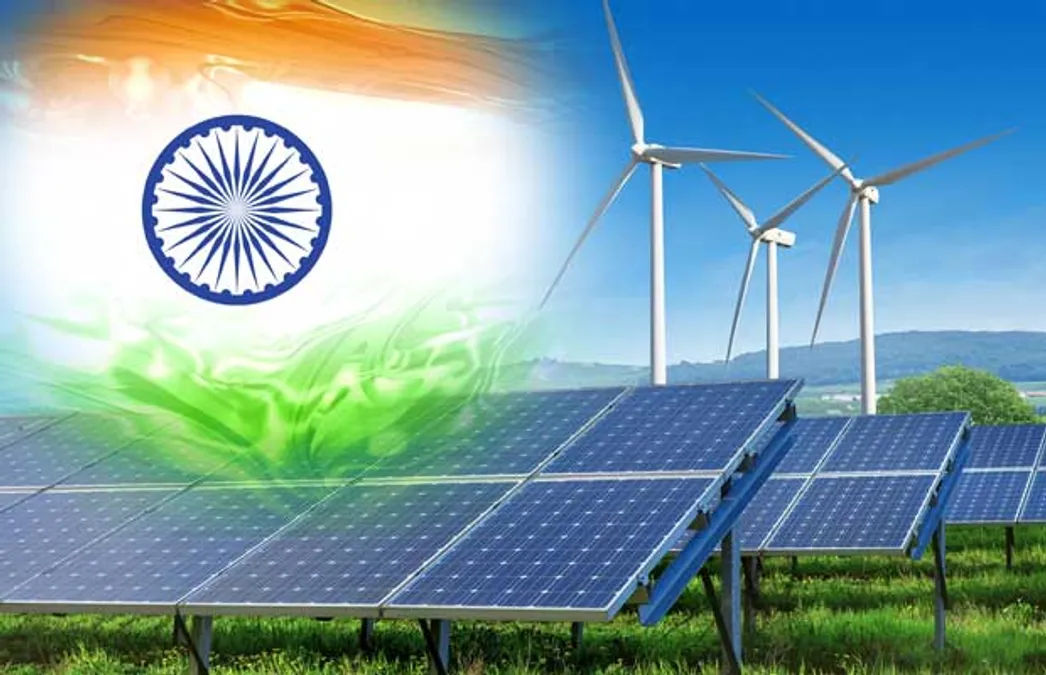
India stands at a defining moment in its economic and energy transformation. As the world’s fastest-growing major economy and the third-largest energy consumer, India’s choices will significantly influence not only its own development pathway but also the future of Asia’s clean energy transition. The country faces a complex challenge: meeting the rising energy needs of more than 1.4 billion people, supporting industrial growth, expanding energy access, and maintaining economic competitiveness while reducing dependence on fossil fuels.
Unlike many developed economies that are replacing existing energy systems, India must simultaneously expand energy capacity and transition towards cleaner sources. This challenge creates a unique opportunity. By accelerating renewable energy deployment, developing green technologies, strengthening sustainable finance, and building new clean industries, India can transform its energy system while emerging as a global leader in the low-carbon economy.
India’s clean energy transition is therefore not only a response to climate change. It is an economic transformation strategy that can enhance energy security, create new industries, generate employment, attract investment, and strengthen India’s role in shaping Asia’s sustainable future.
From Energy Security to Clean Energy Leadership
For decades, fossil fuels have powered India’s economic development. Coal remains an important source of electricity generation, supporting industrial growth and providing affordable power for a rapidly expanding economy. Oil and gas continue to play major roles in transportation, manufacturing, and other economic activities.
However, dependence on fossil fuels creates significant challenges. Imported energy exposes India to global price fluctuations, geopolitical uncertainty, and increasing environmental pressures. As energy demand continues to rise, India must develop a more diversified and resilient energy system.
India has increasingly recognised that renewable energy is not only an environmental necessity but also a strategic economic opportunity. Expanding domestic clean energy capacity can reduce dependence on imported fuels, strengthen industrial competitiveness, and create new markets in renewable energy, electric mobility, energy storage, and green technologies.
This transition reflects a broader shift in India’s development model: moving from a fossil fuel-dependent economy towards a more sustainable, secure, and innovation-driven energy future.
India’s Renewable Energy Revolution
India has emerged as one of the world’s most dynamic renewable energy markets. With abundant solar resources, large-scale land availability, growing investment, and expanding technological capabilities, the country has significant potential to accelerate clean energy development.
Through initiatives such as the National Solar Mission and ambitious renewable energy targets, India has rapidly expanded solar parks, rooftop solar systems, and wind energy projects. Renewable energy has become a central pillar of India’s strategy to meet future electricity demand while reducing carbon intensity.
India’s renewable energy transformation is occurring alongside China’s clean energy expansion, but the two countries follow different pathways. China has established global leadership in renewable energy manufacturing, particularly in solar photovoltaic modules, batteries, electric vehicles, and clean technology supply chains. Its advantage comes from industrial scale, manufacturing capacity, and extensive infrastructure development.
India’s opportunity lies in combining renewable energy growth with economic transformation. Its strengths include a large and growing domestic market, abundant renewable resources, skilled human capital, and the ability to integrate clean energy investment with industrial development. Through initiatives such as “Make in India”, the country is seeking to develop domestic manufacturing capabilities in solar equipment, batteries, and other clean technologies.
India’s leadership through the International Solar Alliance further demonstrates its ambition to promote renewable energy cooperation among developing countries and strengthen global collaboration on clean energy deployment.
Green Hydrogen: India’s Strategic Opportunity
Beyond renewable electricity, green hydrogen represents one of India’s most important opportunities in the future energy economy. Many industrial sectors, including steel, fertilisers, chemicals, shipping, and heavy transport, cannot be fully decarbonised through direct electrification alone. Green hydrogen provides a pathway to reduce emissions in these difficult-to-abate sectors.
India’s National Green Hydrogen Mission aims to establish the country as a global hub for green hydrogen production, utilisation, and export. With abundant solar and wind resources, a large industrial base, and growing technological capabilities, India has the potential to produce competitive green hydrogen and green ammonia for domestic and international markets.
China is also investing heavily in hydrogen technologies, benefiting from its manufacturing capabilities and industrial ecosystem. While China’s strength lies in technology production and large-scale deployment, India’s opportunity comes from combining renewable energy availability, industrial demand, and emerging export potential.
The development of a hydrogen economy could help India create new industries, attract investment, support industrial decarbonisation, and strengthen its position in future global clean energy supply chains.
India’s clean energy future is closely linked to the transformation of transport and industry. As urbanisation accelerates and vehicle ownership increases, electric mobility will become increasingly important for reducing emissions, improving air quality, and lowering dependence on imported oil.
The growth of electric vehicles, battery manufacturing, charging infrastructure, and clean transportation systems presents significant economic opportunities. India’s large domestic market provides a strong foundation for developing a competitive electric mobility ecosystem.
In this area, China currently has a significant advantage due to its established electric vehicle manufacturing industry, battery supply chains, and technology ecosystem. However, India’s expanding market, industrial policies, and investment opportunities create strong potential for future growth.
Beyond transportation, India’s industrial transformation will also require cleaner production systems. As global markets increasingly emphasise carbon reduction, sustainable supply chains, and environmental standards, industries that adopt low-carbon technologies will gain greater competitiveness.
Financing India’s Clean Energy
Financing remains one of the most important factors determining the success of India’s energy transition. Large-scale investment is required in renewable energy generation, electricity transmission, energy storage, green hydrogen infrastructure, electric mobility, and industrial decarbonisation.
India has made progress in developing sustainable finance mechanisms, including green bonds, climate investment frameworks, and public-private partnerships. These tools can help mobilise domestic and international capital while supporting long-term clean energy development.
International financial institutions, including multilateral development banks and climate funds, will continue to play an important role by providing financing, technical assistance, and risk-sharing mechanisms.
Private-sector participation will also be essential. The clean energy transition requires not only government policies but also entrepreneurship, innovation, technology investment, and market-based solutions.
The Road Ahead
Despite significant progress, India’s clean energy transition faces important challenges.
The continued role of coal highlights the complexity of balancing energy security, affordability, and climate objectives. A rapid transition without adequate planning could create economic and social challenges, particularly in regions dependent on fossil fuel industries.
Grid modernisation is another critical priority. Expanding renewable energy requires advanced transmission networks, energy storage solutions, digital technologies, and improved electricity management systems.
India must also strengthen domestic manufacturing capacity, secure access to critical minerals, develop technical skills, and support workforce transition. Ensuring that communities and workers benefit from the clean energy economy will be essential for a just and inclusive transition.
India: Asia’s Clean Energy Future?
India’s clean energy transformation extends beyond its national borders. As one of Asia’s largest economies, India’s success will influence the region’s broader transition beyond fossil fuels.
Cooperation with ASEAN, Japan, Australia, the European Union, and neighbouring countries can accelerate renewable energy investment, technology exchange, energy connectivity, and clean technology development. India’s experience demonstrates how a large developing economy can pursue climate action while continuing economic expansion.
India and China will remain the two most influential forces shaping Asia’s clean energy future. China’s leadership in manufacturing and technology supply chains, combined with India’s renewable potential, growing market, and innovation capacity, will significantly influence the pace of Asia’s transition.
India’s transition beyond fossil fuels represents one of the most significant economic and technological transformations of the twenty-first century. The country’s success will depend on its ability to combine policy ambition, technological innovation, investment, and inclusive development.
Renewable energy, green hydrogen, electric mobility, sustainable finance, and regional cooperation provide the foundation for India’s clean energy future. These opportunities can strengthen energy security, create new industries, generate employment, and enhance India’s global leadership in climate action.
The clean energy transition is not simply about replacing fossil fuels with renewable alternatives. It is about reshaping economic growth, industrial competitiveness, and international cooperation.
With its scale, resources, innovation capacity, and growing global partnerships, India has the opportunity not only to transform its own energy system but also to lead Asia’s transition towards a cleaner, more resilient, and sustainable energy future.


