
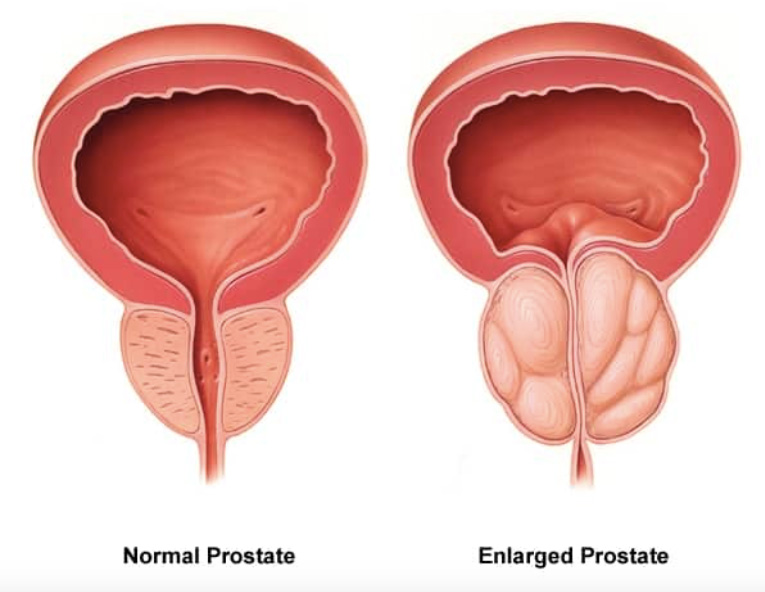
As men grow older, changes in urinary habits are common. One of the most frequent reasons for these changes is Benign Prostatic Hyperplasia (BPH), popularly known as prostate enlargement. BPH is a non-cancerous condition and does not mean a man has prostate cancer. However, it can significantly affect daily comfort, sleep and quality of life if left untreated.
Understanding BPH helps men recognise symptoms early and seek timely medical care. With proper diagnosis and treatment, most men can manage their symptoms effectively and continue to lead a normal life.
What is the prostate?
The prostate is a small, walnut-sized gland found only in men. It is located just below the bladder and surrounds the urethra, the tube that carries urine out of the body. The prostate plays an important role in male reproductive health by producing fluid that nourishes and transports sperm.
In younger men, the prostate is small and does not interfere with urine flow. As men age, the prostate often increases in size, which may begin to affect urinary function.
What is BPH?
BPH stands for Benign Prostatic Hyperplasia. “Benign” means non-cancerous, and “hyperplasia” means an increase in the number of cells. In BPH, prostate cells grow in number, causing the gland to enlarge.
When the prostate becomes larger, it can press against the urethra. This pressure can slow or block the flow of urine, leading to urinary symptoms. Importantly, BPH is not the same as prostate cancer, and having BPH does not increase the risk of developing cancer.
Why does the prostate enlarge?
Prostate enlargement is mainly linked to aging and hormonal changes in men. As men grow older, the balance of male hormones such as testosterone changes. These changes can stimulate prostate growth.
Other factors that may increase the risk of BPH include family history, obesity, lack of physical activity, diabetes and unhealthy dietary habits. Men with these risk factors may develop symptoms earlier or have more severe problems.
Common symptoms of BPH
Symptoms of BPH usually develop slowly over time. In the early stages, symptoms may be mild. As the prostate continues to enlarge, symptoms may become more noticeable.
Common symptoms include frequent urination, especially at night, difficulty starting urination, a weak urine stream and a feeling that the bladder is not empty. Some men may also notice dribbling of urine after finishing.
These symptoms are known as Lower Urinary Tract Symptoms (LUTS). They can disturb sleep, reduce confidence and affect daily activities.
When should you see a doctor?
Men should consult a doctor if urinary symptoms begin to interfere with daily life or cause discomfort. Sudden inability to pass urine is a medical emergency and needs immediate attention.
Other warning signs include blood in the urine, repeated urine infections, pain while urinating or severe lower abdominal discomfort. Early medical advice helps prevent complications and avoids long-term bladder or kidney damage.
How is BPH diagnosed?
Doctors diagnose BPH using a combination of medical history, physical examination, and simple tests. A digital rectal examination allows the doctor to assess the size and texture of the prostate.
Urine tests help rule out infection, while a PSA blood test may be used to assess prostate health. Ultrasound scans and urine flow tests can show how well the bladder is emptying and how large the prostate has become.
These tests help confirm the diagnosis and guide treatment decisions.
Treatment options for BPH
Treatment depends on how severe the symptoms are and how much they affect daily life. Mild symptoms may only require lifestyle changes and regular monitoring.
Lifestyle measures include reducing tea, coffee, and alcohol intake, especially in the evening. Limiting fluids before bedtime can reduce urination during night. Regular exercise and weight control also support better urinary health.
If symptoms persist, doctors may prescribe medications. Some medicines relax the muscles around the prostate to improve urine flow, while others gradually reduce the size of the prostate.
In more severe cases, minimally invasive procedures or surgery may be recommended. These treatments remove or shrink excess prostate tissue to restore normal urine flow.
Important facts to remember
BPH is very common in men over the age of 50. It is a natural part of aging and is not a life-threatening condition. With proper care, symptoms can be controlled effectively.
Ignoring symptoms can lead to complications such as urinary retention, infections, and bladder problems. Regular medical check-ups help ensure early detection and safe management.
Take care of your prostate
Maintaining a healthy lifestyle, staying active, and seeking medical advice when needed can protect prostate health. Men should not feel embarrassed about discussing urinary symptoms with their doctor.
Prostate problems are common, treatable, and manageable. Early action leads to better comfort, better sleep, and a better quality of life.
(Dr Anish Desai is a healthcare entrepreneur. He is leading IntelliMed Healthcare Solutions)