

S. Krishnan, Praful Sharma and Lavisha Tank
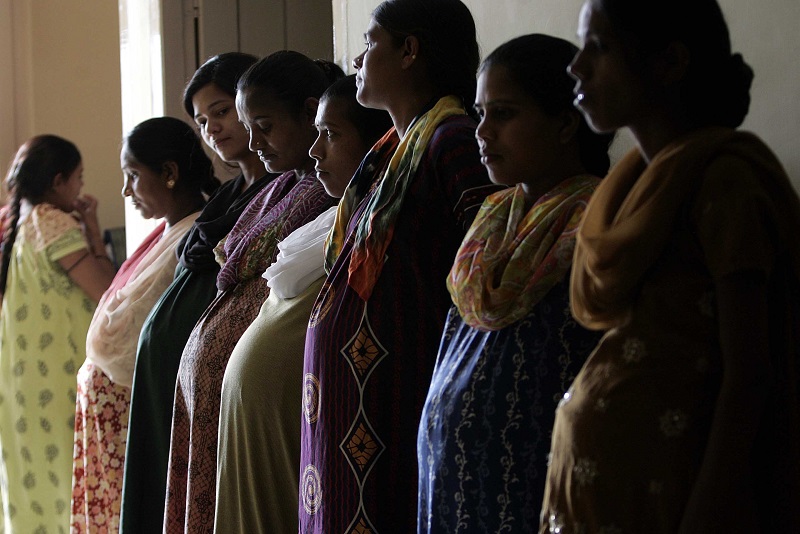
The concept of surrogacy is considered by many to be a noble and virtuous act, as it allows childless parents to beget children. This not only enables them to legally recognise such children as their offspring but also establishes a biological link via genetics. Although practised in India since time immemorial, surrogacy was largely unregulated and, therefore, susceptible to corrupt practices that emerged over time. Being a vast concept, the authors’ aim is to concisely cover the rules, regulations, guidelines and laws that have been formulated over time to regulate and monitor surrogacy practices across the country.
As time progressed, the laws of civilisation evolved. The practice of surrogacy, however, did not fundamentally change—only its approach did. Instead of marrying other women and risking allegations of bigamy, people began commercially paying for it. The term ‘surrogacy’ refers to a legal arrangement between a woman, also known as the surrogate, and the intended parents who wish to have a child.
Being able to give childless parents hope is widely regarded as an honour. Even though other options such as adoption or IVF exist, surrogacy has played a major role in helping people from different strata, each facing unique challenges, become parents. Although humane and philanthropic in nature, there have been numerous instances where this act of altruism has been misused by individuals seeking to profit from desperate couples, men or women who wish to become parents.
Reasons for Surrogacy in Today’s World
Major lifestyle changes and declining living conditions have led to an increase in diseases and health issues, one of the most common being infertility, thereby increasing demand for artificial methods of conception. At the same time, the acceptance of same-sex unions and the recognition of the fundamental human right to have a family and children have contributed to the growth of surrogacy. With a rise in intended parents opting for surrogacy in India, the country has become a highly sought-after destination for such procedures.
Although adoption remains an alternative, surrogacy has become a popular choice for several reasons:
- Through surrogacy, even though the womb is that of another woman, the genetic material of one or both parents may be present in the unborn child, thereby establishing a biological connection. The birth mother in such cases is not necessarily the biological mother.
- In addition to genetic linkage, parents may anticipate and, where possible, mitigate hereditary diseases based on family history.
- The perceived stigma associated with adoption is avoided.
- Intended parents have access to detailed information about the surrogate, including medical, financial and family history, allowing them to make informed decisions.
- Legal complications are often more pronounced in adoption, whereas surrogacy involves pre-arranged contracts, thereby reducing potential disputes at the outset.
Landmark Cases on Surrogacy in India
One of the earliest cases to highlight the complexities of surrogacy is Baby Manjhi Yamada v. Union of India, where a Japanese couple entered into a contract with an Indian woman to act as a surrogate. However, marital discord arose between the couple. After the child was born, the commissioning father, Mr Yamada, attempted to take the child to Japan. The Japanese Embassy in India denied the visa, as Japanese civil law did not recognise the surrogate child.
Yamada then applied for an Indian visa, which required a birth certificate listing both parents. While Mr Yamada was the genetic father, ambiguity arose regarding the mother, as there were three claimants—the commissioning mother, the egg donor and the surrogate. Due to this uncertainty, authorities refused to grant the visa. Ultimately, the Supreme Court of India intervened, allowing the child, Manji, to leave the country with her grandmother. This case is considered a landmark, as the Court held that surrogacy was permissible in India, thereby opening the doors for international couples to pursue such procedures in the country.
Another significant case is Jan Balaz v. Anand Municipality & Ors., in which a German couple had twins through a surrogate at the Anand Infertility Clinic in Gujarat. German law did not recognise surrogacy, and consequently, the twins were not granted German citizenship. To overcome immigration hurdles, the couple approached the Gujarat High Court seeking Indian passports for the children.
The Court held that a child born through surrogacy would carry the name of the surrogate mother rather than the biological mother and should be granted Indian citizenship. As a result, the surrogate mother had to transfer custody of the children to the German couple through adoption.
Legal Aspects of Surrogacy in India
As with many emerging sectors, laws regulating the medical field—particularly ART and surrogacy—are still in a nascent stage. It was only in 2005 that the Indian Council of Medical Research (ICMR), under the Ministry of Health and Family Welfare, issued the National Guidelines for Accreditation, Supervision and Regulation of ART Clinics in India.
These guidelines were not exclusively designed for surrogacy but included provisions applicable to ART procedures, including surrogacy. They did not prohibit single or unmarried women from accessing ART, and children born through such means were granted legal rights. However, these guidelines were advisory in nature and lacked binding legal force.
Recognising the need for formal legislation, the Law Commission of India took suo motu cognisance and addressed surrogacy in its 228th Report (2009), under the chairmanship of Justice A.R. Lakshmanan.
Need for Reforms to Strengthen India’s Surrogacy Framework
- Rationalise Eligibility Criteria: The government should revisit restrictive provisions—particularly those concerning secondary infertility, donor gametes, and the exclusion of unmarried individuals—to align the law with evolving family structures and constitutional rights.
- Strengthen Safeguards: The focus should shift from prohibition to robust regulation, ensuring informed consent, medical safety, fair expense compensation, and protection against exploitation of surrogate mothers.
- Counselling and Support Mechanisms: Mandatory psychological, legal and medical counselling can reduce emotional strain, prevent coercion and assist all parties in navigating complex decisions.
- Institutional Mechanisms: District and National Surrogacy Boards must be empowered with effective monitoring tools, grievance redressal systems and transparent regulatory processes.
- Rights-Based Policy Framework: Future reforms must uphold Article 21 rights, respect bodily autonomy and balance protection with empowerment, ensuring an ethical and inclusive surrogacy ecosystem.
Way Forward
The Surrogacy (Regulation) Act, 2021, represents a significant step towards regulating surrogacy practices in India, aiming to prevent exploitation and safeguard the interests of all stakeholders. However, challenges highlighted by past cases underscore the need for continuous legal scrutiny and public awareness.
As India progresses, balancing technological advancements with ethical considerations and legal safeguards will remain essential to protect the rights and well-being of surrogate mothers, intended parents and children born through such arrangements.
(Dr S. Krishnan is an Associate Professor at the Seedling School of Law and Governance, Jaipur National University, Jaipur. Praful Sharma and Lavisha Tank are law students at the same institution)