


By any serious reading of 2026, the belief that today’s global disorder is temporary can no longer be sustained. What we are witnessing is not a momentary disruption on the path to a new equilibrium, but the hardening of a more severe and enduring geopolitical era. Hot wars, cold wars and grey-zone coercion now exist side by side, each reinforcing the other. Rather than receding, conflict has become embedded in the structure of international politics.
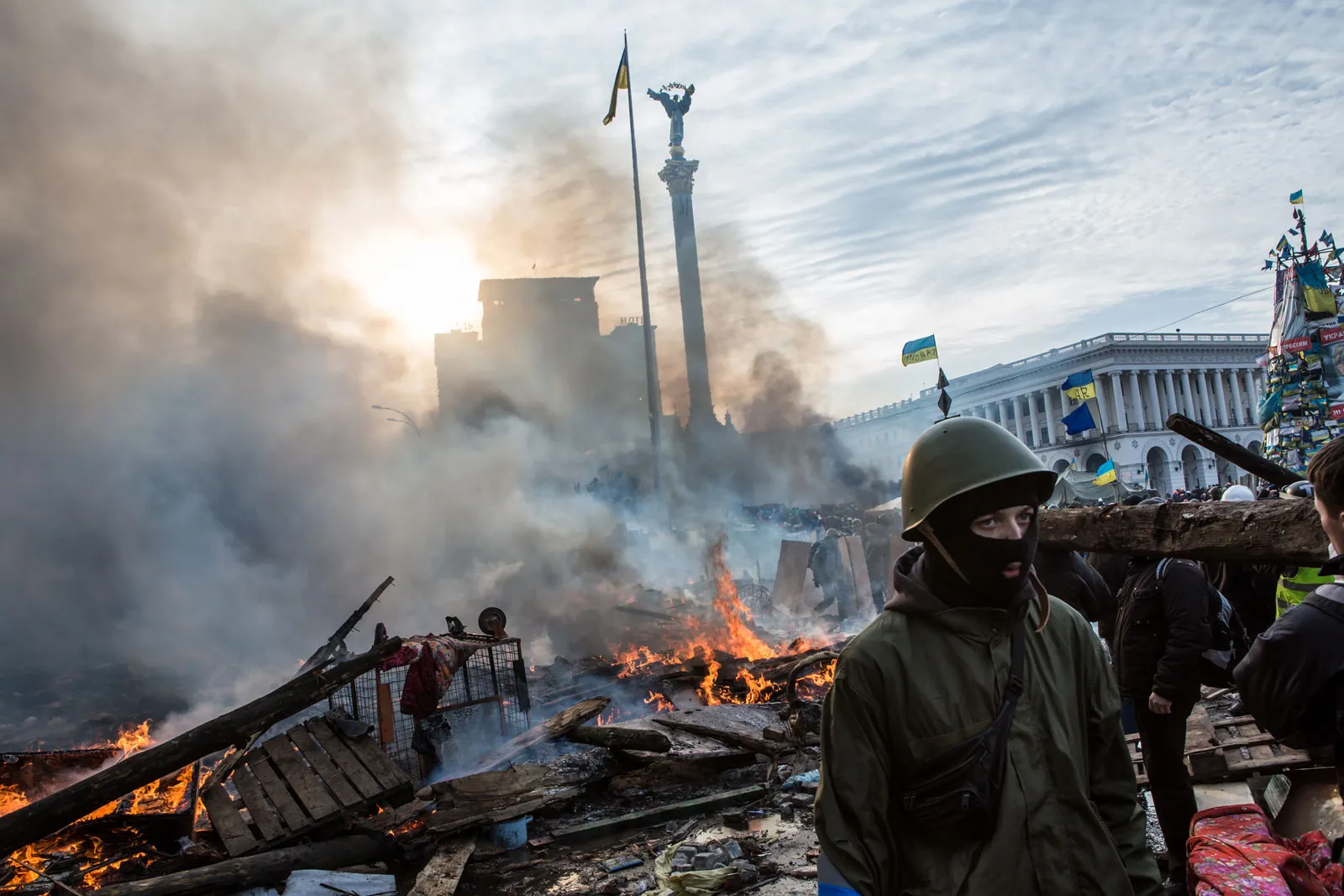
The war in Ukraine captures this condition with particular clarity. Russia’s campaign is no longer about territory or bargaining power. It is civilisational in intent. Moscow seeks to erase Ukraine as an independent political actor capable of choosing its own alignments. That objective renders a negotiated peace structurally unattainable. Any settlement acceptable to the Kremlin would hollow out Ukrainian sovereignty, while any terms Kyiv could accept would negate Russia’s core war aims. The result is not a temporary stalemate but a drawn-out war of attrition, in which outcomes will be determined less by diplomacy than by exhaustion.
In the Indo-Pacific, strains within American alliances do not signal their irrelevance, but rather the difficulty of sustaining them under pressure. The deterioration in US–India relations during Donald Trump’s presidency exposed tensions that summit diplomacy often masks. Trade disputes, pressure tactics and overt transactionalism brought long-managed disagreements into the open. Yet beneath this friction lies a more durable reality. India cannot balance China without the United States, and the United States cannot shape Asia without India. Tactical disputes will continue, but a strategic rupture remains improbable.
China sits at the centre of this web of tensions. A comprehensive and lasting accommodation between Washington and Beijing appears unlikely, regardless of diplomatic theatre. China’s export-driven economic model, rapid military expansion and increasingly coercive behaviour in the South China Sea and around Taiwan collide directly with American and allied interests. Beijing’s growing military confidence, combined with fears that political sentiment in Taiwan is drifting irreversibly away from the mainland, creates a volatile mix. The central question is no longer whether pressure will intensify, but how long deterrence can hold. The most serious danger lies not in deliberate war, but in miscalculation.
Even long-standing flashpoints are becoming more dangerous. North Korea’s deepening alignment with Russia is particularly troubling. Pyongyang’s involvement in a European land war has sharpened its forces and accelerated its weapons programmes, while Russian technology transfers and diplomatic protection further weaken remaining constraints. For South Korea, this raises acute questions about the credibility of US extended deterrence as North Korean missiles increasingly demonstrate the ability to threaten the American mainland.
As Washington debates the limits of its global role, no alternative order stands ready to replace it. Groupings such as BRICS or the Shanghai Cooperation Organisation may appear formidable, but they fracture under internal rivalries, most notably between India and China. American disengagement does not produce multipolar harmony. It creates unmanaged competition.
The defining feature of 2026 is not transition, but entrenchment. Great-power rivalry is no longer a phase to be endured and outgrown. It is a permanent condition of the global system. Peace has ceased to be the default setting. Instead, conflict in its military, economic, technological and covert forms has become the background of international life. The task ahead is not to imagine a return to calm, but to confront this reality without illusion.
(Hal Brands is a distinguished professor at Johns Hopkins University and a senior fellow at the American Enterprise Institute. He specialises in modern great-power rivalry)
