


UN Security Council and Guterres Urge Restraint Amid Escalating Indo-Pak Tensions Post-Pahalgam Attack
Global Condemnation and Calls for De-escalation Follow Deadly Terror Strike
UN Security Council’s Strong Condemnation
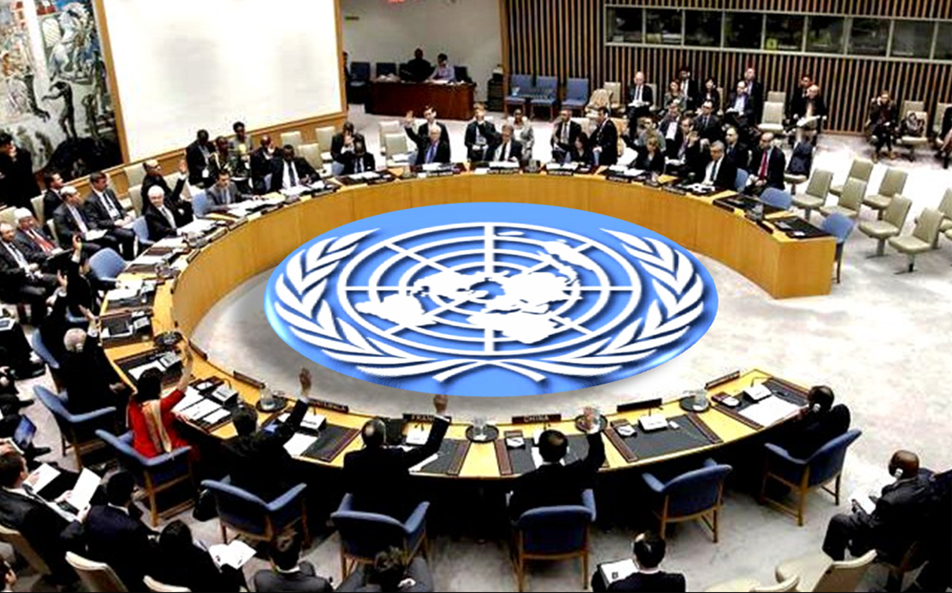
The UN Security Council (UNSC) issued a powerful statement on April 26, condemning the Pahalgam terror attack in Jammu and Kashmir “in the strongest terms.” The attack, which killed 26 civilians—mostly tourists—on April 22, was described as a “reprehensible act of terrorism.” The UNSC stressed that those responsible, including organizers and sponsors, must be held accountable and brought to justice, reinforcing the global stance against terrorism targeting civilians.
UN Secretary-General’s Plea for Restraint
On April 25, UN Secretary-General Antonio Guterres expressed deep concern over the escalating tensions between India and Pakistan following the attack. Speaking through his spokesperson Stephane Dujarric, Guterres urged both nations to exercise “maximum restraint” and avoid actions that could further deteriorate the situation. “Any issues between Pakistan and India should be resolved peacefully through meaningful, mutual engagement,” Dujarric stated at a press briefing. Guterres, who has been closely monitoring the situation, also condemned the attack earlier in the week, offering condolences to the victims’ families and emphasizing that attacks on civilians are “unacceptable under any circumstances.”
India’s Retaliatory Measures and Regional Fallout
India’s response to the attack, linked to the Pakistan-based Lashkar-e-Taiba proxy The Resistance Front, has been swift and severe. On April 23, India downgraded diplomatic ties with Pakistan, expelled Pakistani military attachés, suspended the Indus Waters Treaty, and shut down the Attari border transit post. These actions have heightened tensions, with Pakistan’s PPP Chairman Bilawal Bhutto-Zardari issuing a provocative warning: “Either our water will flow, or their blood will.” On the Indian side, Prime Minister Narendra Modi vowed to “wipe out the remaining land of terror,” signaling a tough stance against cross-border terrorism.
Global Voices Echo Condemnation
At a separate event hosted by India’s Permanent Mission to the UN, Philemon Yang, President of the 79th UN General Assembly session, extended condolences to the victims’ families. “The targeting of civilians is unacceptable and cannot be justified under any circumstances,” Yang stated, aligning with the UN’s broader sentiment. Posts on X reflect a mix of support for India’s actions and calls for de-escalation, with some users urging international mediation to prevent further conflict.
A Tense Road Ahead
The Pahalgam attack, the deadliest in the Kashmir Valley since the 2019 Pulwama strike, has reignited longstanding Indo-Pak tensions. The UN’s dual messaging—condemning terrorism while advocating restraint—underscores the delicate balance needed to prevent further escalation in a volatile region. As India and Pakistan navigate this crisis, the international community remains on edge, hoping for dialogue over confrontation.
#PahalgamAttack #UNSecurityCouncil #AntonioGuterres #IndoPakTensions #IndusWatersTreaty #TerrorismCondemned #GlobalDiplomacy
