
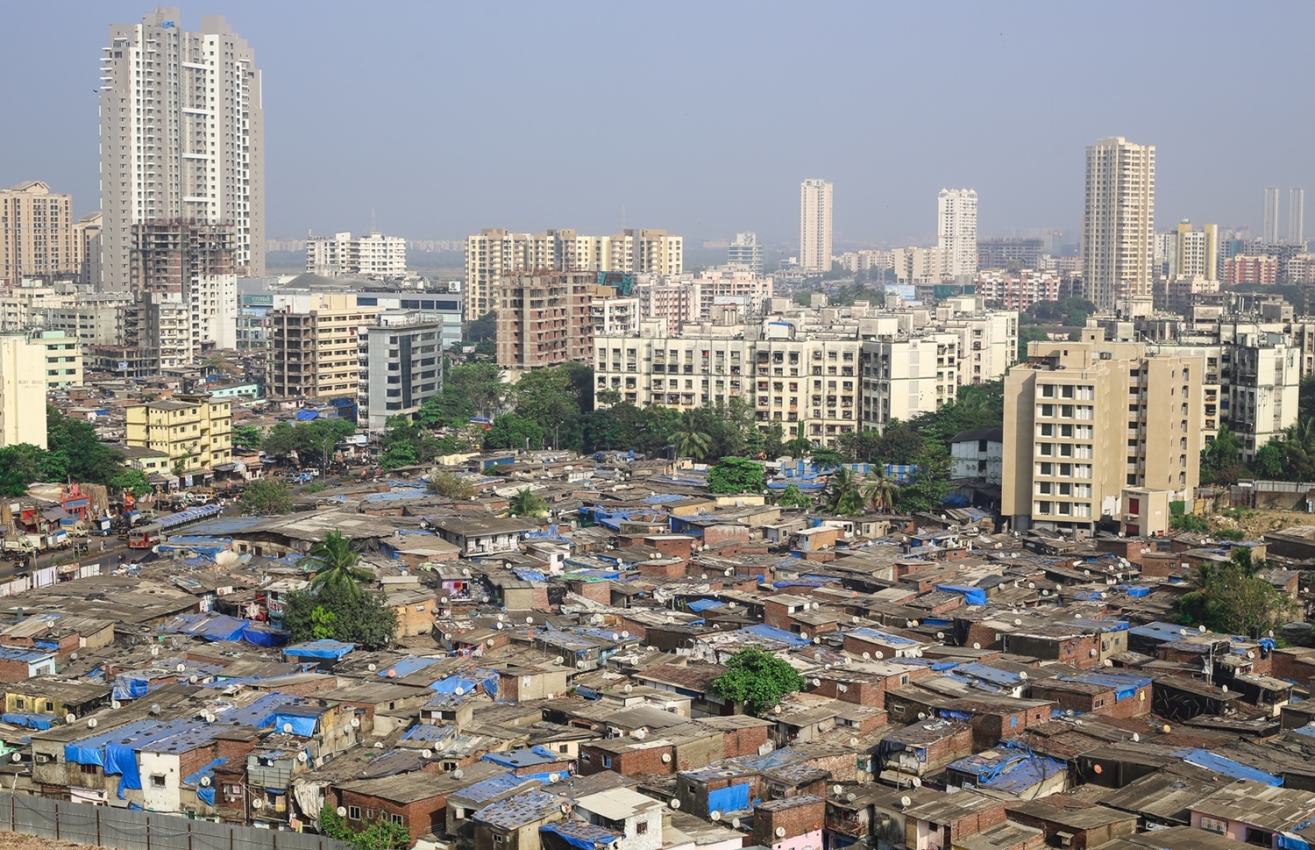
Inequality is not a distant problem. It is visible in every city, street and screen. Yet it often goes unnoticed. The middle class looks away, buffered by relative comfort. The rich, who benefit most from the system, dismiss concerns. Meanwhile, people living in poverty are too preoccupied with survival to pause and reflect, as Chaplin’s factory worker does in Modern Times, swallowed by the machine.
The numbers are staggering. Just 10 per cent of the global population controls 90 per cent of the wealth. The rest fight for scraps. Capital, another name for entrenched wealth, dominates almost every aspect of economic life. Countries chase GDP growth, a number that says little about people’s actual well-being. The media often turns poverty into a background blur, treating it as old news. This is not just an Indian story. Inequality is now a global condition. Despite warnings from Nobel Prize-winning economists and international institutions, meaningful solutions remain elusive. If policy alone could fix inequality, it would have done so long ago. Its persistence now appears not merely entrenched but increasingly accepted.
Engines of Inequality
The roots of inequality lie in three main forces: inheritance, capital and systemic privilege. In India, wealth passes from one generation to the next without an inheritance tax. In the United States and the United Kingdom, inheritance taxes exist but are often circumvented. Those who inherit wealth usually enjoy elite education, healthcare and social safety nets regardless of whether they possess the drive or ability that created the wealth in the first place. Privilege becomes invisible when it is all that someone has known.
Capital, once accumulated, multiplies itself. Billionaires earn passive returns that can exceed a middle-class worker’s lifetime income. They obtain cheaper credit, dominate markets and shape narratives. Take a brand such as Colgate. Its financial strength ensures visibility and pricing advantages that smaller competitors can rarely match. Speculation, crony capitalism and corporate-political collusion further skew the system. While corruption is condemned in theory, it is rarely punished in practice. The result is a closed loop of influence and immunity at the top.
Myth of Equal Opportunity
We love rags-to-riches stories. But these are outliers, not the norm. A child born into poverty, with illiterate parents and a failing education system, needs almost superhuman effort to succeed. Maybe one in 100,000 manages that leap. Yet the middle class often uses these rare cases to defend the system: “If one person made it, why cannot everyone else?”
In reality, such stories do not challenge inequality; they often serve to reinforce the belief that the system works. Bill Gates and Mark Zuckerberg are frequently cited as university dropouts who became billionaires. But most people who leave education early do not become billionaires; they struggle to survive.
Gandhi once said, “The world has enough for everyone’s need, but not for everyone’s greed.” That observation remains as relevant today as ever.
Redistribution: A Thought Experiment
Imagine a radical scenario in which all wealth were redistributed equally. In India, this could mean around ₹18,000 per family per month, enough to live with basic dignity. Would people stop working? Unlikely. Those on lower incomes would still work, driven by both necessity and self-respect. The more insulated and aspirational middle class might struggle more with such a change. Redistribution would not eliminate inequality overnight. But it could give everyone a fair starting point and a basic level of security from which to build a better future. The goal is not to demonise the rich but to ensure that no one is condemned to indignity because opportunity is denied.
Employment, Not Handouts
Real solutions must focus on jobs, not charity. Governments are not benefactors; they have a duty to secure the welfare of their citizens. That means creating employment, providing training and expanding access to capital. Yet the country appears to be moving in the opposite direction. The number of jobs generated per crore of investment in India is falling. Automation is replacing people even in a country with abundant human labour. Why not incentivise industries that generate employment? One proposal is to tax companies that employ fewer workers relative to their scale, encouraging more labour-intensive models. Subsidies, too, should be linked to unemployment rather than solely to income. In the United States, unemployment insurance is tied to employment status. India needs a similar approach that recognises work as central to human dignity.
Lessons from History
In the United States, inequality peaked before the Great Depression. Franklin D. Roosevelt’s New Deal, with aggressive taxation and welfare measures, reduced it significantly. At one point, the top marginal tax rate exceeded 90 per cent. The wealth gap narrowed and the economy expanded. Since the 1960s, however, deregulation and tax cuts have contributed to the return of extreme inequality. History suggests that inequality is neither fixed nor inevitable. It is shaped by policy, politics and public choices, and can be reshaped by them.
A Call to Wake Up
Inequality is no longer just an economic issue. It is also a moral and existential one. Structural inequality cannot be addressed through charity or blind faith in markets alone. It requires systemic reform that prioritises labour, dignity and opportunity. The middle class also has a crucial role to play. Its silence helps sustain the divide. It has the numbers, the influence and the civic responsibility to demand a fairer society. Correcting inequality may seem impossible, just as the fall of the Berlin Wall once did. History reminds us that no system lasts forever. Change begins when enough people decide that the existing order can no longer be accepted.