


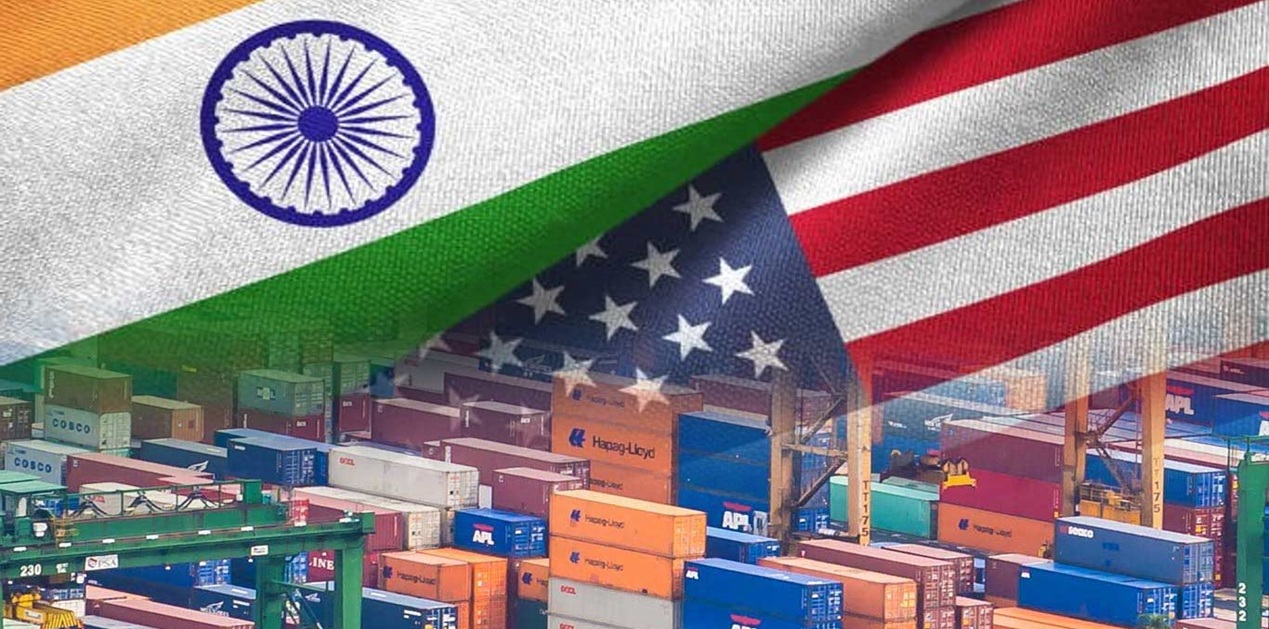
The United States’ imposition of a sweeping 25% tariff on Indian imports may end up inflicting more pain on American households than on Indian exporters, according to a stark assessment by the State Bank of India’s research wing. The move, intended as economic pressure to deter India’s continued ties with Russia, could fuel inflation, erode US household incomes, and increase costs across multiple sectors, the report said.
“The 25% tariff is a bad business decision,” said the SBI Research report, calling it a short-sighted trade action that could “[boomerang]” on the American economy. “In the absence of supply chain re-optimisation or domestic substitution, the tariffs could push US inflation up by 2.4%.”
Using a standard pass-through framework, SBI economists estimate the tariffs will lead to a 2.4% increase in US consumer price inflation in the short term and 1.2% in the long term, with particularly sharp impacts in sectors such as electronics, auto components, textiles, and household goods. The GDP impact is estimated at 40 to 50 basis points, dragging down growth in 2025–26.
But it is the American consumer who may feel the deepest sting. The report projects that the tariffs will cost the average US household around $2,400 annually due to higher consumer prices, with low-income families losing up to $1,300—nearly triple the relative burden compared to wealthier households.
“This is not just a trade move; it is a direct hit to household budgets,” the SBI report said. “Higher prices on essential goods such as apparel, footwear, and electronics will disproportionately impact working-class Americans.”
Drug Costs in the US May Climb
While pharmaceutical drugs and APIs were excluded from the tariff list in a last-minute exemption, Indian industry leaders are warning of indirect fallout.
“These duties may interrupt the smooth flow of trade, inflate US drug costs, stall treatments, and place even greater pressure on American healthcare budgets,” said Sanjaya Mariwala, Executive Chairman of OmniActive Health Technologies. “India is not just a key supplier of generics to the US; we are part of the backbone of affordable global healthcare.”
India supplies nearly 47% of US generic drugs, according to SBI Research. While exports of finished medicines and APIs are exempt, supply chains for critical ingredients and packaging materials remain vulnerable—potentially increasing production costs and reducing the availability of affordable treatment options in the US.
Tariffs Likely to Worsen Income Inequality
The inflation burden from higher tariffs will weigh heaviest on American families already struggling with the cost of living. The SBI analysis warns that low-income groups will suffer a threefold greater loss in disposable income relative to high earners.
“This inflation spike will not be evenly distributed,” the report notes. “The poorest will pay the highest price for protectionist politics.”
US Demand May Suffer More
A separate estimate by Ajay Srivastava of the Global Trade Research Initiative (GTRI) pegs the potential decline in Indian exports to the US at 30% in FY26—down from $86.5 billion to $60.6 billion. However, experts caution that American buyers could still end up paying more.
“Pharmaceuticals, electronics, textiles—these are all sectors where India has helped make US supply chains cheaper and more efficient,” said Shashi Mathews, partner at CMS IndusLaw. “Tariffs won’t stop demand, but they will raise prices.”
Mathews added that for sectors such as textiles—where Vietnam will face only a 20% tariff—India’s 25% rate creates a competitiveness gap, but one that American importers may still struggle to bridge without higher costs.
Political Timing and Strategic Costs
SBI also sees domestic politics playing a role in Washington’s aggressive posture. The report links the tariff decision to President Trump’s low approval ratings and increasing pressure ahead of the 2026 midterm elections, suggesting that trade has become a domestic campaign tool rather than a strategic lever.
“In a multipolar, fractured world order, such unilateralism weakens the spirit of global democracy,” the report says.
Despite the tariff hike, India’s exports to the US actually rose to 22.4% of total outbound shipments so far in FY26, up from 20% in FY25. But the SBI report warns that post-October 5, when the transitional window for lower tariffs closes, prices will sharply rise across key goods.
American Consumers May Pay the Price
As the full impact of the 25% tariff unfolds, experts caution that the US administration may find itself politically cornered if consumer prices surge and strategic sectors such as healthcare and electronics begin to feel the pinch.
“The thumb rule of global business is simple—source and sell where rewards outweigh risks,” SBI Research concluded. “Disrupting this logic will only distort the global order—and hurt the American wallet in the process.” (SWH)

