


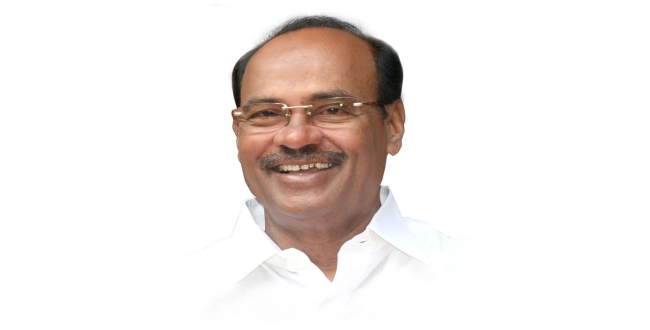
B. Srikumar
A sudden and dramatic rift between Pattali Makkal Katchi (PMK) founder Dr S. Ramadoss and his son, party president Dr Anbumani Ramadoss, has spilled into the public eye, sending shockwaves through the party and confusing cadres and observers alike. The timing and nature of the fallout have sparked intense speculation and raised concerns about the party’s direction and future in Tamil Nadu’s dynamic alliance-driven political landscape.
The discord appears to have surfaced following the 2024 Lok Sabha elections, in which the PMK allied with the Bharatiya Janata Party (BJP)-led NDA in Tamil Nadu. The alliance failed to yield electoral benefits, and the PMK was unable to make any significant impact, triggering dissatisfaction among senior leaders, especially S. Ramadoss. While Anbumani has been keen on modernizing the party and expanding its relevance beyond its traditional Vanniyar vote base, the elder Ramadoss reportedly remains rooted in a purist vision of the party, strongly opposing certain ideological and strategic compromises, especially with the BJP.
The tensions reportedly escalated after a series of internal meetings where differences in strategy and political alignment turned into visible confrontations. Matters became public when the senior Ramadoss, in an unusual and pointed press release, openly criticized Anbumani’s decisions, leadership style, and his closeness with the BJP. This unprecedented move shattered the image of a tightly controlled family-run party.
This familial and ideological clash has left PMK in a delicate position. The party, known for its disciplined structure and centralized leadership under the father-son duo, now faces a crisis of credibility. Cadres are divided — while some remain loyal to the founding patriarch S. Ramadoss, others back Anbumani, who is seen as the future face of the party and a more pragmatic strategist. Internal communications suggest confusion and low morale, especially among district-level leaders.
The rift also risks eroding the party’s traditional support base among the Vanniyar community, which has historically backed the PMK in blocs. If the split widens or persists, it could create space for rival parties, particularly the DMK, to attract disillusioned sections of PMK supporters.
S. Ramadoss has long been sceptical of an alliance with the BJP, primarily because of the perception that the BJP’s ideological stance is at odds with Tamil Nadu’s regional political culture and secular ethos. He has warned that aligning too closely with the BJP could alienate PMK’s grassroots supporters and damage its identity as a Tamil-centric party. His resistance is rooted not only in political pragmatism but also in a deep concern that PMK may lose its independent voice under the shadow of a national party.
The BJP is reportedly alarmed by the open rift in the PMK. With its limited footprint in Tamil Nadu, the BJP views PMK as a crucial regional ally that can help mobilize community-based votes. Senior BJP leaders have already reached out to both Ramadoss and Anbumani in a bid to resolve the conflict. Their interest is pragmatic: a fragmented PMK weakens the NDA in Tamil Nadu, while a united front offers the BJP some hope in a state where it struggles to gain traction.
The ruling DMK and its allies are quietly watching these developments with interest. The PMK’s internal crisis could prove advantageous to the DMK-led front. In several northern Tamil Nadu constituencies, the PMK’s strength has been the biggest obstacle for the DMK. A weakened or divided PMK may lead to a split in votes in favour of the DMK, especially among Vanniyar voters. Moreover, the conflict in the PMK reinforces the DMK’s narrative of a “divided and directionless opposition,” helping them consolidate their electoral ground.
The fallout between S. Ramadoss and Anbumani is more than just a family dispute — it is a moment of reckoning for the PMK. Whether the party can recover and reunite under a single vision or disintegrate under the weight of its contradictions remains to be seen. As the 2026 Assembly elections approach, the direction the PMK takes could influence broader political realignments in Tamil Nadu.

