



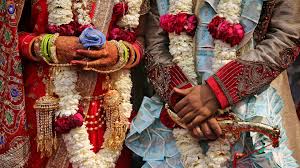
A growing number of young Indians are hosting lavish wedding ceremonies – minus the legal vows, lifelong commitments, or even romantic relationships. What’s driving this spectacle of staged shaadis?
By Gargee Bardoloi
Under a canopy of fairy lights in suburban Bengaluru, the “bride” walks down the aisle in a hand-embroidered lehenga, her face glowing with highlighter and excitement. The groom stands at the altar in a designer sherwani. Guests cheer, rose petals are tossed, and Bollywood music fills the air. Except — there is no actual marriage. The couple aren’t dating, no legal documents have been signed, and by midnight, they’ll be back in their respective homes, unmarried and carefree. Welcome to the world of fake weddings, a rapidly growing Gen Z trend that blends performance, tradition, and social media theatrics.
Fake weddings, or staged shaadis, are fully orchestrated wedding ceremonies that include everything from mehndi and sangeet to mock rituals and wedding photographers — but are entirely non-binding. They are events without legal or romantic weight, thrown purely for fun, friendship, content creation, or a satirical take on tradition. And Gen Z is driving the trend with unmatched enthusiasm.
While hard data remains limited, several estimates and indicators reflect the growing popularity of this phenomenon:
- A 2024 survey by YouthBeat India found that 1 in 7 urban Indian Gen Z respondents (ages 18–26) had either participated in or attended a staged wedding in the past two years.
- TikTok and Instagram Reels under hashtags like #FakeShaadi, #NotReallyMarried, and #WeddingForTheGram have garnered over 60 million combined views globally.
- Event planners in Delhi, Mumbai and Bengaluru confirm a 30–40% increase in enquiries about “mock wedding packages”, especially among college students and influencers.
Voices from the Aisle
“I’ve always wanted to be a bride–just not a wife,” jokes Aanya Bhargav, 23, who recently hosted a fake wedding with her best friend in Mumbai. “We had haldi, dhol, dancing uncles, the works. It was about friendship and fun—and yes, the pictures were stunning.”
For many, these weddings serve as a playful escape from societal pressure, and a way to reclaim the grandeur of Indian weddings — without the expectations of gender roles, lifelong commitment, or family politics.
“It’s like cosplay meets cultural celebration,” says Ishaan Mehta, 25, who has been a ‘groom’ twice. “We write vows, pose for photos, and party. It’s cheaper than a Goa trip and more entertaining than a club night.”
Why It’s Catching On
Several factors explain the appeal:
- Visual Culture: In the age of Instagram and YouTube, experiences that can be photographed, edited, and posted carry social capital. A fake wedding offers high production value and viral potential.
- Commitment Anxiety: With rising divorce rates, economic instability, and changing views on love, many young people feel sceptical about marriage. This lets them play with the idea without the risk.
- Satirical Rebellion: Gen Z is known for its ironic detachment. Fake weddings often parody over-the-top Indian marriages, mocking societal obsession with rituals, spending, and appearances.
Is This Just an Indian Thing?
Not at all. While India’s wedding industry makes it a natural hotspot, fake weddings are gaining traction globally:
- In Japan, “solo weddings” have become popular among young women who want the bridal experience without marrying.
- In South Korea, companies offer “mock weddings” for couples to rehearse or just enjoy the day without commitment.
- In the US and UK, some influencers stage weddings for viral content, even going so far as to hire actors to play guests.
Critics and the Cultural Debate
Traditionalists see the trend as flippant or even disrespectful.
“Marriage is sacred,” says social commentator Dr Anjali Dutta. “Faking it for fun reflects how detached some youth are from emotional or cultural responsibility.”
But participants push back.
“We’re not mocking tradition — we’re reinventing it,” Aanya says. “It’s our way of celebrating joy, not obligation.”
As marriage itself evolves — delayed, redefined, or declined altogether — fake weddings offer a telling window into how Gen Z imagines love, commitment, and celebration. In a world of curated reality, a staged wedding is not deception — it’s theatre. And for this generation, that’s just as good as the real thing.