

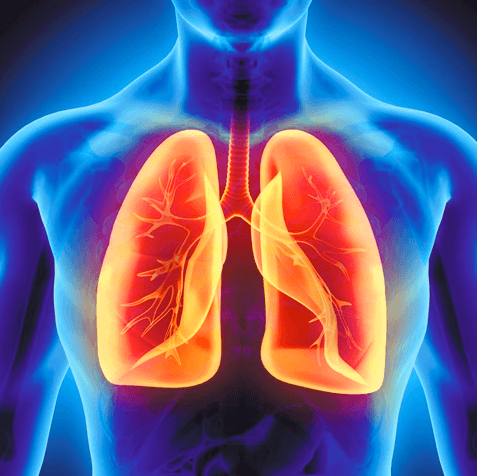
India is witnessing a marked rise in respiratory and lung diseases. This rise is being fuelled by recurrent seasonal viral outbreaks, persistently hazardous levels of air pollution, a substantial underlying burden of chronic respiratory disease, and the enduring pulmonary sequelae observed in patients recovering from COVID-19.
This article explains the causes, warning signs, diagnosis, management and prevention of lung disease in clear, accessible language, supported by scientific evidence from Indian studies.
Why Lung Diseases Are Increasing in India
1. A High Background Burden of Chronic Disease
Indian data show that chronic respiratory illness already represents a substantial health burden. A pooled analysis of Indian studies estimates that approximately 7–7.4% of adults suffer from Chronic Obstructive Pulmonary Disease (COPD), placing millions at increased risk of infections and acute flare-ups.
2. Air Pollution
Air pollution is a major contributing factor. Analyses based on Global Burden of Disease data estimate that ambient PM2.5 pollution is responsible for hundreds of thousands of premature deaths in India each year. It is strongly associated with COPD, pneumonia and lung cancer.
3. Seasonal Viral Infections
Seasonal viral infections such as influenza and respiratory syncytial virus (RSV) continue to circulate widely across the country. Hospital-based surveillance using multiplex PCR testing has demonstrated high viral positivity during winter and monsoon seasons, explaining the seasonal surge in fever, cough and pneumonia cases.
4. Post-COVID Lung Disease
Post-COVID lung complications are an emerging concern. Follow-up studies from Indian hospitals have documented persistent breathlessness and structural lung changes on CT scans months after recovery in a subset of patients, particularly those who experienced severe COVID-19.
5. COVID-Associated Mucormycosis
India also experienced a surge in COVID-associated mucormycosis during the pandemic. Indian case series linked this complication to uncontrolled diabetes and inappropriate steroid use, highlighting the importance of careful and supervised medication.
Common Causes and Symptoms
| Cause | Who Is at Risk | Common Symptoms |
| Viral infections (influenza, RSV) | Children, older adults, patients with chronic illness | Fever, cough, cold, breathlessness |
| Bacterial pneumonia | Older adults, diabetics, smokers | High fever, chest pain, productive cough |
| COPD / asthma | Smokers, biomass fuel users | Chronic cough, wheeze, breathlessness |
| Post-COVID lung disease | Survivors of severe COVID-19 | Persistent breathlessness, dry cough |
How Lung Diseases Are Diagnosed
Doctors begin with a clinical examination and detailed history, including symptoms, smoking status, exposure to pollution, and existing medical conditions.
Simple and widely available tests in India include:
- Pulse oximetry
- Chest X-ray
- Basic blood tests
If symptoms persist or are severe, additional investigations may include:
- Sputum examination
- CT scan of the chest
- Pulmonary function tests
Patients with ongoing breathlessness after COVID-19 often require CT imaging and lung function testing to assess residual damage.
Management and Treatment
Mild Illness
Most mild viral infections can be managed at home with:
- Adequate rest
- Fluids
- Paracetamol for fever
- Symptom monitoring
Antibiotics are not required unless a bacterial infection is confirmed.
Moderate to Severe Disease
More serious illness may require hospital admission for:
- Oxygen therapy
- Antibiotics (if bacterial infection is confirmed)
- Antivirals (where appropriate)
- Steroids under medical supervision
Chronic Lung Disease
Patients with COPD or asthma should continue prescribed inhalers regularly. Indian studies demonstrate that good inhaler adherence and vaccination significantly reduce hospitalisation rates.
Post-COVID Lung Disease
Management may include:
- Specialist follow-up
- Pulmonary rehabilitation
- Targeted medication based on severity
Dos and Don’ts for Patients
| Dos | Don’ts |
| Monitor oxygen levels where possible; seek care if SpO₂ is below 94% | Do not self-medicate with antibiotics or steroids |
| Control diabetes and other chronic conditions | Do not ignore persistent breathlessness or high fever |
| Receive influenza and pneumococcal vaccines if advised | Do not smoke or use biomass fuels indoors |
| Avoid polluted environments and indoor smoke | Do not delay medical care in severe symptoms |
When to Seek Emergency Care
Seek urgent medical attention if there is:
- Severe breathlessness
- Bluish lips or face
- Confusion
- Oxygen saturation below 90%
- Sudden worsening of symptoms
Awareness Is the First Line of Defence
Scientific evidence from India clearly indicates that lung disease is an escalating public health challenge. Early recognition of symptoms, improved air quality, vaccination, and responsible medication use can significantly reduce risk.
Patient awareness and timely medical care remain the most effective safeguards against serious complications.