


The last time Bangladesh held its freest, fairest, and inclusive national elections was in December 2008, when ousted Prime Minister Sheikh Hasina’s Awami League party won a decisive victory. Since then, the South Asian nation, known for its political turmoil, has witnessed three more parliamentary elections – all swept by Hasina’s party – amid boycott by main opposition parties and allegations of widespread vote fraud.
Hasina’s sham victory in the last polls in January 2024, which deprived millions of young, newly enrolled voters of their first chance to choose their representatives, had largely contributed to alienating her from the people. The university students who orchestrated the anti-Hasina agitation in the name of ending discrimination in government jobs leveraged the simmering public anger that finally exploded into a mass uprising on August 5 last year, leading to the collapse of Hasina’s government, and ending more than 15 years of her authoritarian rule.
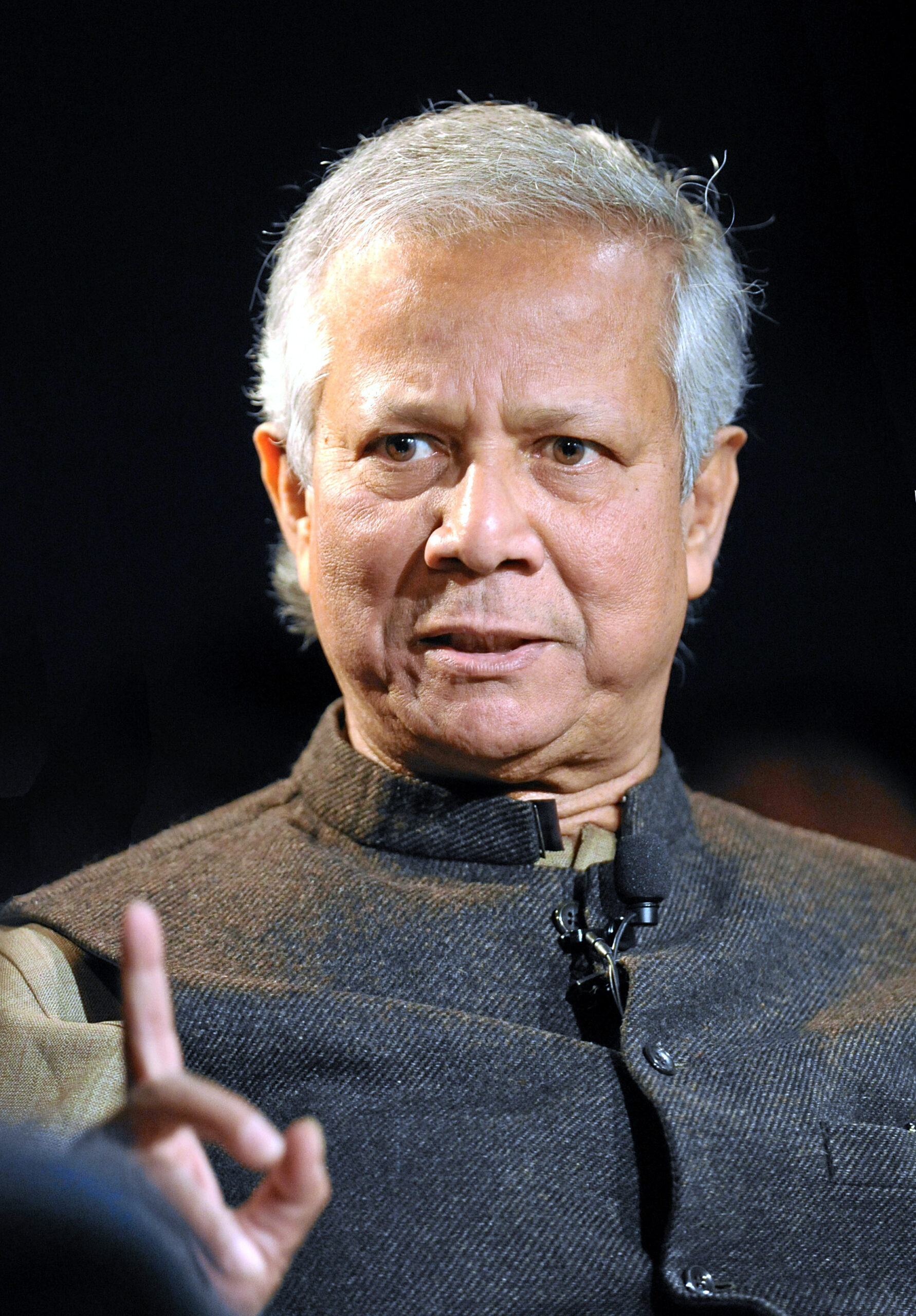
But even with Hasina’s ouster, Bangladesh’s quest for democracy and the right to choose their government through the ballot remains. To quench that thirst, Bangladeshis are now looking towards the country’s interim leader, Nobel Peace Prize winner Professor Muhammad Yunus. Whether Bangladeshis, especially the new young voters, will get a chance to flock to the polling centres and exercise their verdict freely depends on Yunus and his advisers.
Election, however, has not been the only issue for Yunus, who prepares to celebrate the first anniversary of his interim administration in August. Since he took over as the country’s de facto prime minister with the official title of chief adviser, Yunus laid emphasis first on reforms and justice for the July-August carnage before the next elections could be held. True to his promise, the 84-year-old interim leader has initiated steps to reform the country’s 1972 Constitution, judiciary, election system, anti-corruption agency and police. Yunus’s government has also started the process of holding a trial of former Prime Minister Sheikh Hasina and several others on charges of crimes against humanity by a revamped International Crimes Tribunal (ICT), the same tribunal that tried and executed several top leaders of the radical Islamic party, Jamaat-e-Islami, during Hasina’s rule. Ironically, the lawyer who represented the Jamaat leaders has now been appointed as the chief prosecutor of the tribunal. Hasina’s trial formally started on June 1.
While reforms have progressed at a snail’s pace, consensus is in the doldrums, and the tribunal plunged into controversy, Yunus finally announced a comparatively firm outline for the next elections. It will be in the first half of April next year. The announcement was made during a 39-minute Eid-ul-Azha speech recently. “We want the largest number of voters, the largest number of candidates to participate in the next elections. Let it be remembered by the nation as the freest, fairest and impartial elections.”
The goal sounds lofty, and not without hurdles. Bangladesh Nationalist Party (BNP), currently the largest party, has rejected Yunus’s April poll pitch, raising some serious concerns. BNP Secretary General Mirza Fakhrul Islam Alamgir explains why April is not suitable for holding polls in Bangladesh. He cites scorching summer heat, public exams and above all Ramadan, the Islamic month of fasting, in support of the party’s stand. Instead, the party insists on holding the vote by December this year, a view also held by the country’s powerful Army Chief General Waker-Uz-Zaman.
But Jamaat, the party that collaborated with Pakistan during Bangladesh’s 1971 War of Liberation, has hailed Yunus for the announcement of polls in April, which was also its suggestion. Meanwhile, the National Citizen Party (NCP), the platform launched by the student leaders of the July 2024 uprising and known for its closeness to the interim government, insists on completing the reforms and Hasina’s trial before the next elections. The other big issue about which little is being said publicly is about banning Hasina’s party from contesting the polls. Will an election without the participation of one of the country’s oldest parties be acceptable? Will such an election help stabilise the country at a time when it is most needed?
Interestingly, critics of the BNP and the army chief are trying to drag India into the country’s election politics. They use social media to spread lies and colour the BNP and even the army chief as pro-Indian, just because they want the election before December. India has repeatedly insisted that it considers Bangladesh’s next election as its internal matter, and New Delhi has no desire to meddle in it. Having said so, New Delhi has also made it clear that any substantive discussion with Dhaka on major bilateral issues can only be held with an elected government. There has recently been a campaign to paint BNP’s influential leader Salahuddin Ahmed, as an agent of India’s spy agency RA&W simply because he has been vocal about the next polls by this December. Ahmed returned home after Hasina’s fall last year, having spent nine years in Shillong. No matter whether it likes it or not, India continues to be a factor in Bangladesh, even as doubts remain over the next general elections.
(The author is Advisory Editor of United News of Bangladesh and former Dhaka Correspondent of The Associated Press)