



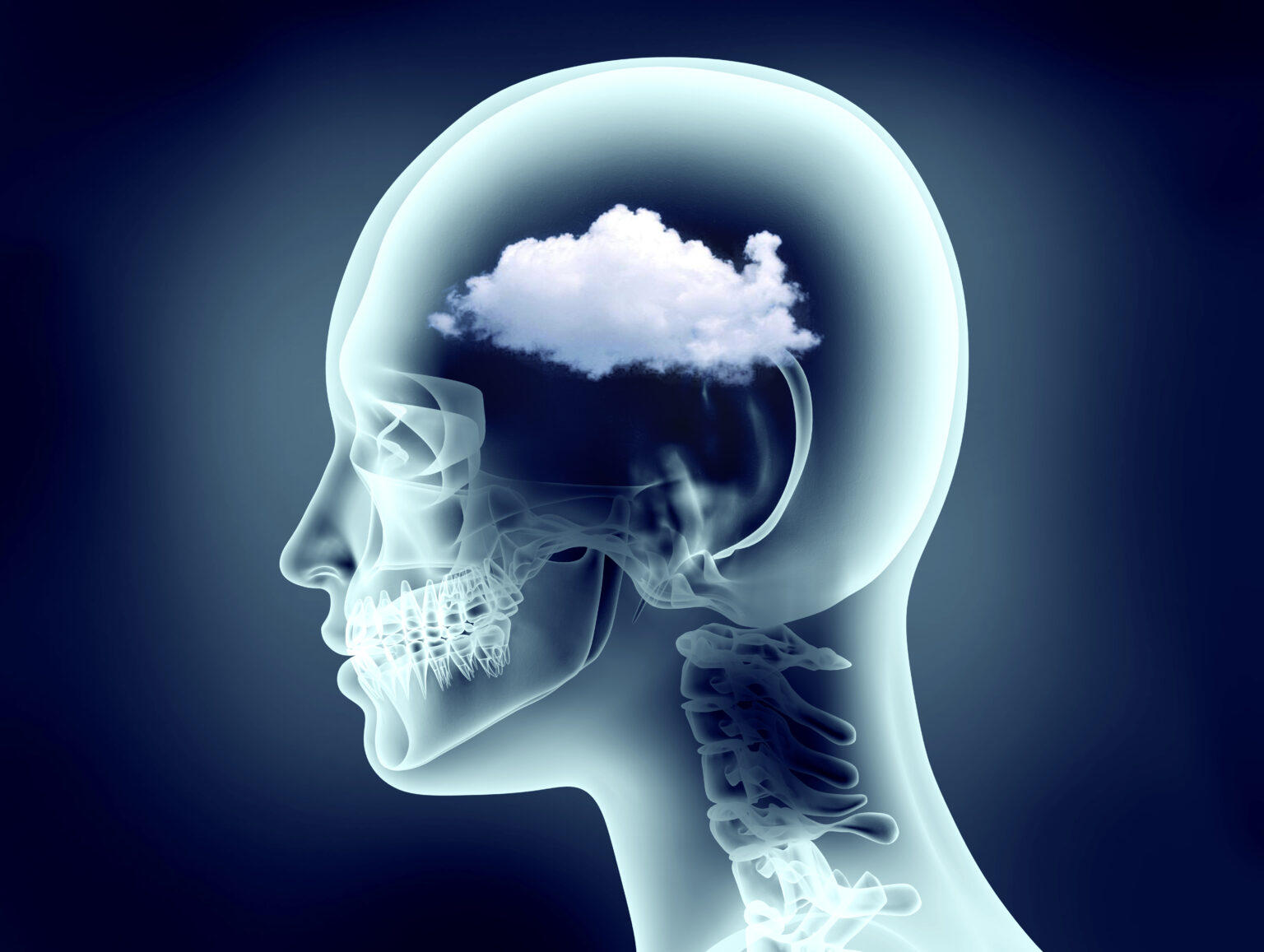
What is Brain Fog?
Brain fog is a common condition in which thinking feels slow, unclear, or mentally exhausting. In India, long working hours, chronic sleep deprivation, widespread nutritional deficiencies, rising diabetes, and post-viral fatigue have made brain fog increasingly prevalent across age groups.
Brain fog refers to a cluster of cognitive symptoms that include difficulty concentrating, forgetfulness, slowed thinking, mental fatigue, and problems with word retrieval. It is usually reversible and reflects functional rather than structural changes in brain function.
Why does Brain Fog Occur?
Brain fog occurs due to low-grade inflammation, reduced brain energy production, imbalance of neurotransmitters, hormonal disturbances, and disrupted sleep architecture. These factors impair the brain’s ability to process information efficiently, leading to mental fatigue and slowed cognition.
Major Risk Factors Linked to Brain Fog in India
| Risk Factor | Estimated Prevalence in India | Clinical Relevance |
| Vitamin B12 deficiency | 50–70% of adults | Impaired attention and memory |
| Iron-deficiency anaemia | Around 50% of women | Fatigue and poor concentration |
| Vitamin D deficiency | 70–90% of urban adults | Neuro-immune dysfunction |
| Diabetes and insulin resistance | 11–13% of adults | Cognitive slowing |
| Chronic sleep deprivation | Over 40% of urban adults | Reduced alertness and memory |
What do Clinical Studies Show?
Key Clinical Evidence on Brain Fog
| Study | Population Studied | Key Findings |
| Hampshire et al., 2021 | Post-COVID adults | Reduced attention, memory, and processing speed |
| Graham et al., 2021 | Long-COVID clinic patients | Brain fog reported in nearly 65% of cases |
| Indian post-COVID clinics | Recovered COVID-19 patients | Persistent fatigue and impaired focus |
How do Doctors Evaluate Brain Fog?
Common Medical Tests Used in Evaluation
| Test | Purpose |
| Complete blood count | Detection of anaemia |
| Vitamin B12 and folate levels | Identification of deficiencies |
| Iron studies | Assessment of iron stores |
| Thyroid function tests | Exclusion of hypothyroidism |
| HbA1c | Assessment of long-term blood sugar control |
| Vitamin D levels | Detection of deficiency |
Indian Dietary Examples for Brain Health
Everyday Indian Meals that Support Cognitive Function
| Meal | Examples | Brain Benefit |
| Breakfast | Paneer bhurji, omelette, sprouts chaat, idli with sambar | Protein and B-vitamin support |
| Lunch | Dal-rice-sabzi, rajma with roti, fish curry | Sustained energy and glucose stability |
| Dinner | Light dal, vegetables, tofu or paneer stir-fry | Improved sleep and overnight recovery |
Role of Supplements (When Medically Advised)
Supplements Commonly Used in Brain Fog
| Supplement | Evidence Level | Clinical Benefit |
| Vitamin B12 | Strong, when deficient | Improved cognition and nerve function |
| Iron | Strong, when anaemic | Reduction in fatigue |
| Omega-3 fatty acids | Moderate | Support for memory and brain health |
| Magnesium | Moderate | Better sleep quality |
| Citicoline | Moderate | Improved attention and mental processing |
Final Words
Brain fog is common but not inevitable. In most cases, it is reversible. Identifying underlying medical causes, correcting nutritional deficiencies, and improving sleep, diet, and physical activity can restore mental clarity, productivity, and overall quality of life.