



It begins with what feels ordinary. A child returns home in the peak of summer with a headache and fatigue. His mother blames the heat. An elderly neighbour develops severe dehydration after episodes of loose motions. A young office worker recovers from a fever, only to discover that it is dengue, weeks before the monsoon.
These are no longer isolated summer events. They reflect a changing health reality in India. Global warming, prolonged heatwaves, erratic rainfall, urban heat islands, and water stress are amplifying common summer illnesses.
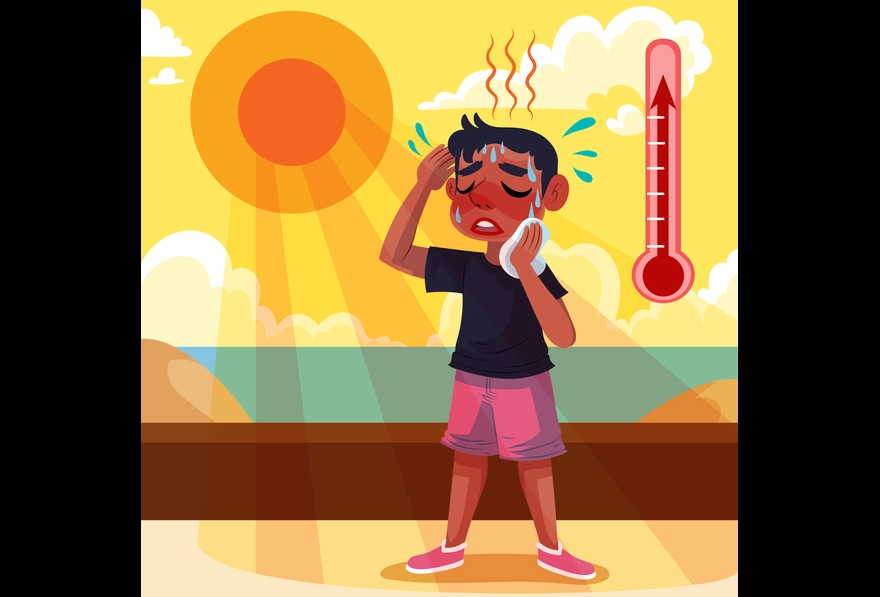
Heat illness is now a silent summer emergency. Heat exhaustion and heat stroke can progress rapidly to organ damage and death. Beyond classic heat stroke, extreme heat worsens dehydration, kidney stones, urinary infections, and cardiovascular stress.
Water-borne diseases surge in summer through unsafe storage, food spoilage, and sanitation challenges. Diarrhoea, typhoid, cholera, hepatitis A, and food poisoning remain major threats, particularly in children.
Mosquito-borne diseases are no longer confined to the monsoon. Warmer temperatures allow earlier and longer transmission of dengue, chikungunya, and malaria, extending risk into summer.
Respiratory and skin diseases also rise. Heat, dust, and pollution worsen asthma and COPD, while fungal and bacterial skin infections increase in hot, humid conditions.
A major but under-recognised problem is the deterioration of existing illnesses. Heat can destabilise chronic diseases. In heart disease, a higher heat load increases cardiac strain. In diabetes, dehydration can worsen glucose control and raise infection risk. In kidney disease, heat stress may precipitate acute injury. Asthma and COPD often flare. Even medications such as diuretics or anti-hypertensives can increase vulnerability.
Those at highest risk include children, older adults, outdoor workers, pregnant women, and people with chronic diseases.
Prevention is increasingly a matter of climate adaptation: hydration, safe water, food hygiene, mosquito control, avoiding peak heat exposureand early recognition of warning signs.
The larger story is this: summer illnesses in India are no longer just a seasonal inconvenience. They are increasingly climate-sensitive health risks. In many cases, the greatest danger of summer is not the illness it causes, but the illness it silently worsens.
(Dr Anish Desai is a healthcare entrepreneur. He is leading IntelliMed Healthcare Solutions)