

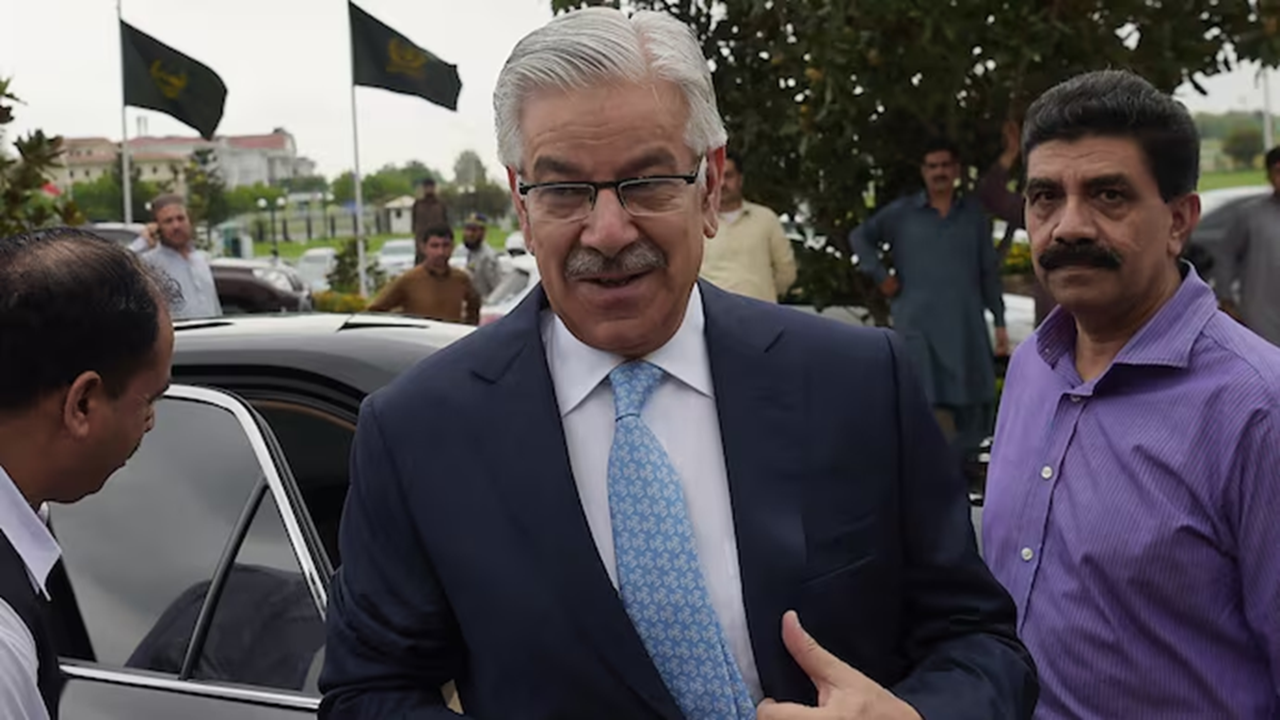
Khawaja Asif warns Pakistan will destroy any Indian structure diverting Indus waters, escalating tensions after India suspended the treaty post-Pahalgam attack.
By New Delhi Post Desk
New Delhi: Pakistan’s Defence Minister Khawaja Asif has issued a provocative warning, stating that any Indian structure built to divert water from the Indus River system would be destroyed, labeling such actions as “aggression against Pakistan.” This comes after India suspended the Indus Waters Treaty on April 22, 2025, hours after a terror attack in Pahalgam killed 26 civilians, blaming Pakistan for supporting cross-border terrorism.
Asif’s Aggressive Rhetoric
In an interview, Asif reiterated that diverting Pakistan’s share of Indus waters, which supports 80% of its agricultural land, would be seen as a “face of aggression.” He stated, “Even if they (India) made an architectural attempt of this kind, then Pakistan will destroy that structure.” His remarks follow similar threats from Pakistani leaders, including PPP chief Bilawal Bhutto-Zardari, who warned, “Either our water or their blood will flow,” and Prime Minister Shehbaz Sharif, who called any water diversion an “act of war.”
India’s Treaty Suspension and Limitations
India’s decision to suspend the 1960 Indus Waters Treaty, which allocates the Indus, Jhelum, and Chenab rivers primarily to Pakistan, was a retaliatory measure after the Pahalgam attack. The suspension allows India to explore options for using these waters, but experts note that India lacks the infrastructure to significantly divert or store water from these rivers. Existing dams, like Baglihar and Salal, are not designed for large-scale diversion, limiting immediate impacts on Pakistan’s water supply.
BJP Dismisses Threats as Hollow
Responding to Asif’s remarks, BJP national spokesperson Shahnawaz Hussain dismissed them as “hollow threats,” suggesting they reflect fear in Pakistan. “Khawaja Asif is visibly shaken… The fear among Pakistanis is evident. They are losing sleep at night,” Hussain said. India’s Jal Shakti Minister CR Patil further escalated the rhetoric, stating that India would ensure “not even a drop of water” reaches Pakistan, though technical constraints currently limit such actions.
Pakistan’s Legal and Military Posturing
Pakistan is preparing to challenge India’s treaty suspension through international forums, with Minister of State for Law and Justice Aqeel Malik indicating that legal consultations are nearly complete. Asif’s threats of military action against Indian infrastructure align with Pakistan’s broader narrative, with its top generals blaming the Pahalgam attack on India’s “governance failures” and vowing readiness to counter any threats.
Regional and International Implications
The treaty suspension has heightened fears in Pakistan, particularly among farmers reliant on the Indus for irrigation. While satellite imagery shows no immediate disruption to river flows as of April 30, 2025, the long-term threat of India developing diversion infrastructure looms large. The U.S. has urged de-escalation, with Vice President JD Vance calling on Pakistan to cooperate in countering terrorism, while Defense Secretary Pete Hegseth expressed support for India.