


The first rains had finally arrived. Like millions across India, Rohan stepped onto his balcony with a cup of tea, breathing in the unmistakable scent of wet earth. The oppressive summer heat had disappeared overnight. Roads glistened, children splashed through puddles, and the city seemed to come alive once again.
A week later, however, the relief had given way to an unexpected problem. What began as mild itching between his toes soon spread to his groin. His wife developed a stubborn rash beneath her breasts, while his teenage daughter complained of worsening acne despite following her usual skincare routine. A visit to the dermatologist brought a familiar diagnosis: monsoon-related skin infections.
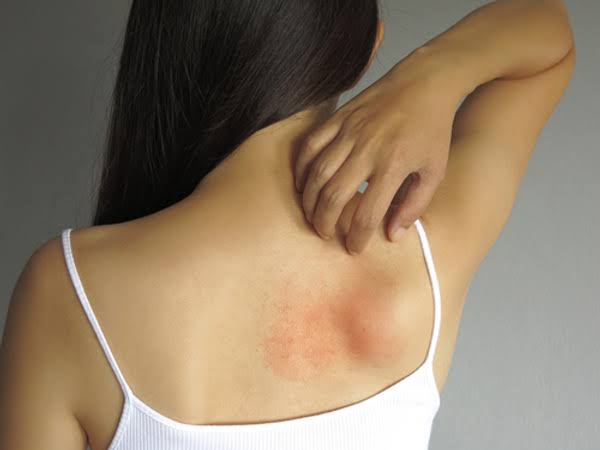
Their story is repeated in countless Indian households every year. While the monsoon is celebrated for bringing respite from soaring temperatures, it also creates ideal conditions for skin diseases. High humidity, excessive sweating, damp clothing, wet footwear and exposure to contaminated water can weaken the skin’s natural protective barrier. The result is a sharp increase in fungal infections, bacterial infections, eczema flare-ups, acne and other skin disorders.
India’s tropical climate already predisposes millions of people to skin infections, and the rainy season only amplifies the problem. Dermatologists frequently report a significant rise in outpatient visits during the monsoon, with superficial fungal infections among the most common reasons for consultation. Warm temperatures combined with humidity above 70 per cent allow fungi and bacteria to thrive, particularly in skin folds and other areas that remain moist for prolonged periods.
Why Monsoon Affects Skin
Healthy skin functions as a protective barrier against microbes. During the rainy season, prolonged exposure to moisture softens the outermost layer of the skin, a process known as maceration. Sweat also evaporates less efficiently in high humidity, leading to blocked sweat ducts, irritation and the overgrowth of microorganisms.
Frequent exposure to rainwater mixed with mud, sewage and environmental pollutants further increases the risk of infection. Tight clothing, synthetic fabrics, prolonged use of wet shoes and inadequate drying of the skin create ideal conditions for disease-causing fungi and bacteria.
Most Common Monsoon Skin Problems
- Fungal infections (including ringworm, athlete’s foot, jock itch and candidiasis)
- Bacterial infections (such as folliculitis, boils, impetigo and cellulitis)
- Acne flare-ups
- Eczema exacerbations
- Heat rash and intertrigo
- Foot infections and nail fungus
One major concern in India is the inappropriate use of over-the-counter steroid-containing combination creams. While these creams may temporarily reduce itching, they also suppress local immunity, allowing fungal infections to spread and become more difficult to treat.
Prevention Begins with Everyday Habits
Keeping the skin clean and completely dry after bathing or getting wet is one of the most effective preventive measures. Wet clothes should be changed immediately, natural cotton fabrics are preferable to synthetic materials, and feet should be dried thoroughly before putting on clean socks and well-ventilated footwear.
Personal towels, undergarments and footwear should never be shared. Maintaining adequate hydration, eating a balanced diet and avoiding self-medication with steroid-containing creams are equally important.
When Should You See a Doctor?
Seek medical attention if skin lesions spread rapidly, become painful, produce pus, are accompanied by fever, recur frequently, or fail to improve within one or two weeks. Individuals with diabetes should seek prompt medical evaluation for any foot wound or skin infection.
Take-Home Message
The monsoon transforms India’s landscape with lush greenery and welcome relief from the summer heat, but it also creates an ideal environment for skin diseases. A little extra attention to hygiene, moisture control, appropriate clothing and timely medical care can prevent most seasonal skin problems. Enjoy the rains, but don’t forget to take care of your skin.
(Dr Anish Desai is a healthcare entrepreneur. He is leading IntelliMed Healthcare Solutions)
