


India’s rise to a $4.2 trillion GDP, fueled by economic reforms, infrastructure growth, and digital innovation, marks a decade of change under PM Narendra Modi.
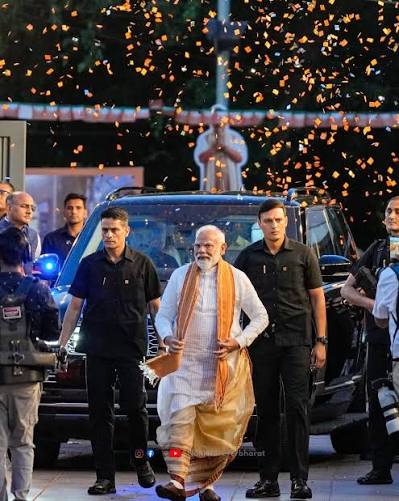
New Delhi – On June 9, 2025, Prime Minister Narendra Modi completes 11 years in office, steering India to the brink of becoming the world’s fourth-largest economy, surpassing Japan and eyeing Germany’s third spot. With an average growth rate of 6.4% since 2014, peaking at 7.4% recently, and inflation dropping from 9.4% in 2013-14 to 4.6%, the economy showcases resilience. This transformation spans infrastructure, digital governance, and poverty reduction.
Infrastructure Boom
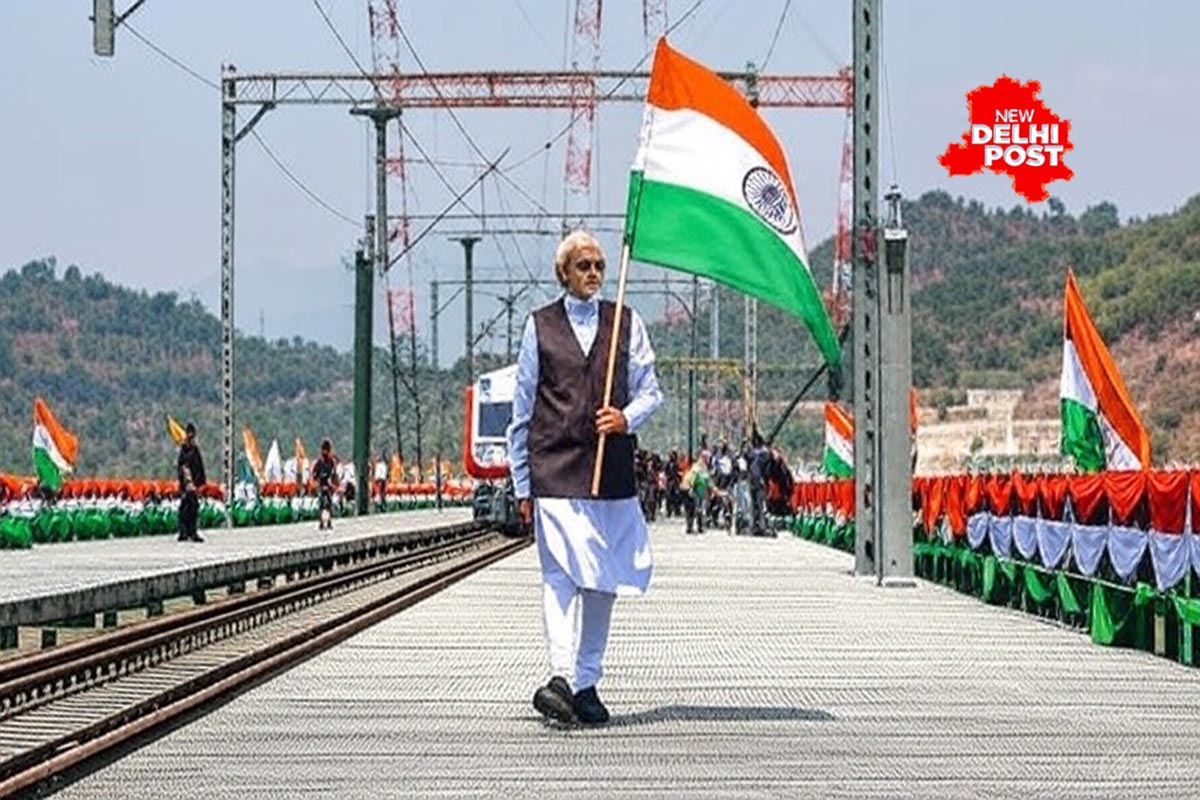
India’s highways have expanded from 91,287 km in 2014 to 1,46,204 km in 2024, with construction speed rising from 12 km/day to 34 km/day. Nearly 400,000 km of rural roads now connect 99% of villages, boosting rural economies. The railway network grew by 25,871 route kilometers, outpacing the previous decade’s 14,985 km, with India leading global locomotive production at 1,681 units in 2024-25. Indian Railways, handling 1,617 million tonnes of freight annually, now serves 30 million passengers daily, including newly connected northeastern states. The Dedicated Freight Corridor and the Chenab Bridge, recently inaugurated by Modi, signal further efficiency gains. Air travel democratized with airports rising from 74 to 160, aiming for 300 by 2047 under the UDAN scheme.
Clean Energy and Urban Progress
Solar capacity soared from 2.82 GW to 105.65 GW, with total clean energy at 228.28 GW, making India the third-largest solar and fourth-largest wind energy producer. The Smart Cities Mission, with 8,000 projects worth Rs 1.64 lakh crore, and the Delhi Metro’s expansion to 15 cities, highlight urban transformation.
Digital Revolution
Digital Public Infrastructure (DPI), led by UPI and Aadhaar, contributes 1% to GDP, projected to hit 3-4% by 2030. Adopted by over 12 countries, DPI has facilitated real-time payments and lifted 17.1 crore people out of poverty, reducing the poverty rate from 29.17% to 11.28% between 2013-14 and 2022-23.
The Road Ahead
As India nears its 2047 independence centenary, reforms like GST and regulatory simplification have strengthened its global standing. Future priorities include easing business compliance, enhancing competitiveness, and integrating into global supply chains through manufacturing and skilling, building on a foundation of economic strength and digital innovation.